
Indian History
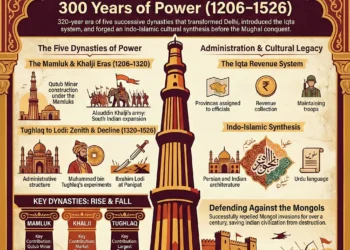
Establishment of the Delhi Sultanate: From Slave Kings to the Lodis
In 1206, a slave became a Sultan. Following the victories of Muhammad Ghori, his trusted general Qutb-ud-din Aibak founded a...
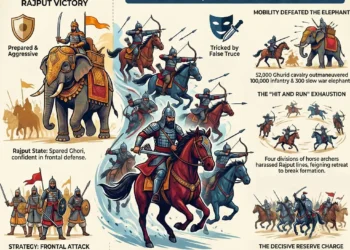
The Second Battle of Tarain 1192
In 1192, a single battle changed India's history for the next 700 years. It wasn't won by numbers, but by...
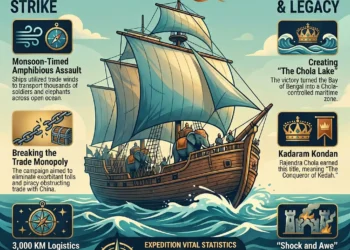
The Chola Naval Expedition: Rajendra Chola’s Strike on Srivijaya
In 1025 AD, the Bay of Bengal turned into a Chola lake. Rajendra Chola I didn't just cross the ocean;...
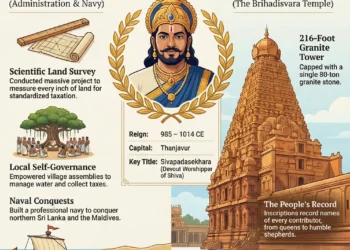
Reign of Raja Raja Chola I: The Emperor Who Built the Big Temple
He measured the earth, conquered the seas, and built a temple that cast no shadow. Discover the story of Raja...
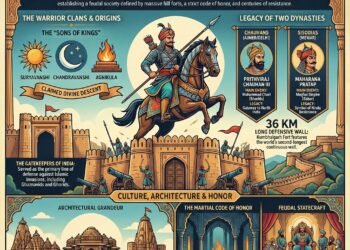
Rajput Kingdoms: Guardians of the North and Builders of Forts
They built forts on hilltops and fought to the last breath. From the legendary Prithviraj Chauhan to the defiant Ranas...
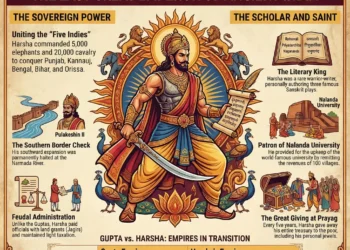
Reign of Harshavardhana: The King Who Gave Away Everything
He ascended the throne at 16 after his brother was murdered and his sister imprisoned. From the ashes of tragedy,...
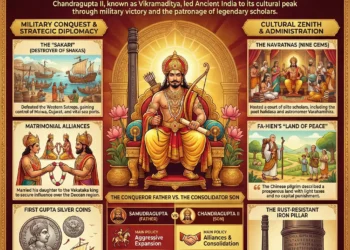
Reign of Chandragupta II: The Legendary Vikramaditya of Ujjain
He defeated the Shakas, patronized Kalidasa, and ruled an empire where travelers could sleep on the highways without fear. Discover...
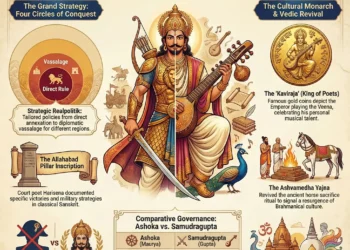
Reign of Samudragupta: The Warrior-Poet Who Unified Ancient India
He played the Veena with the soul of a poet but wielded the sword with the fury of a conqueror....
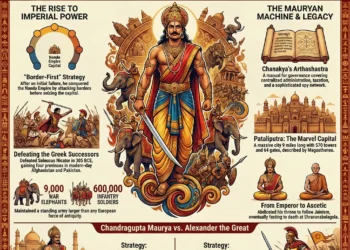
Reign of Chandragupta Maurya: When a Commoner Became First Emperor of India
He started as an ordinary boy with a royal dream and ended up defeating Alexander's general and building India's first...
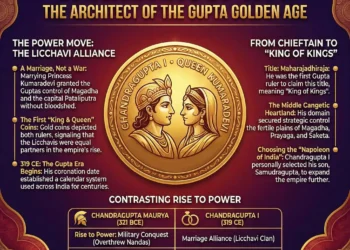
Reign of Chandragupta I: The Founder of the Gupta Golden Age
He wasn't just a king; he was the Maharajadhiraja. By marrying a Licchavi princess and establishing a new calendar, he...


Explore the soul of Bharat with Curious Indian. A definitive guide to Indian history, arts, culture, biographies, and the events that defined our future.