Reign of Samudragupta: The Warrior-Poet Who Unified Ancient India
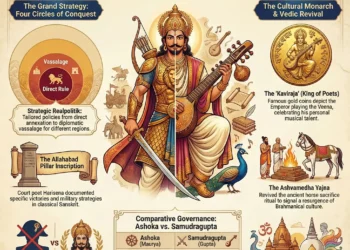
He played the Veena with the soul of a poet but wielded the sword with the fury of a conqueror....


He played the Veena with the soul of a poet but wielded the sword with the fury of a conqueror....
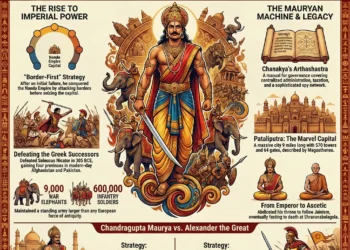
He started as an ordinary boy with a royal dream and ended up defeating Alexander's general and building India's first...
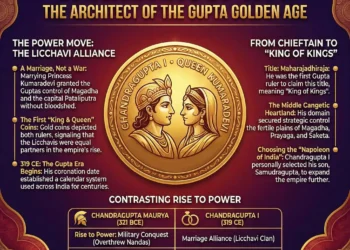
He wasn't just a king; he was the Maharajadhiraja. By marrying a Licchavi princess and establishing a new calendar, he...
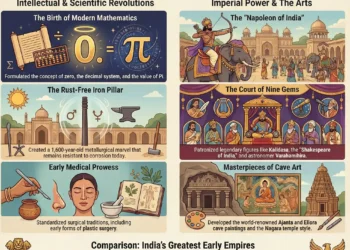
From the conquests of Samudragupta to the poetry of Kalidasa, this was an era where the sword and the pen...
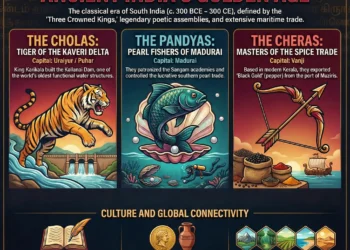
It was an era where poets were kings of words, and kings were patrons of art. From the love poems...
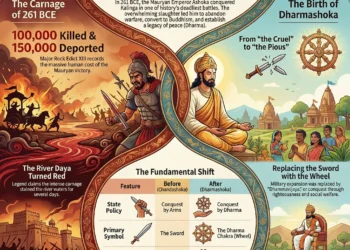
The river turned red with blood, and the wails of the dying drowned out the drums of victory. Standing amidst...
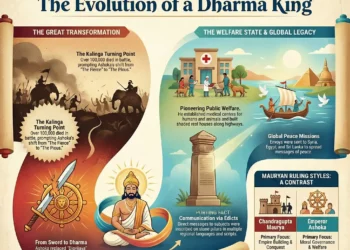
He started as "Ashoka the Cruel," a king who reportedly killed his 99 brothers to seize the throne. He ended...
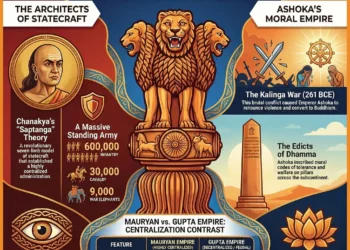
A boy trained by a vengeful Brahmin rose to destroy the Nanda dynasty and halt the successors of Alexander the...
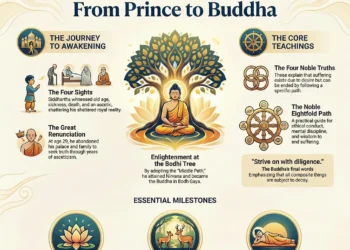
He was born a prince, destined for a life of luxury, but one look at the world’s suffering changed him...
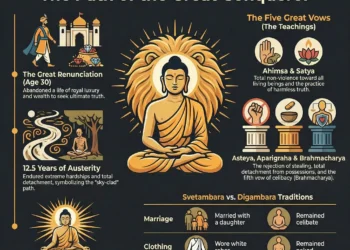
He was a prince who wore the finest silks, yet he chose to walk naked under the scorching sun. He...
Explore the soul of Bharat with Curious Indian. A definitive guide to Indian history, arts, culture, biographies, and the events that defined our future.