Inside Ashoka’s bold experiment in governing an empire by goodness rather than fear
Most kings hold their power the same way. They hold it with armies, with fear, with hard taxes and hard punishments, with the plain understanding that anyone who steps out of line will be crushed. It is how empires have almost always been run.
More than two thousand years ago, one Indian emperor decided to try something else entirely. After winning a war so bloody that it broke his heart, Ashoka set out to test a genuinely radical idea: that a vast empire might be held together not by fear at all, but by goodness. For the next twenty-five years, he actually tried it. This is the story of that great experiment, and of the honest question it still leaves us with: can you really rule by kindness?
The war that changed the plan
To understand Ashoka’s reign, you have to start with the moment it turned.
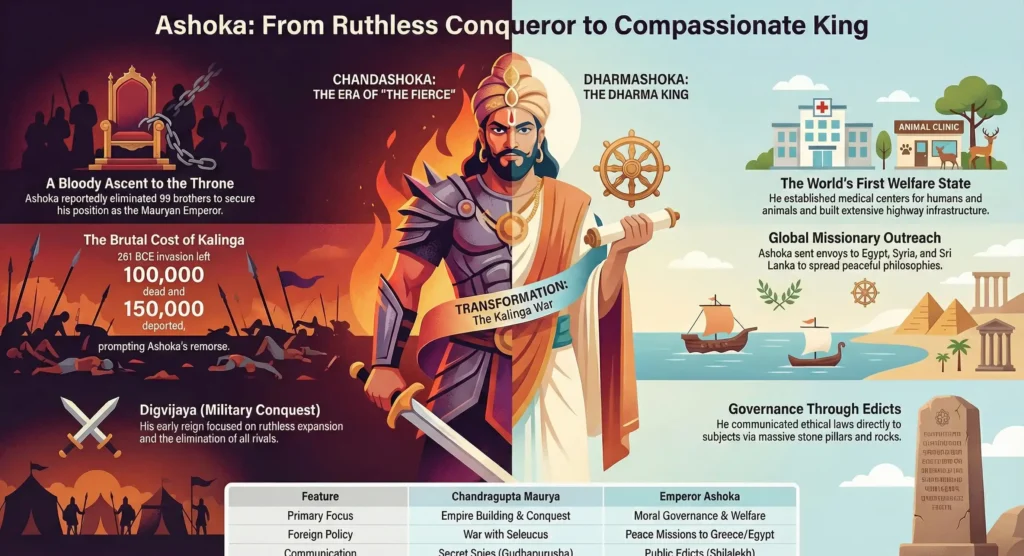
Around 261 BCE, some years into his rule, Ashoka fought a terrible war to conquer the last independent kingdom that stood outside his empire, a land called Kalinga. He won it. But the sheer slaughter of that victory, by his own account, more than a hundred thousand dead, filled him not with triumph but with a deep and lasting horror. And so this mighty conqueror made a choice almost no victorious king has ever made. He decided he would never wage such a war again. The question was: if not by conquest and fear, then how would he rule?
His answer, worked out over the rest of his reign, was a single idea he called Dhamma.
Kalinga War c. 261 BCE: The Battle That Changed Ashoka Forever
Goodness as government
Dhamma is a word that means something like “righteousness,” or simply “the good way to live.” And Ashoka’s bold idea was to make it the very heart of his government.
He was a Buddhist himself, but his Dhamma was not a religion that he forced upon anyone. It was, instead, a simple public code of decency that he asked of everyone, whatever their faith: be truthful and kind, respect your parents and your elders, be gentle to your servants and to animals, give to those in need, do no harm, and make room for people who believe differently from you. Ashoka set out to rule an empire by trying, patiently, to make its people good, and by promising to be good to them in return.
A conscience carved in stone
But how do you tell millions of people, scattered across an enormous empire, about a brand-new way of doing things? Ashoka came up with an answer no ruler had ever tried before.
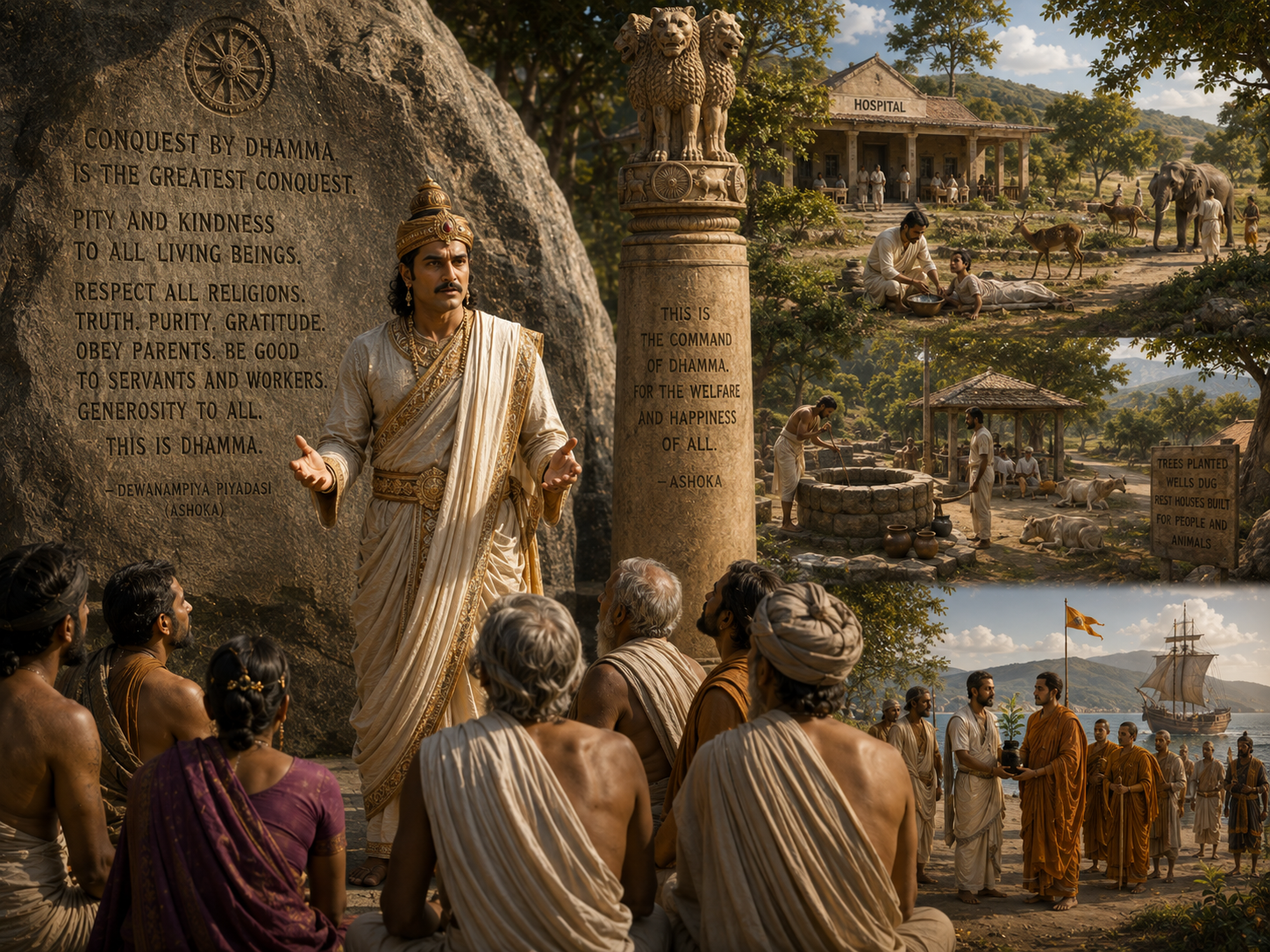
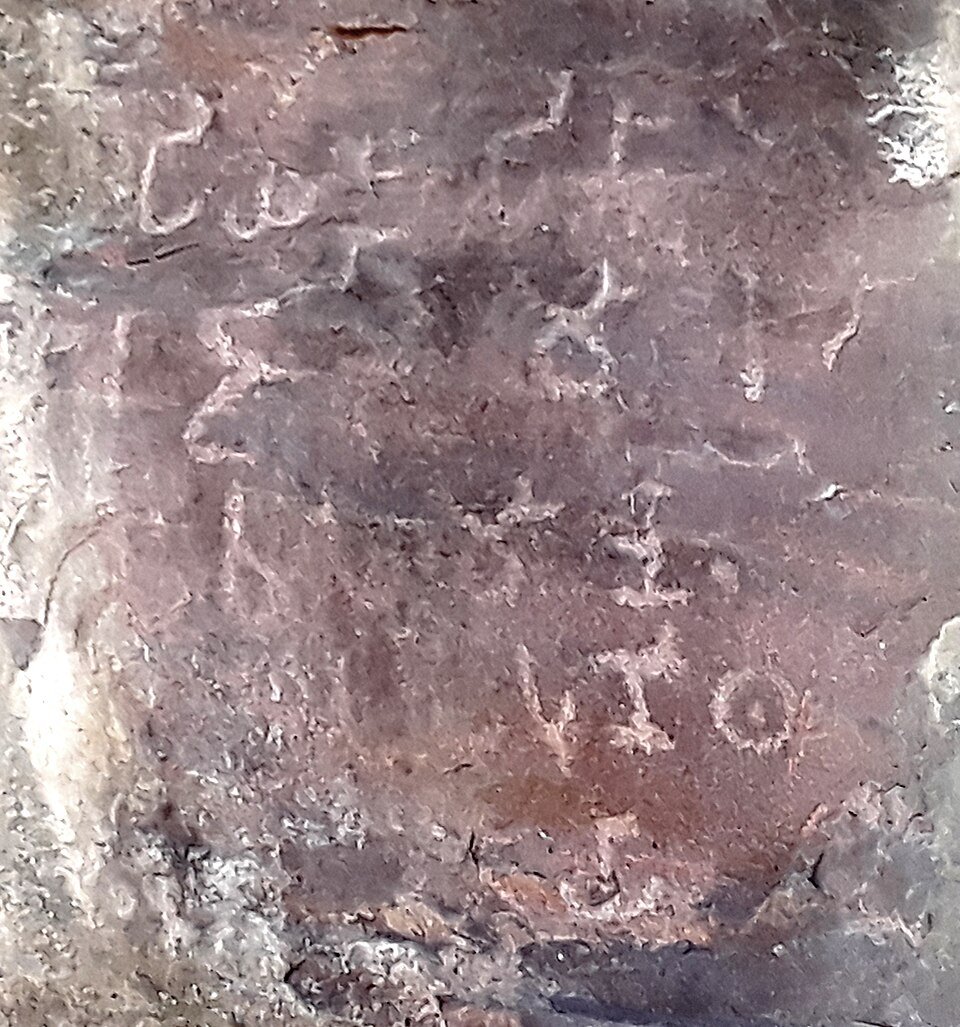
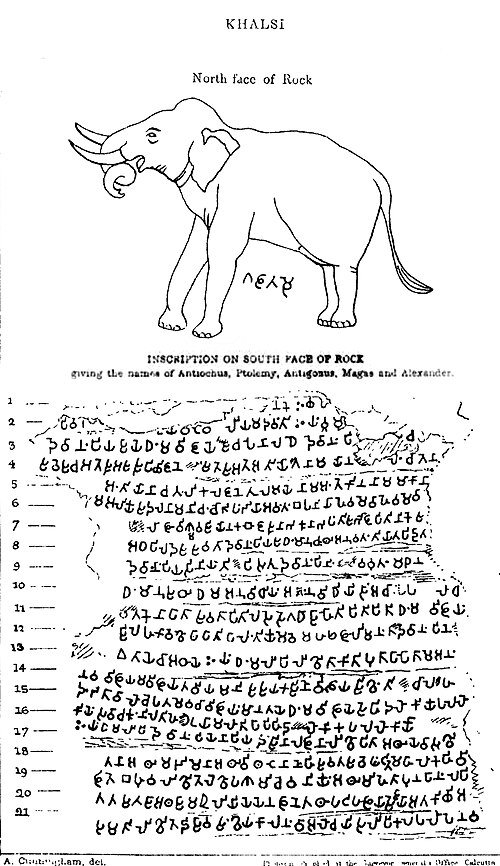
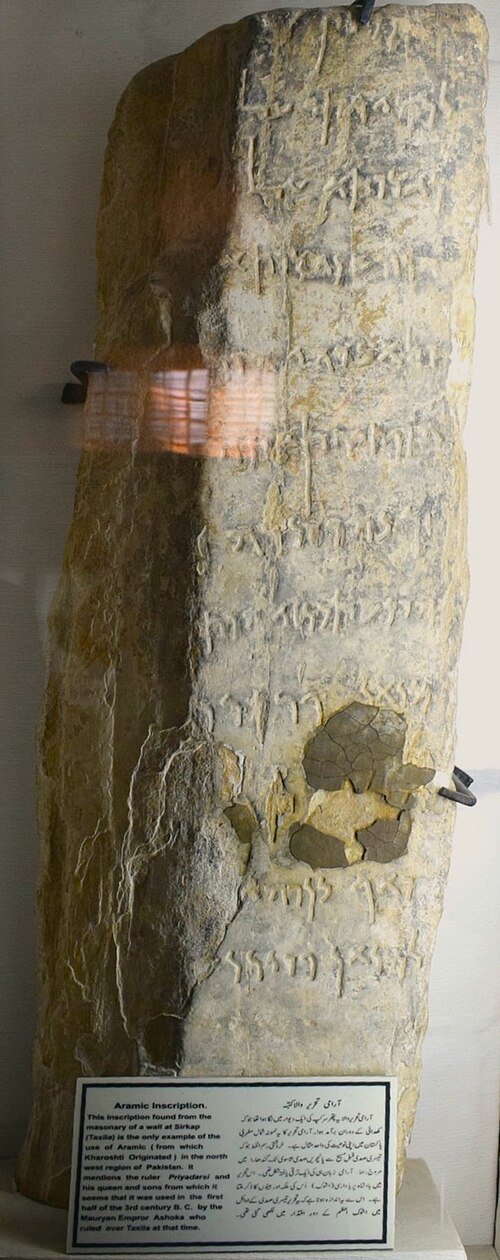
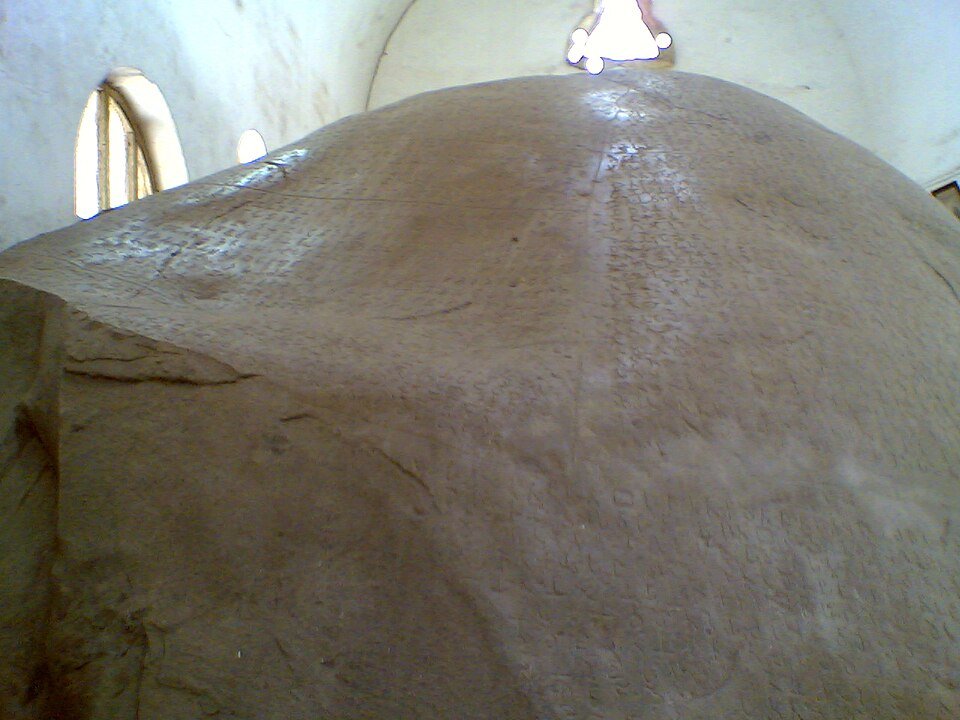
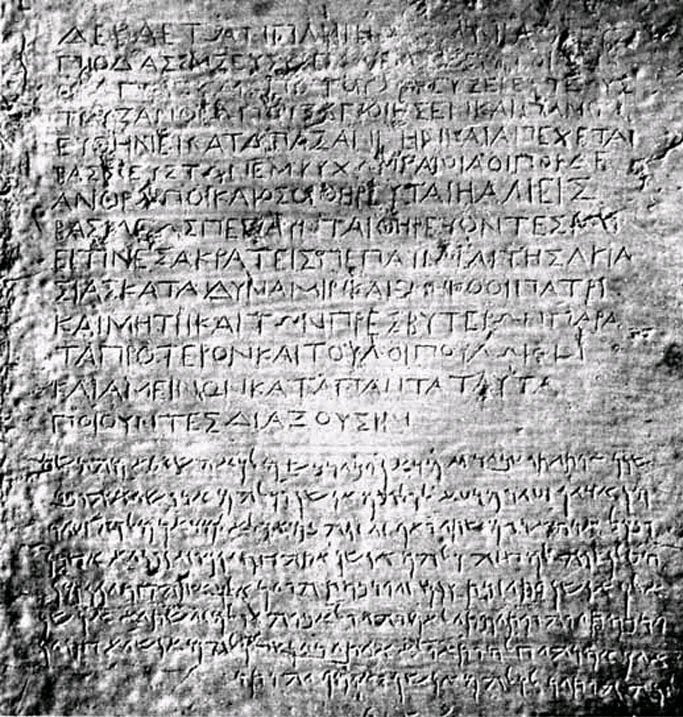
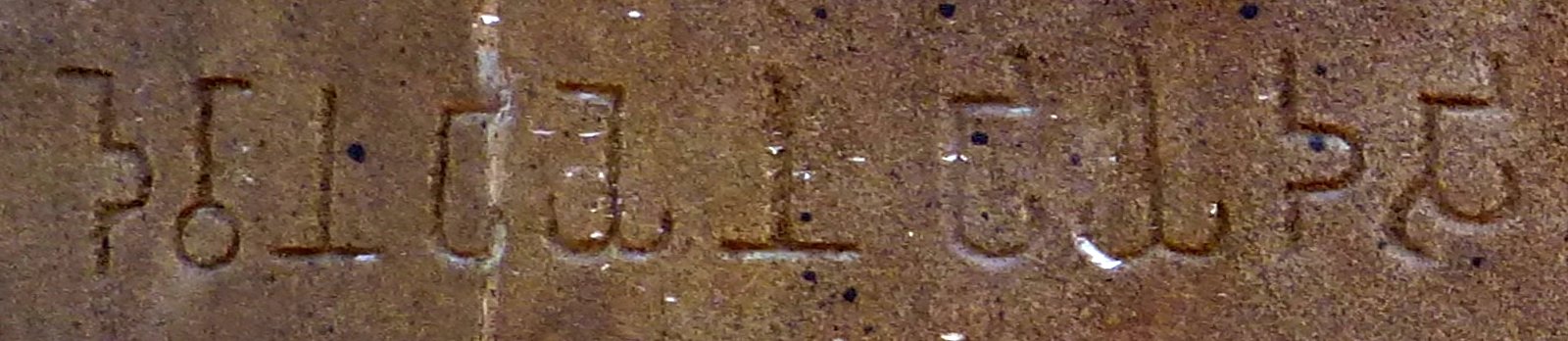
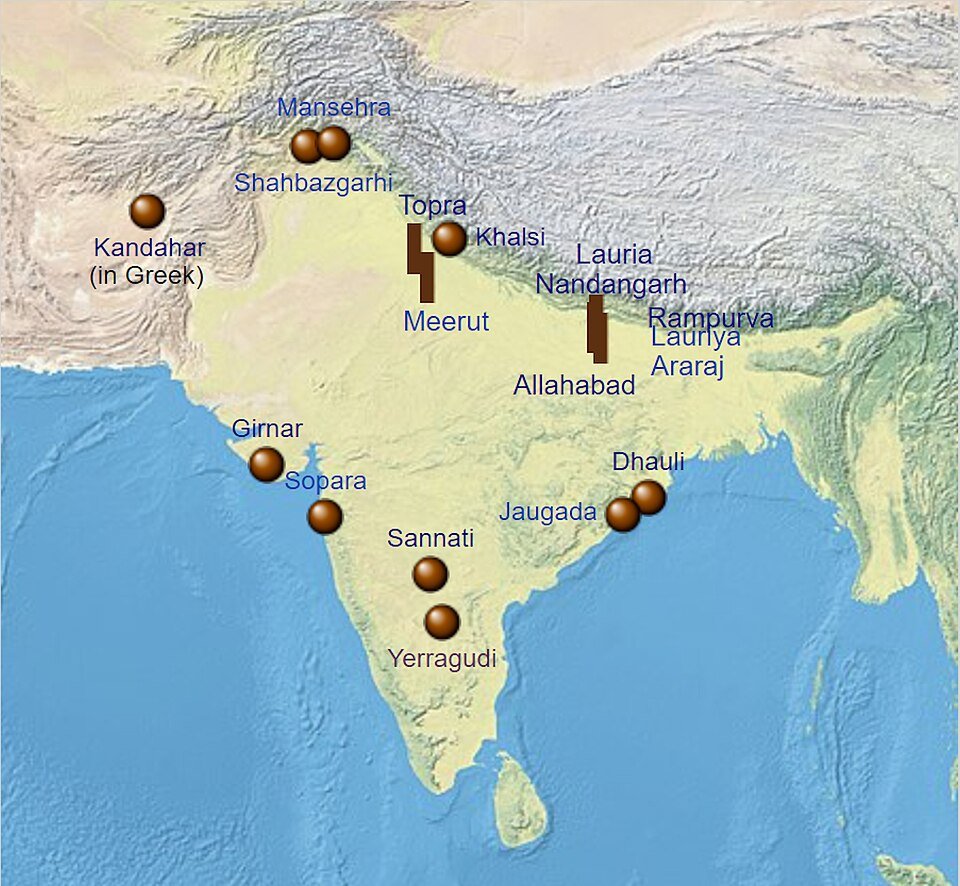
He had his ideas and his promises carved onto great rocks and tall stone pillars, set up all across his lands, and he had them written in the everyday languages that ordinary people actually spoke, so that they could be read aloud in any marketplace.
No ruler before him had ever used the stones of his empire to speak, in plain language, directly to his ordinary people. Ashoka wrote to them not as a distant king, but as a father writing to his children.
On these stones he confessed his sorrow over Kalinga, explained his Dhamma, and announced the good things he was doing for his people. It was, in a way, the first time a ruler had ever opened his own conscience to the whole of his kingdom.
Reign of Chandragupta Maurya 321-297 BCE: The First Empire of India
The officers of goodness
Ashoka did not stop at fine words on stone, though. He built goodness right into the machinery of his state.
He created a whole new class of royal officials, whose entire job was to go out among the people and do good. They were to spread the message of Dhamma, yes, but also to see that justice was fairly done, to look after prisoners, to care for the old and the poor and the sick, and to make sure that people of every group and every faith were being treated well. It was, in effect, a branch of government devoted not to war or to taxes, but simply to the welfare of the people.
The kindest kingdom
And that welfare was very real, and very practical. Ashoka poured the resources of his great empire into the wellbeing of those who lived in it.
He had hospitals built, and, remarkably for his age, not only for people but for animals too. He had shade trees planted and wells dug along the roads for weary travellers, and rest-houses raised for them to sleep in. He had healing herbs planted wherever they were needed. He cut back the killing of animals, even in his own royal kitchen. And he preached, again and again, that his people should respect every religion and never insult another person’s faith, in an age when that was a rare and precious thing to say. Some have called his empire the closest the ancient world ever came to a caring state.
Messengers, not armies
Having given up sending out armies, Ashoka sent out something else instead: messengers of peace.
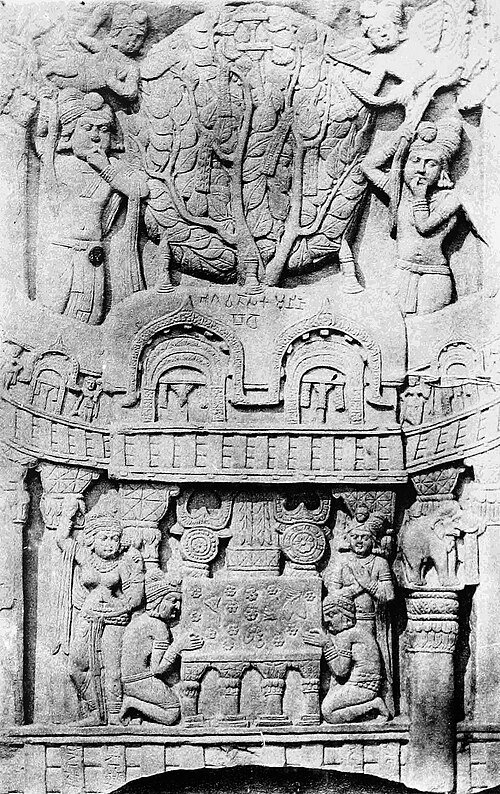
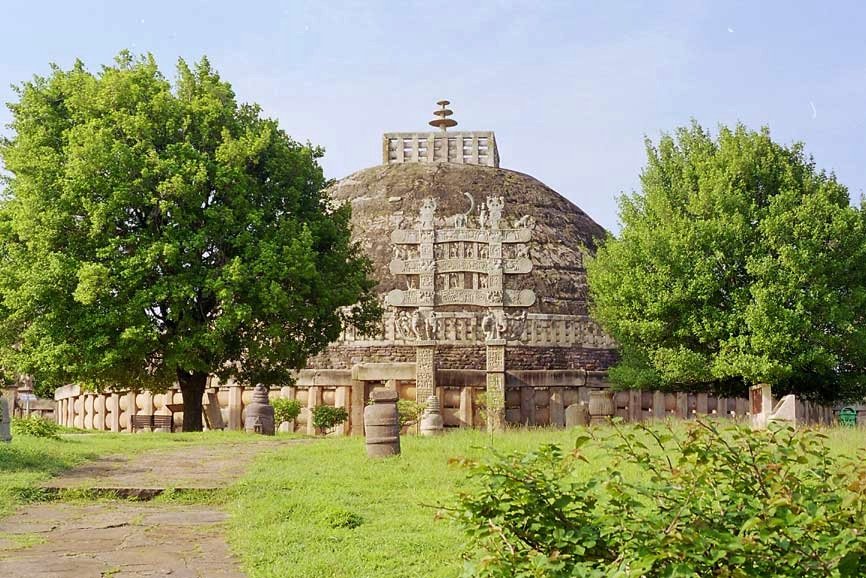
He dispatched teachers and missionaries far beyond his own borders, carrying the gentle teachings of the Buddha across Asia and even to the Greek kingdoms of the west. Most famously of all, he sent his own son across the sea to the island of Sri Lanka. And because of this one emperor’s efforts, a faith that had been a small movement in one corner of India began its long journey toward becoming one of the great religions of the world. It may well be the most far-reaching thing he ever did.
Reign of Akbar 1556-1605: The Golden Age of the Mughal Empire
Did it work?
So here is the honest and difficult question that Ashoka’s reign leaves behind, and it is one that historians still argue over to this day. Did ruling by kindness actually work?
In one sense, it clearly did. For decades, Ashoka gave a huge, diverse, and complicated empire something rare: peace, prosperity, and a government that genuinely tried to care for its people. That is no small thing, and few rulers before or since have managed it.
But there is another side. Within about fifty years of Ashoka’s death, his mighty empire had cracked apart and fallen. Some have wondered whether a state built so heavily on gentleness had lost some of the hard strength it needed to survive in a hard world. Others say the collapse had many other causes, weak successors, an empire simply too big to hold, and had little to do with his kindness at all. The truth is, we do not fully know. It is worth remembering, too, that Ashoka never actually gave his empire away or disbanded his armies. He remained a powerful emperor to the end. What he changed was not his power, but the purpose he chose to use it for.
The experiment we remember
Whatever the final verdict, the experiment itself was extraordinary. Here was one of the most powerful men in the ancient world, who could have done anything at all with that power, and who chose to spend it trying to make his people’s lives better and gentler, and to be remembered as a father rather than feared as a master.
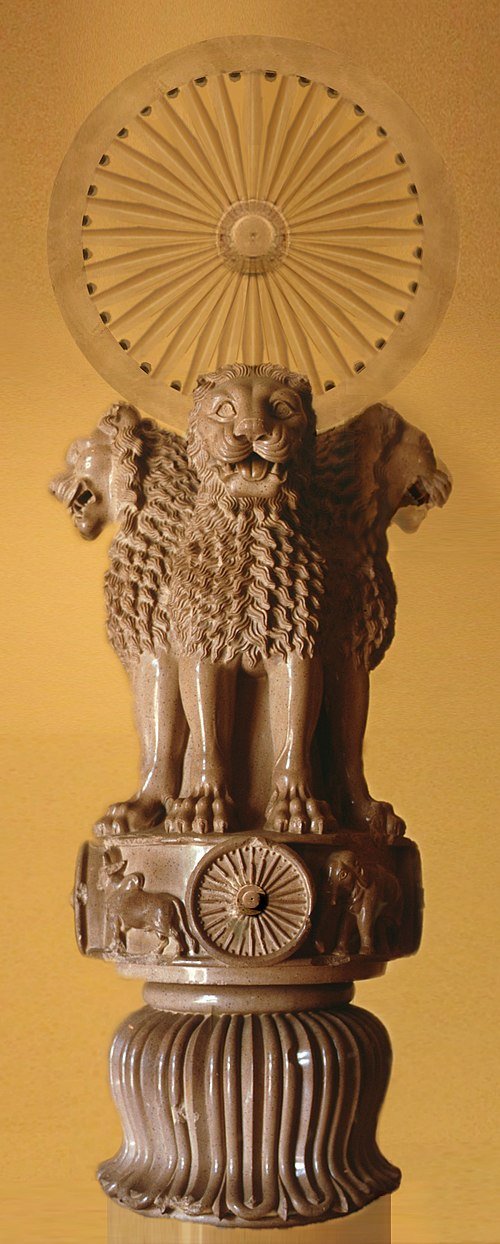
His empire is long gone. But the world did not forget what he tried to do. More than two thousand years later, when India became a free nation, it chose, out of all its kings and heroes, to make Ashoka’s own symbols its national emblem, so that the memory of the emperor who tried to rule by kindness now sits at the very heart of the country he once ruled. Perhaps that is the truest measure of his reign. Not whether the empire lasted, but that, so long afterward, people still wished to be reminded of a king who believed that power was for goodness, and not the other way around.
Reign of Samudragupta 335-375 CE: The Napoleon of India

If you think you have remembered everything about this topic take this QUIZ
Results


#1. Which catastrophic event in 261 BCE served as the ultimate turning point in Ashoka’s life, leading him to abandon military conquest?
#2. What was the name of the ethical code of conduct Ashoka promoted to ensure social harmony and religious tolerance?
#3. Ashoka is often credited with creating one of the world’s first ‘welfare states’. Which of these was a specific administrative measure he introduced?
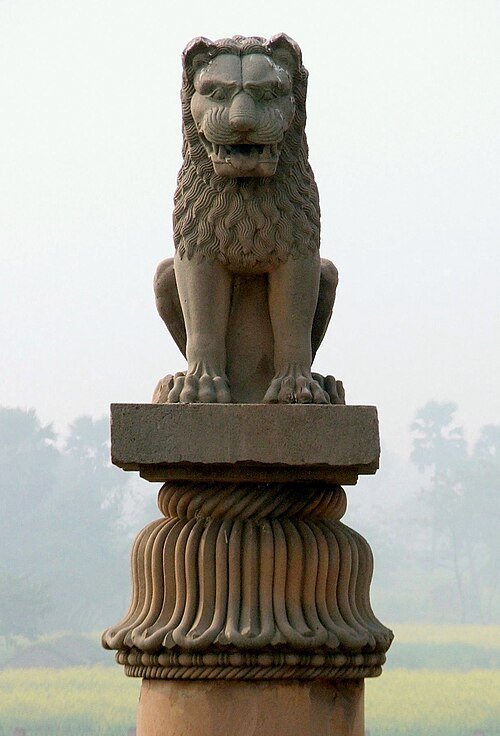
#4. To communicate his messages of peace, Ashoka used polished sandstone pillars. Which of these is now the National Emblem of India?
#5. Ashoka’s edicts were written in several languages to ensure all his subjects understood him. Which language did he use for his edicts in Afghanistan?
#6. Who was the British scholar who, in 1837, deciphered the Brahmi script and rediscovered Ashoka’s historical identity?
#7. Ashoka sent his son Mahinda and daughter Sanghamitta to which island nation to spread Buddhism?
#8. According to the ‘Quick Comparison’ table, who was Ashoka’s primary mentor in his Buddhist journey, contrasting with his grandfather’s mentor Chanakya?
Which war changed Ashoka’s life?
The Kalinga War (261 BCE) changed his life, leading him to embrace non-violence.
What does “Devanam-piya Piyadasi” mean?
It means “Beloved of the Gods, He who looks with affection.” It was the title Ashoka used in his inscriptions.
Did Ashoka ban the death penalty?
No, he did not ban it completely, but he advocated for restraint and gave prisoners a grace period to appeal.
Where is the Ashoka Chakra on the Indian flag taken from?
It is taken from the abacus of the Lion Capital of Ashoka at Sarnath.
Who deciphered Ashoka’s edicts?
James Prinsep deciphered the Brahmi script of the edicts in 1837.
Sources and references
- Britannica and the World History Encyclopedia (“Ashoka”) — his reign (c. 268–232 BCE) at the height of the Maurya Empire, the Kalinga War and his subsequent adoption of Dhamma, and his reorientation of rule around compassion, tolerance and welfare.
- Standard accounts of the Ashokan edicts — the rock and pillar edicts written in the vernacular (Prakrit in Brahmi, plus Greek and Aramaic in the northwest) so ordinary people could understand them, Edict XIII’s expression of remorse over Kalinga, and Edict XII’s plea for respect among all religious sects.
- Histories of Mauryan administration — the appointment of the Dhamma Mahamattas (officers of righteousness) to oversee welfare and justice, the medical care for humans and animals, and the planting of trees, digging of wells and building of rest-houses.
- Accounts of Buddhism’s spread — Ashoka’s missionaries sent across Asia and to the Hellenistic world, his son Mahinda’s mission to Sri Lanka, and the Third Buddhist Council, turning Buddhism into a world religion.
- Curious Indian’s own overview (“Reign of Emperor Ashoka”) and general histories — the debate over whether Ashoka’s pacifism contributed to the empire’s decline within fifty years of his death, and the adoption of his Lion Capital as independent India’s national emblem.
Author


Exploring the Soul of Bharat through History, Science, Culture, and its Diversity
Our Mission
Curious Indian is a definitive knowledge portal dedicated to chronicling the events, personalities, and cultural shifts that defined the Indian subcontinent. From the ancient Vedic Period to the complexities of 21st-century politics, our goal is to provide deep-dive analysis that inspires.
Editorial Standards & E-E-A-T
Every article published under our brand undergoes a rigorous fact-checking process. We prioritize primary historical records, academic citations, and credible archives to ensure our readers receive accurate, high-authority information.
Historical Integrity Directly sourcing from ASI archives and academic journals.Topical Authority Comprehensive clustering of Indian Science, Biographies, and Wars.Managed by Paripurna Datta and TEAM | Dedicated to the Knowledge of India.