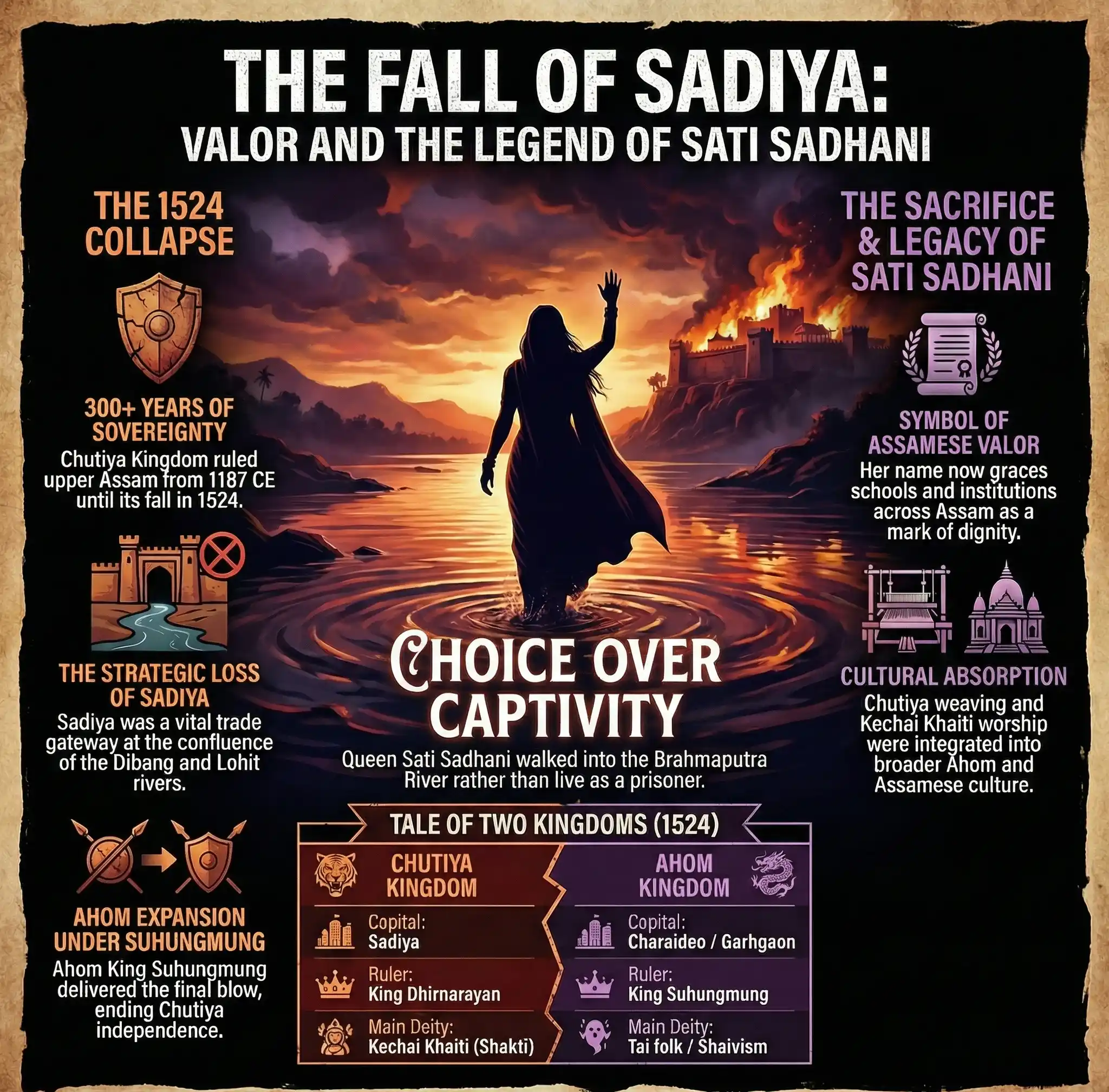
Sadiya, April 1524: in the week of the spring festival, the Chutiya kingdom’s last defenders heard the festival drums beating on the hills and came down to meet what they thought was help
In the Brahmaputra valley, spring comes with drums. In mid-April, when the new year begins, the dhol is beaten in every village, and people dance, feast and sing for days. The Chutiyas of Sadiya called the festival Bisu.
In April 1524, the Chutiya kingdom’s last defenders heard those drums beating on the hills near their stronghold. They believed it meant their allies had come. They came down to meet them.
It was not their allies.
They heard the festival drums on the hills and believed help had come. It had not.
Sadiya
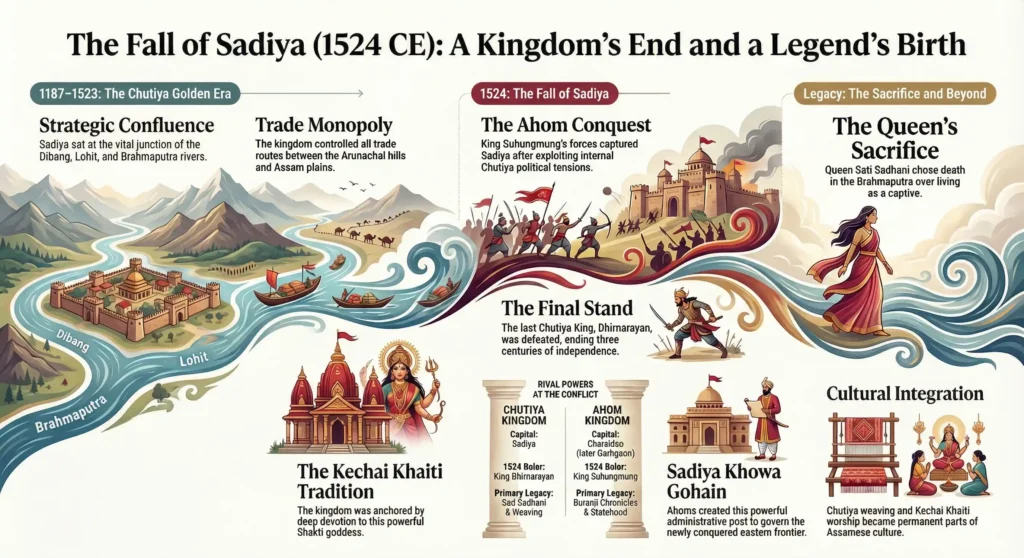
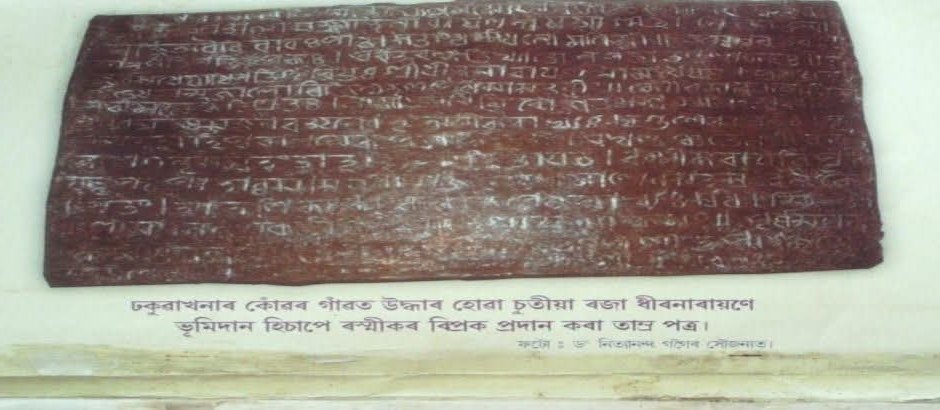
For generations the Chutiya kings had ruled the far north-eastern corner of the Brahmaputra valley, where the river comes down out of the hills. Their capital was at Sadiya. They issued land grants on copper plates, built forts on the hills, and kept as their royal insignia a sword, a shield, and a cat made of gold.
Downstream, the Ahom kingdom was growing. Its king, Suhungmung, the Dihingia Raja, was one of the most ambitious rulers the Ahoms ever had. In 1512 he took Habung, a Chutiya dependency. The Chutiyas struck back and failed, struck again in 1520 and took Ahom territory, and in 1522 the Ahoms drove them out and built a fort at the mouth of the Dibru river, pointing straight at Sadiya. In 1523 the Chutiya king attacked that fort, and was beaten.
The Koch Ascendancy: How a New Kingdom Changed Assam Forever
10 Lessons from the Battle of Walong 1962 Mystery
The terms
According to later Chutiya tradition, the kingdom was also weak from within. The old king Dhirnarayan, the story goes, had given his throne to his daughter Sadhani’s husband, Nityapal, a young man of little experience, who pushed aside the old ministers and filled the court with his own friends. Some of those old ministers would change sides before the end. The Ahom chronicles themselves do not name Nityapal, and historians are wary of the later manuscripts that do. But the story of a divided court is part of how the fall is remembered.
There were peace talks. By the traditional account, the Ahom terms were hard: the royal heirloom, the chief queen, and elephants. The Chutiya king offered elephants and a princess. He would not give up his queen, and he would not give up the golden cat.
The talks failed.
He would not give up his queen, and he would not give up the golden cat.
April 1524
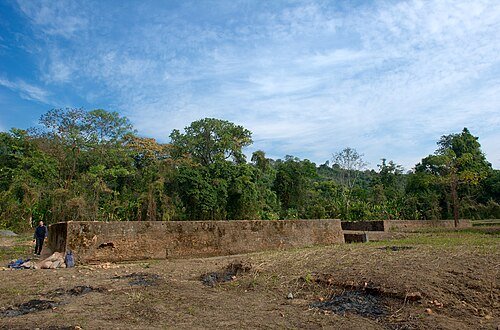
The Ahom attack on Sadiya came, as tradition has it, in the Bisu week of April 1524. The capital could not hold. The king withdrew to the hill fort of Chandangiri, and his minister Kasitora to the fort of Doithang. Suhungmung sent his generals Phrasenmung Borgohain and Kinglun Burhagohain after the king.
The Chutiyas on the hill were hard to reach. And here, the story says, one of the old ministers who had gone over to the Ahoms had an idea. It was Bisu. So the Ahoms made captives climb up the creepers on the hillside and beat the festival drums.
On the hilltop, the defenders heard the dhol. It was the Bisu season, and they took the drumming as a sign that help had arrived and the enemy had been driven off. They came down into the lower hills.
A former Chutiya commander who had also changed sides showed the Ahoms the way to the king. The king was killed by an arrow. The Ahom chronicles record simply that the king and his son were killed.
Razia Sultan: The Woman Who Ruled Delhi as a Sultan
Sadhani
What happened to the queen is where history ends and memory takes over.
The Ahom chronicles mention a chief queen of the Chutiyas, whom they call Nang Lung. Chutiya tradition knows her as Sadhani. In that tradition, after the king’s death the victors proposed that she marry the new Ahom governor of Sadiya. She refused. She climbed to the top of the hill at Chandangiri and threw herself from it.
Whether every part of it happened as told cannot now be proven. But for the Chutiya people, she has become the kingdom’s last defender, the one who would not be handed over, and every April, in the same season as the drums, they keep Sati Sadhani Divas in her memory.
After
The Ahoms took the royal insignia, the golden cat among them. The royal family was scattered and the old nobility broken up. Sadiya was placed under a new Ahom officer, the Sadiyakhowa Gohain. Chutiya families were moved to other parts of the kingdom, and for some years there were still ambushes and revolts.
The kingdom ended in 1524. The people did not. The Chutiyas are still in Assam, and so is the festival. Every spring the dhol is beaten across the valley for Bihu, as it was then. In Sadiya, for one community, it carries an older echo: of the week the drums on the hill called their defenders down.
Kamarupa Kingdom: Assam’s Golden Age and the Silk Route
Sukaphaa’s Crossing: How the Ahom Kingdom Was Born in Assam
If you think you have remembered everything about this topic take this QUIZ
Results


#1. In which year did the Chutiya Kingdom officially collapse following the fall of Sadiya?
#2. Who was the Ahom King responsible for the final campaign against the Chutiya Kingdom?
#3. At the confluence of which rivers was the Chutiya capital, Sadiya, strategically located?
#4. Who was the last Chutiya king defeated during the Ahom expansion?
#5. What was the name of the Chutiya queen who famously entered the Brahmaputra river to avoid captivity?
#6. Which specific administrative post did the Ahoms create to govern the eastern frontier after capturing Sadiya?
#7. Which local deity was central to the religious life and Shakti worship of the Chutiya people?
#8. Which cultural tradition of the Chutiya people survived the fall of their kingdom and influenced wider Assamese heritage?
Who was Sati Sadhani and why is she important?
Sati Sadhani was a queen or senior royal woman of the Chutiya Kingdom who chose to sacrifice her life in the Brahmaputra river rather than live as a captive when Sadiya fell to the Ahom in 1524 CE. She is revered across Assam as a symbol of courage, dignity, and the refusal to accept defeat on someone else’s terms.
What was the Chutiya Kingdom and where was it located?
The Chutiya Kingdom was an ancient state of upper Assam, founded around 1187 CE. Its capital was Sadiya, located at the confluence of the Dibang, Lohit, and Brahmaputra rivers. At its peak, the kingdom controlled vast territories stretching into what is now Arunachal Pradesh.
Why did the Ahom Kingdom want to conquer the Chutiya Kingdom?
The Chutiya Kingdom controlled the eastern trade routes of upper Assam, the river junctions near Sadiya, and the approaches to the Arunachal hills. These were strategically and economically vital. As the Ahom expanded eastward along the Brahmaputra Valley, absorbing Chutiya territory became a central part of their plan to control all of Assam.
Who was the Ahom king who defeated the Chutiya Kingdom?
The Ahom king Suhungmung, also known as Dihingia Raja, led the campaign that finally defeated the Chutiya Kingdom in 1524 CE. He ruled the Ahom Kingdom from 1497 to 1539 CE and is remembered as one of the most effective rulers in the kingdom’s long history.
What happened to the Chutiya people after the fall of their kingdom?
The Chutiya people were gradually absorbed into the Ahom social and administrative system. Their cultural traditions, goddess worship, and weaving skills survived and became part of the broader Assamese cultural heritage. The Chutiya are recognised as a Scheduled Tribe in Assam today and continue to maintain their distinct community identity.
Sources & References
S. L. Baruah, A Comprehensive History of Assam — the Ahom–Chutiya conflict, the fall of Sadiya and the political aftermath, read alongside the Buranji tradition.
The Sentinel, “Sati Sadhani the Charismatic and Legendary Queen of the Chutia Dynasty” (25 November 2023) — the traditional account of the drum stratagem, the defecting commanders and Sadhani’s death.
The Sentinel, “The Legend of Sati Sadhani” (21 April 2025) — the traditional terms of the failed peace talks and the proposal to the queen.
S. L. Baruah, A Comprehensive History of Assam (Munshiram Manoharlal, 1986) — the sequence of the Ahom–Chutiya wars.