Thirty-six thumbprints in Calcutta
On 10 September 1834, thirty-six people stood in the Calcutta Police Head Office while the city’s Chief Magistrate, C. McFarlan, had a contract explained to them through an interpreter. The document was written in Bengali. Nobody signed it with a pen. Each of them pressed a thumb to the paper, and an X was marked beside each name on a separate list.
The terms were short. Five years of work on a sugar estate in Mauritius, an island more than six weeks away by sail. Five rupees a month for a man, four for a woman, ten for the sirdar, the headman who would supervise the rest. Food, clothing, lodging and medical care. Six months’ wages in advance, and one rupee held back every month to pay for the passage home.
These details come from research in the Mauritius National Archives, reported in the Port Louis newspaper Le Mauricien. The same records describe the group as thirty men and six women, Dhangars from the hills of Bihar who were then living and working in Calcutta. The paperwork called them "Hill Coolies". Their sirdar is recorded as Sooroop. Their employer was
George Charles Arbuthnot of Hunter-Arbuthnot and Company, a British trading firm that owned a sugar estate on the island.
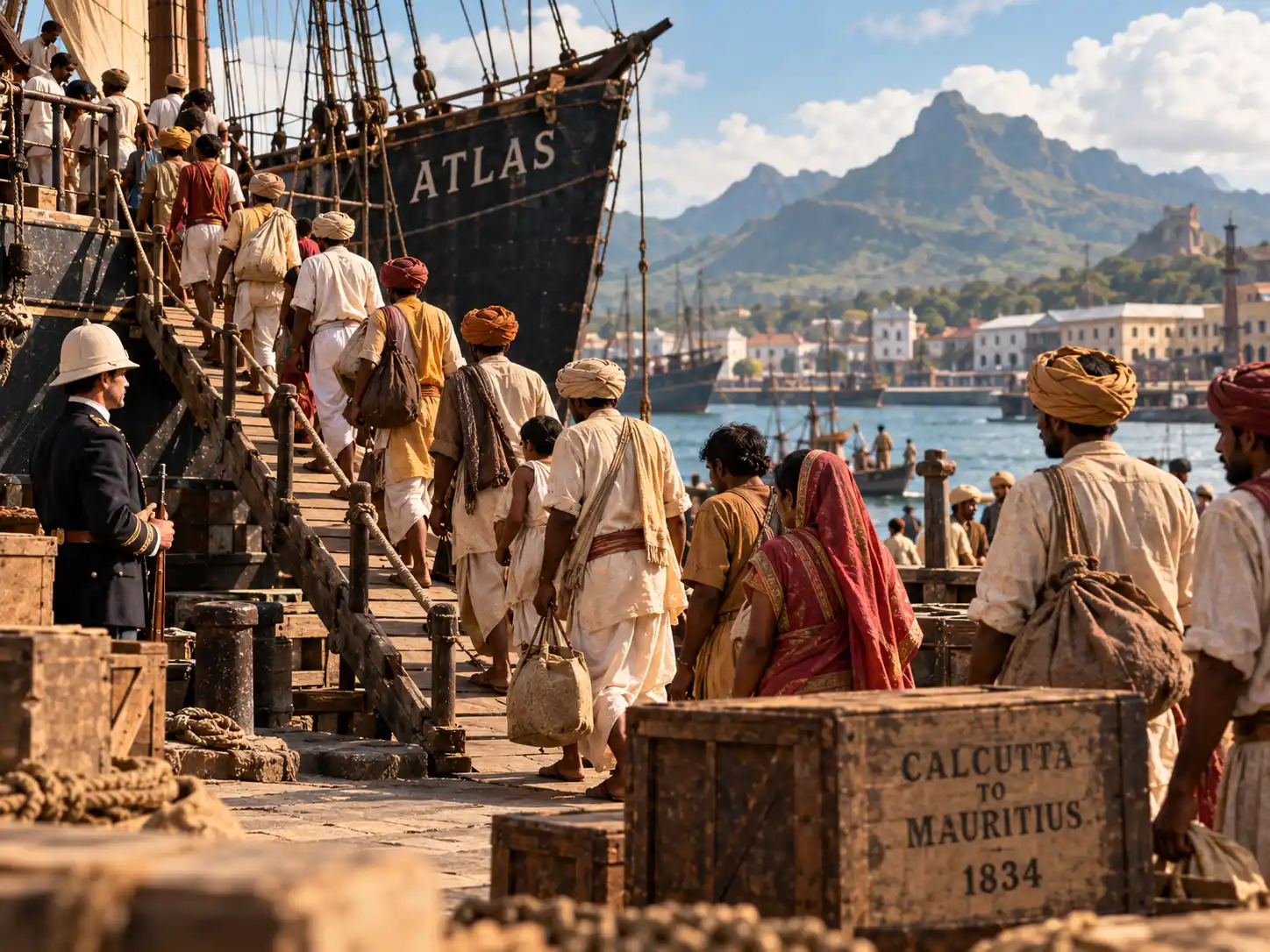
Five days later they boarded a ship called the Atlas, along with Arbuthnot himself, a few paying passengers and a large cargo of rice.
Why Mauritius wanted them
Indians were not new to Mauritius. The French, who held the island before the British took it in 1810, had brought Indian workers to build Port Louis from the 1730s, and Indian freemen and merchants had settled around the harbour long before 1834. What began with the Atlas was something else: a system.
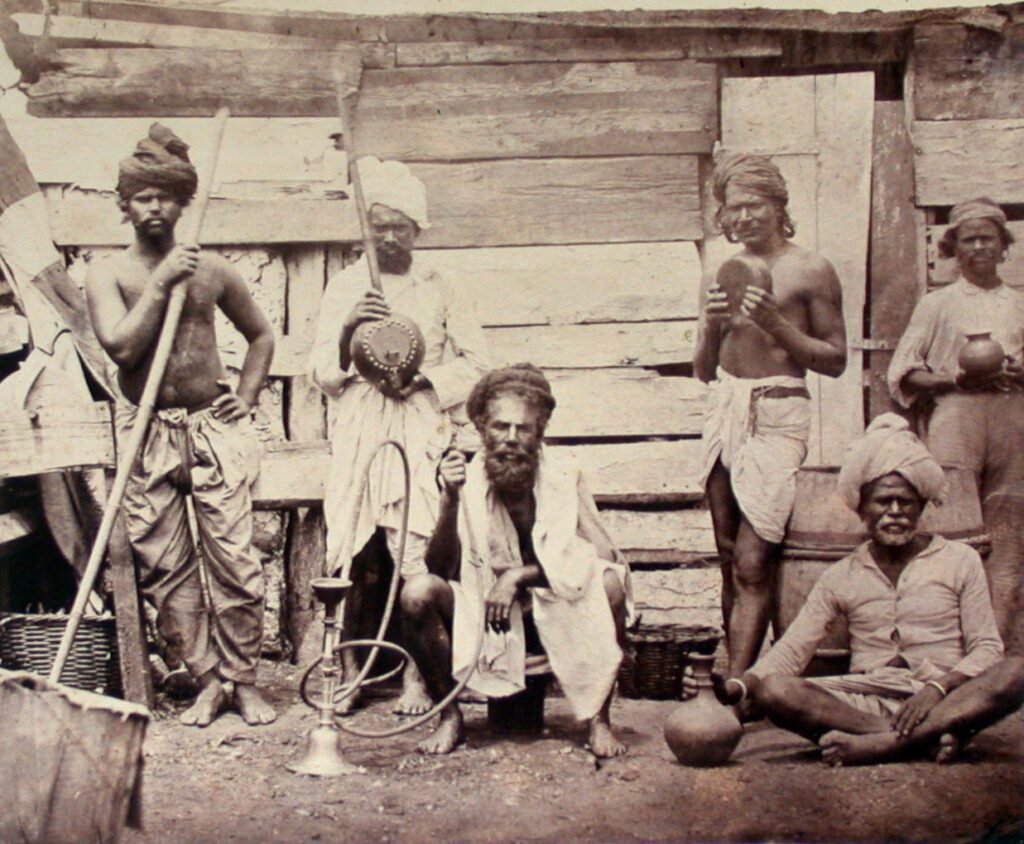
Britain’s law abolishing slavery in its colonies took effect in 1834. In Mauritius, where sugar had become the whole economy, planters knew what was coming. The formerly enslaved were to serve a few more years as "apprentices", and the planters expected most of them to leave the cane fields the moment they legally could. The historian Richard B. Allen has shown that estate owners looked to China, Singapore, Ethiopia and Madagascar for replacements before they settled on India.
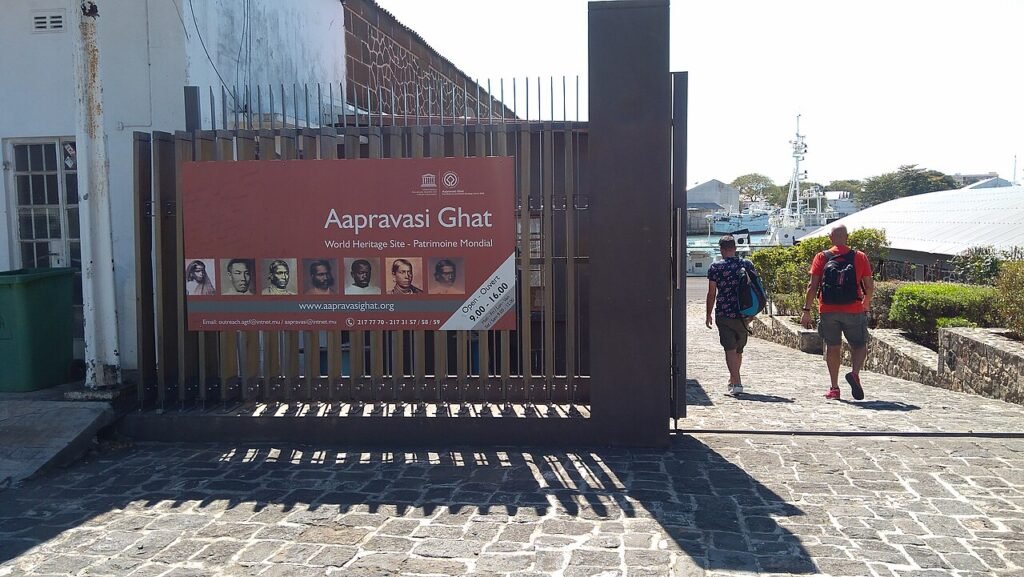
London gave the plan a grand name. UNESCO’s account of Aapravasi Ghat, the surviving immigration depot in Port Louis, records that the British government chose Mauritius in 1834 as the first site for what it called "the great experiment": the use of "free" labour to replace slaves.
Six weeks at sea, two days in harbour
The Atlas sailed into Port Louis on the afternoon of Sunday, 2 November 1834. The labourers did not go ashore. The next day Arbuthnot wrote to the governor, Sir William Nicolay, asking that they be landed "under guarantee that they shall not become a charge on the Colony". A sum of money was lodged with the colonial treasury as security. Permission came that afternoon.
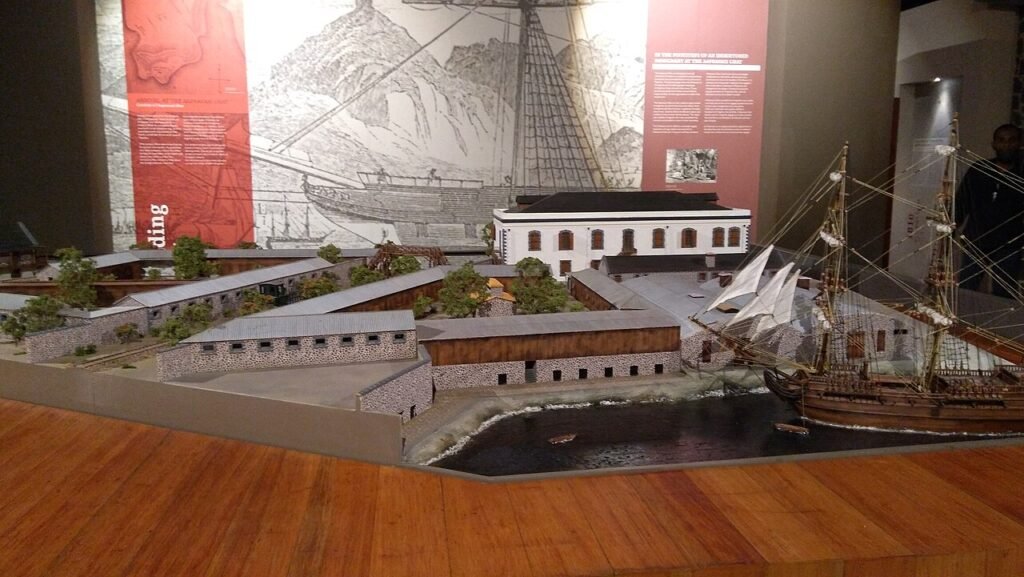
On the morning of Tuesday, 4 November, the thirty-six stepped onto the quay near the old Customs House and were taken the same day to the Antoinette estate, also known as Belle Alliance, near Piton in the north of the island. It covered 502 acres and was worked by close to 200 enslaved people. The newcomers were put to work from sunrise to sunset, six days a week, in the same fields.
What "free" meant
Indenture, in plain terms, was a contract that tied a worker to one employer for a fixed number of years in exchange for wages, rations, a roof and a passage. On paper, both sides agreed to it. That is why officials could call it free labour.
The paper hid a great deal. The contract was explained once, in a police office, to people who could not read it. The employer owned the ship, the estate, the housing and the food. The worker was an ocean away from anyone who knew him. And if he walked off the job, that was a crime. An unhappy clerk in London could resign. An indentured labourer who left his estate could be arrested.
The early years went badly enough to alarm the government in India. More than 25,000 people were shipped to Mauritius in the first four years, largely through private recruiters, and some early voyages lost more than 17 per cent of their passengers to cholera, dysentery
and overcrowding, according to the historian David Northrup. Reports of deception and abuse piled up. A committee of inquiry was appointed in 1838, and by 1839 the export of labourers had been banned.
The ban did not last. In December 1842 emigration to Mauritius was reopened from Calcutta, Madras and Bombay, this time with government emigration agents at the ports, a Protector of Immigrants on the island, and a right to a return passage after five years.
The fourteen steps
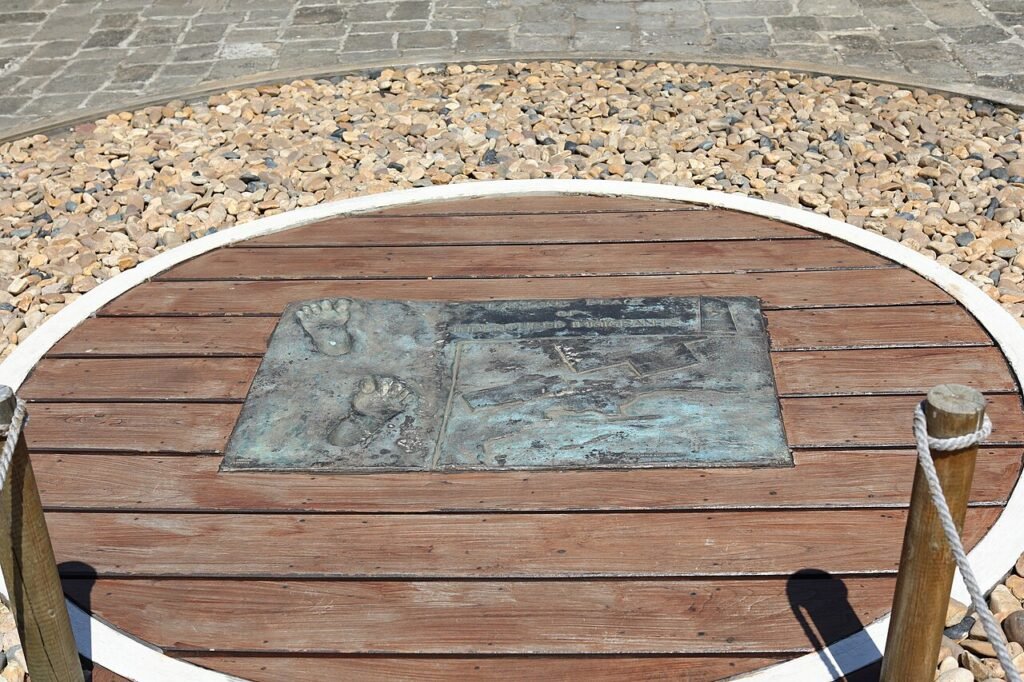
Visitors to Port Louis today are shown a flight of fourteen stone steps climbing from what used to be the waterline. The 1834 arrivals never saw the depot those steps belong to. For the first fifteen years there was no fixed depot at all, and labourers were landed at several buildings around the bay. The depot whose remains survive was set up in 1849 around an old French building at Trou Fanfaron, and was enlarged again and again through the 1850s.
By then the procedure had settled into a routine. A ship anchored, and the immigrants climbed the steps into a walled yard. Depot rules required them to bathe after the long voyage, men and boys in two tanks, women and girls in a third. There was a hospital block with a surgery. They slept in sheds, and at busy times as many as a thousand people were held there at once, though the Protector’s own report of 1859 put its proper capacity at 600.
They stayed two or three days. In that time clerks entered each person in the registers, and then they were handed over to the estates that had engaged them. Some were sent on to other colonies, including Réunion, southern and eastern Africa and the Caribbean. The Aapravasi Ghat Trust Fund, which manages the site, notes that less than half of the depot as it stood in 1865 is still there. A railway cut it in two in 1864. A bus station and a motorway took more in the twentieth century.
The double cut and the ticket
Estate life had its own rules. One was known as the double cut: a labourer who missed a day’s work, for any reason, lost two days’ wages and two days’ rations.
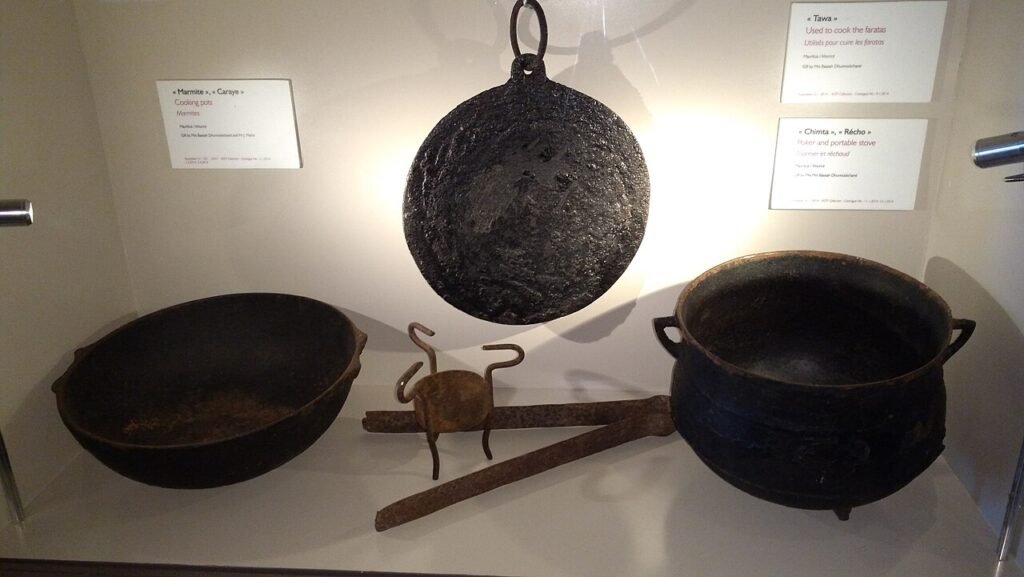
Another concerned those whose contracts had ended. Many "old immigrants" chose to stay on the island and work for themselves as hawkers, gardeners or carters. A labour law of 1867 required them to carry a police ticket, with a photograph, to move between districts. Anyone caught without one could be jailed as a vagrant. The police organised what they openly called vagrant hunts. A commission of inquiry into the police found that 22,359 Indians had been arrested for vagrancy in a single year.
Bengal’s indigo growers had answered the planters in similar fashion a decade earlier, a story told in Nil Darpan. In Mauritius the answer was a petition. In 1871 a plantation manager named Adolphe de Plevitz drafted a list of grievances, and 9,401 immigrants put their names to it, more than a third of them writing in their own languages. It reached the governor, and then London. A Royal Commission was sent out, and its report in 1875 condemned the treatment of the immigrants. That May, the new governor, Sir Arthur Phayre, wrote to the Colonial Office that the arrests were "a grave abuse of power and useless vexation of innocent men", and banned the hunts. The 1867 law was replaced in 1878.
Those who stayed
The last ship carrying indentured workers, the Surada, reached Port Louis in August 1910 with just over 200 people on board. By UNESCO’s count almost half a million had arrived before the system was wound up.
Some went home when their five years ended. Most did not. When sugar prices fell in the later nineteenth century, estates began selling off their poorer land in small plots, and former labourers bought it. By the 1860s people of Indian origin were already the majority on the island. In 1926 the first Indo-Mauritians were elected to the colony’s council. When Mauritius became independent in 1968, its first prime minister was Seewoosagur Ramgoolam, the son of an indentured immigrant.
Other Indians who crossed oceans in these years met a different wall. The passengers of the Komagata Maru in 1914 were free migrants turned back by Canadian immigration law. The people who came to Mauritius were wanted, and held.
Today about two in three Mauritians trace their families to India. The depot was declared a national monument in 1987 and a World Heritage Site in 2006, and 2 November, the day the Atlas came in, is a public holiday. The steps no longer reach the sea. The harbour in front of them was filled in long ago.
Test your knowledge
Answer 5 questions about the story.
What was indentured labour?
It was a system in which a worker signed a contract binding him or her to one employer for a fixed term, usually five years, in return for wages, rations, housing and a sea passage. Leaving the job before the term ended was treated as an offence.
When did Indian indentured labourers first arrive in Mauritius?
The first group under the British indenture system, thirty-six people recruited in Calcutta, reached Port Louis on the ship Atlas on 2 November 1834 and landed two days later. Indians had lived on the island earlier, under French rule.
Did the first indentured labourers arrive at Aapravasi Ghat?
No. The immigration depot now called Aapravasi Ghat was established in 1849. The 1834 group landed near the old Customs House, a short distance away.
How many indentured labourers came to Mauritius?
UNESCO puts the number at almost half a million between 1834 and 1920, most of them from India. Worldwide, more than two million people were moved under indenture.
Why is 2 November a public holiday in Mauritius?
It marks the arrival of the Atlas in 1834 and commemorates all indentured labourers who came to the island.
Sources and further reading
UNESCO World Heritage Centre, "Aapravasi Ghat" (site 1227), with the ICOMOS advisory body evaluation, 2006.
Aapravasi Ghat Trust Fund, Government of Mauritius, site history pages.
"Some New Information: 2nd November 1834, the Arrival of the Pioneer Indentured Labourers in Mauritius", Le Mauricien.
Richard B. Allen, "Indian Immigrants and the Legacy of Marronage: Illegal Absence, Desertion and Vagrancy on Mauritius, 1835-1900", Itinerario 21, no. 1 (1997).
Satyendra Peerthum and Satteeanund Peerthum, "The De Plevitz Petition and the Resistance of the Indian Immigrants (1861-1875)", Le Mauricien, 20 October 2020.