India wanted Meena Kumari’s grief, and paid very little attention to the thing she was actually making
At a poetry gathering sometime in the 1960s, the room turned away from the poets and went to look at the film star.
Firaq Gorakhpuri, one of the great Urdu poets of the century, was not pleased, and said aloud that the evening was meant for poets and not for actors. Meena Kumari’s reply has been repeated ever since. “Sir, I have come to listen to you.”
She had by then been writing verse for years, under the name Naaz. Almost nobody in the country thought of her as a writer. They thought of her as the woman who cried beautifully.
8 Defining Chapters in the Vikram Sarabhai Biography
Baby Meena
She was working before she was old enough to understand what work was.
She was born Mahjabeen Bano in Bombay in 1933, into a family of theatre people with no money. She was in films by about four, billed as Baby Meena, and she was supporting the household not long after. There was no schooling to speak of and no childhood of the ordinary kind.
By the time she could read a contract she had been earning for adults for years. It is worth holding on to that fact before anyone calls her life a tragedy in the poetic sense. It started as an economic arrangement.
6 Unfoldings in the Subrahmanyan Chandrasekhar Biography
The genre they built around her
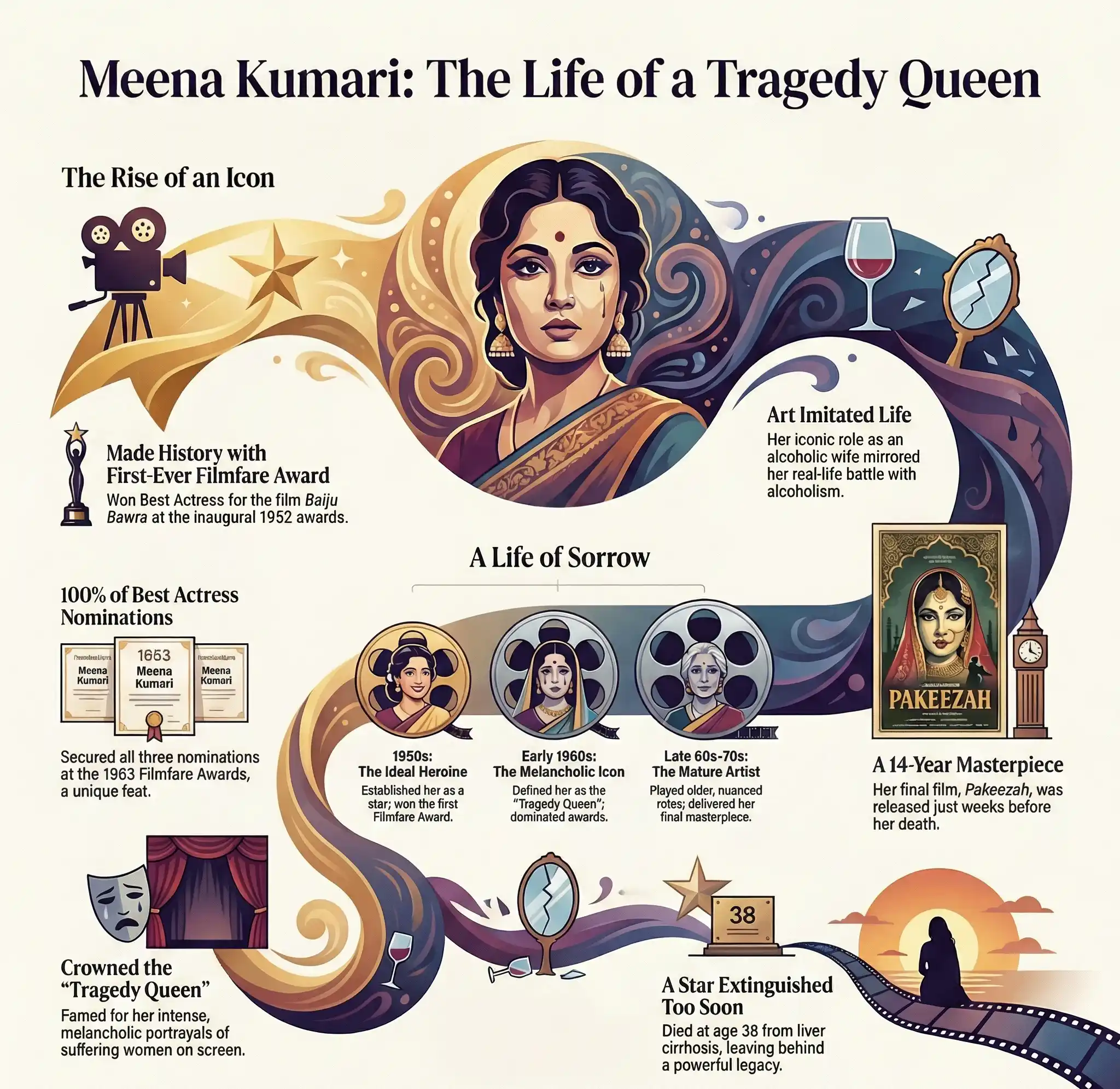
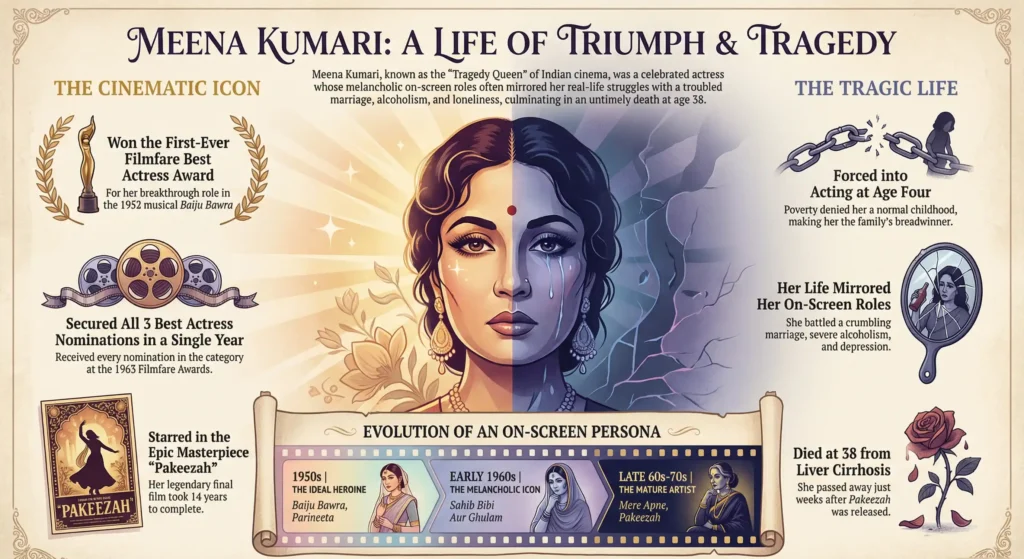
Baiju Bawra in 1952 won her the first Filmfare Award for Best Actress ever given, and settled what she would be asked to do next.
What followed was one of the strangest runs in Indian film history. At the 1963 Filmfare Awards all three nominations for Best Actress were hers, for Aarti, Main Chup Rahungi and Sahib Bibi Aur Ghulam. She won for the last of them, playing Chhoti Bahu, a lonely woman in a decaying house who starts to drink.
She worked almost without stopping, close to ninety films across thirty years, and the parts narrowed as the label hardened around her.
India called her the Tragedy Queen and meant it as praise. It was really a description of what audiences wanted from her, repeated until it became a job.
Naaz
The poems were where she went to be someone else.
Two scholars of her work, Philip Bounds and Daisy Hasan, have put it about as well as it can be put: poetry was how she “distanced herself from her public image and criticized the industry” that had made her famous. She was not writing captions to her own sadness. She was writing about being looked at.
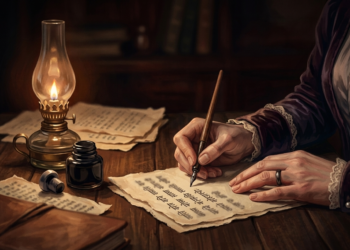
In 1971 she made a record of them, I Write, I Recite, with music by Khayyam. She had wanted Khayyam’s wife, the singer Jagjit Kaur, to perform the verses; Jagjit Kaur told her to do it herself, and she did, reciting and singing her own work.
Not everyone was convinced. Khwaja Ahmed Abbas, interviewed soon after her death, thought her no great poet. That judgment is part of the record too, and she would probably have preferred being argued with as a writer to being admired as a sufferer.
What she left Gulzar
She gave her notebooks away while she was still alive.
Gulzar directed her in Mere Apne in 1971, when she was already very ill, and she passed her manuscripts and diaries to him. After she died he compiled them and published them as Tanha Chand, Lonely Moon.
Her verse reached English readers only in 2014, when Noorul Hasan published the first translation of it. That is forty-two years after her death, and rather longer than it took anyone to canonise her crying.
In his short note at the front he described himself as a custodian rather than an owner, and made the point that a poet holds a poem only until it is spoken aloud. After that it belongs to whoever heard it.
31 March 1972
Pakeezah had opened on 4 February, fourteen years after Kamal Amrohi started it.
She died seven weeks later, at thirty-eight, of cirrhosis of the liver. She had been drinking heavily for years and it killed her, and there is nothing poetic in that sentence, whatever the industry made of it afterwards. Pakeezah, which had opened quietly, became an enormous hit once she was dead.
She had told Firaq Gorakhpuri that she had come to listen. The country never quite got round to returning the courtesy.
7 Secrets of Padmanabhaswamy Temple Treasure
If you think you have remembered everything about this topic take this QUIZ
Results


#1. What historic record did Meena Kumari set at the 10th Filmfare Awards in 1963?
#2. Which iconic role is considered her greatest performance, paralleling her real-life struggles with loneliness and alcoholism?
#3. How many years did it take to complete Meena Kumari’s final masterpiece, ‘Pakeezah’?
#4. Under what pseudonym did Meena Kumari write her Urdu poetry?
#5. What was the cause of Meena Kumari’s death at the young age of 38?
#6. According to the ‘Quick Comparison’ table, which film is associated with her ‘Mature Artist’ phase in the late 60s and 70s?
#7. Which distinctive physical trait did Meena Kumari often hide in films using her dupatta or saree?
10 Remarkable Facts About Meghnad Saha Life and Achievements
What was Meena Kumari’s real name?
Her birth name was Mahjabeen Bano.
Which film won Meena Kumari the first Filmfare Award?
She won the inaugural Filmfare Award for Best Actress for the film Baiju Bawra (1952).
What was the cause of Meena Kumari’s death?
She died of liver cirrhosis at the age of 38, caused by years of alcohol addiction.
Who was Meena Kumari’s husband?
She was married to the famous film director and writer Kamal Amrohi.
How long did it take to make the movie Pakeezah?
The film took nearly 14 years to complete, delayed by the couple’s separation and Meena Kumari’s failing health.
Sources & References
Gulzar (comp.), Tanha Chand (1972) — the posthumous collection of her verse and his note on how the manuscripts came to him.
Noorul Hasan, Meena Kumari the Poet: A Life Beyond Cinema (2014) — the first English translation of her Urdu poetry.
Vinod Mehta, Meena Kumari (1972) — the contemporary biography, including her colleagues’ mixed verdicts on her writing.
Cinemaazi — her filmography, the Filmfare record of 1963 and the making of the album I Write, I Recite.
Author


Exploring the Soul of Bharat through History, Science, Culture, and its Diversity
Our Mission
Curious Indian is a definitive knowledge portal dedicated to chronicling the events, personalities, and cultural shifts that defined the Indian subcontinent. From the ancient Vedic Period to the complexities of 21st-century politics, our goal is to provide deep-dive analysis that inspires.
Editorial Standards & E-E-A-T
Every article published under our brand undergoes a rigorous fact-checking process. We prioritize primary historical records, academic citations, and credible archives to ensure our readers receive accurate, high-authority information.
Historical Integrity Directly sourcing from ASI archives and academic journals.Topical Authority Comprehensive clustering of Indian Science, Biographies, and Wars.Managed by Paripurna Datta and TEAM | Dedicated to the Knowledge of India.