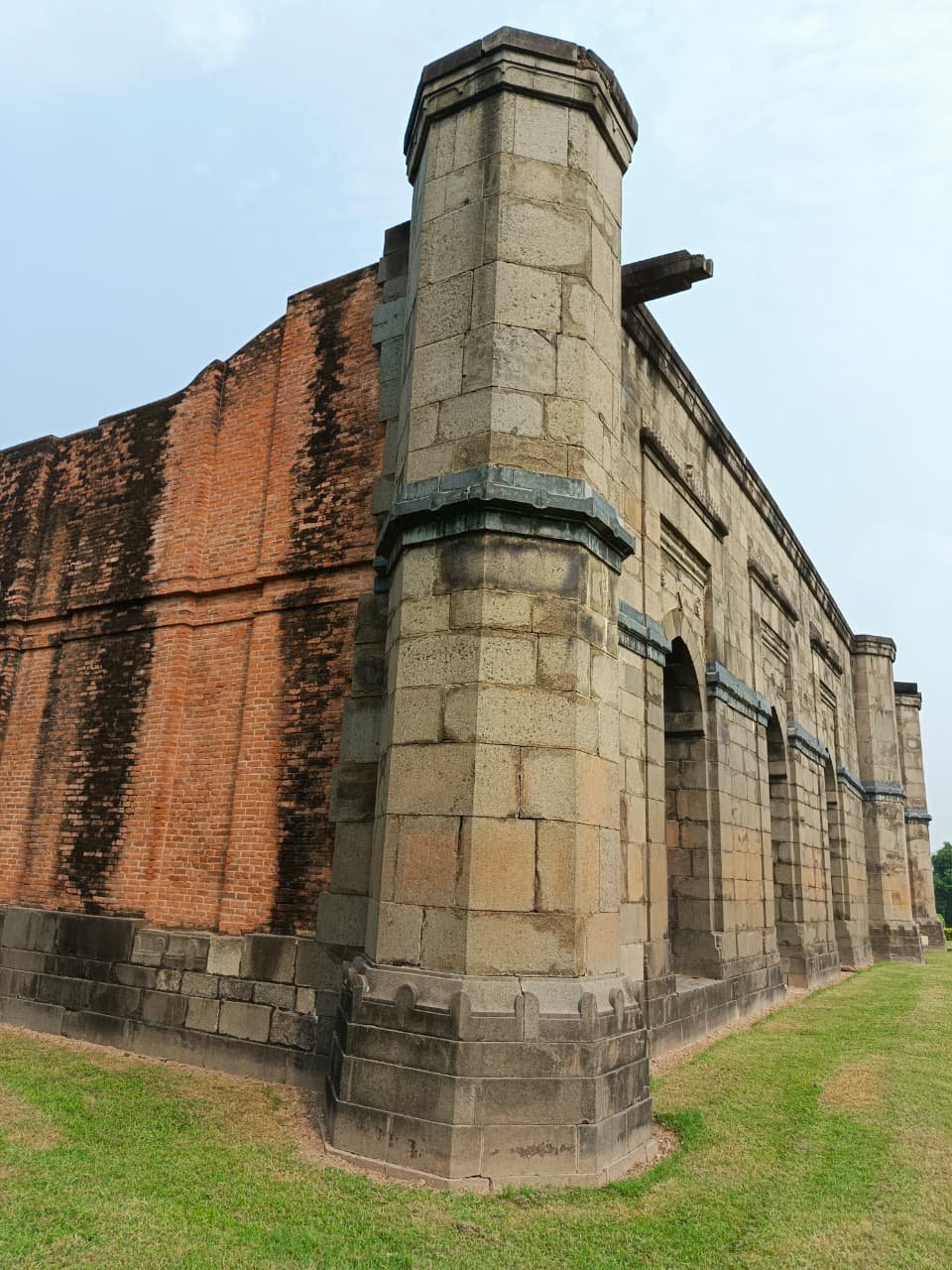
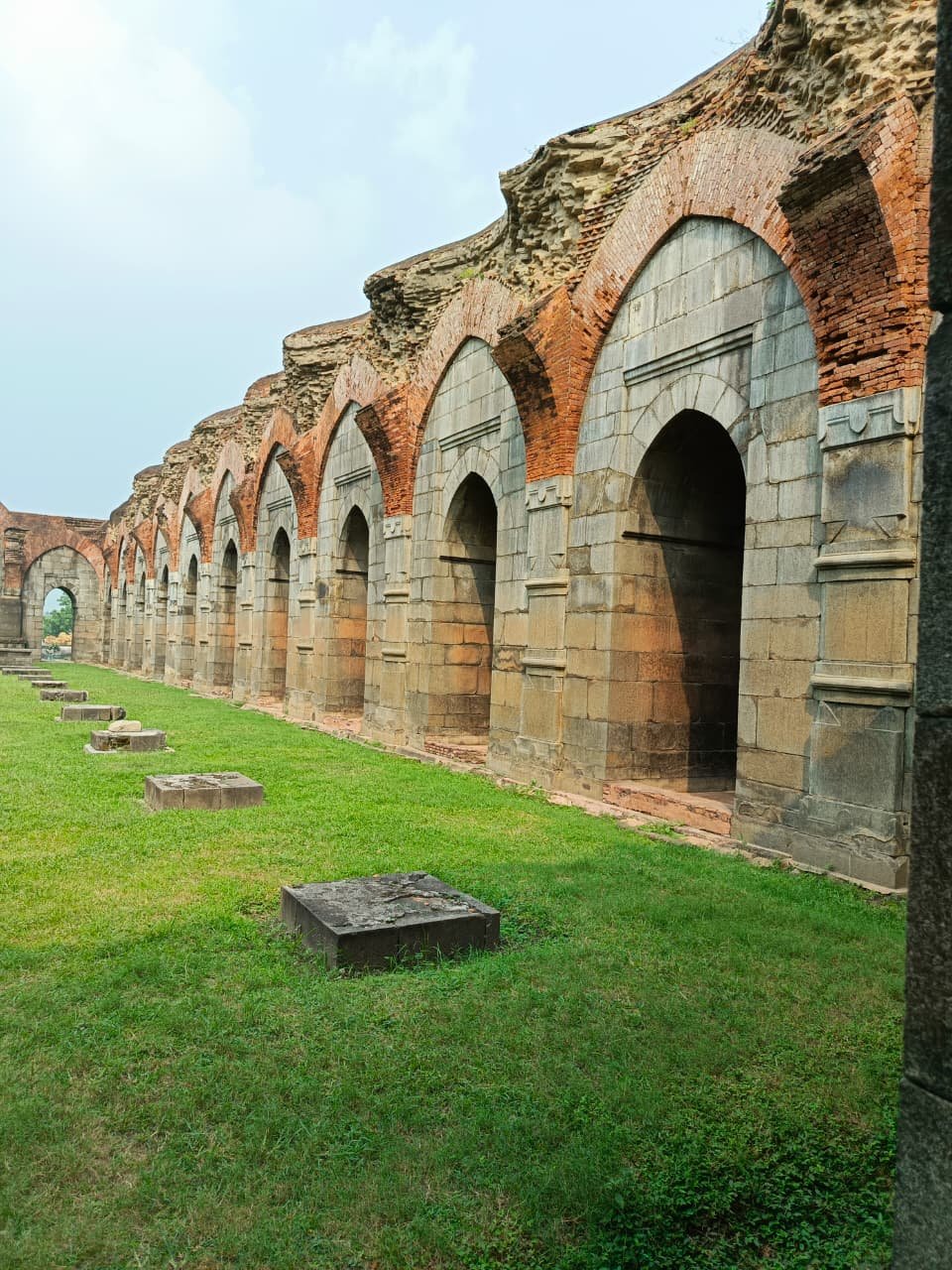
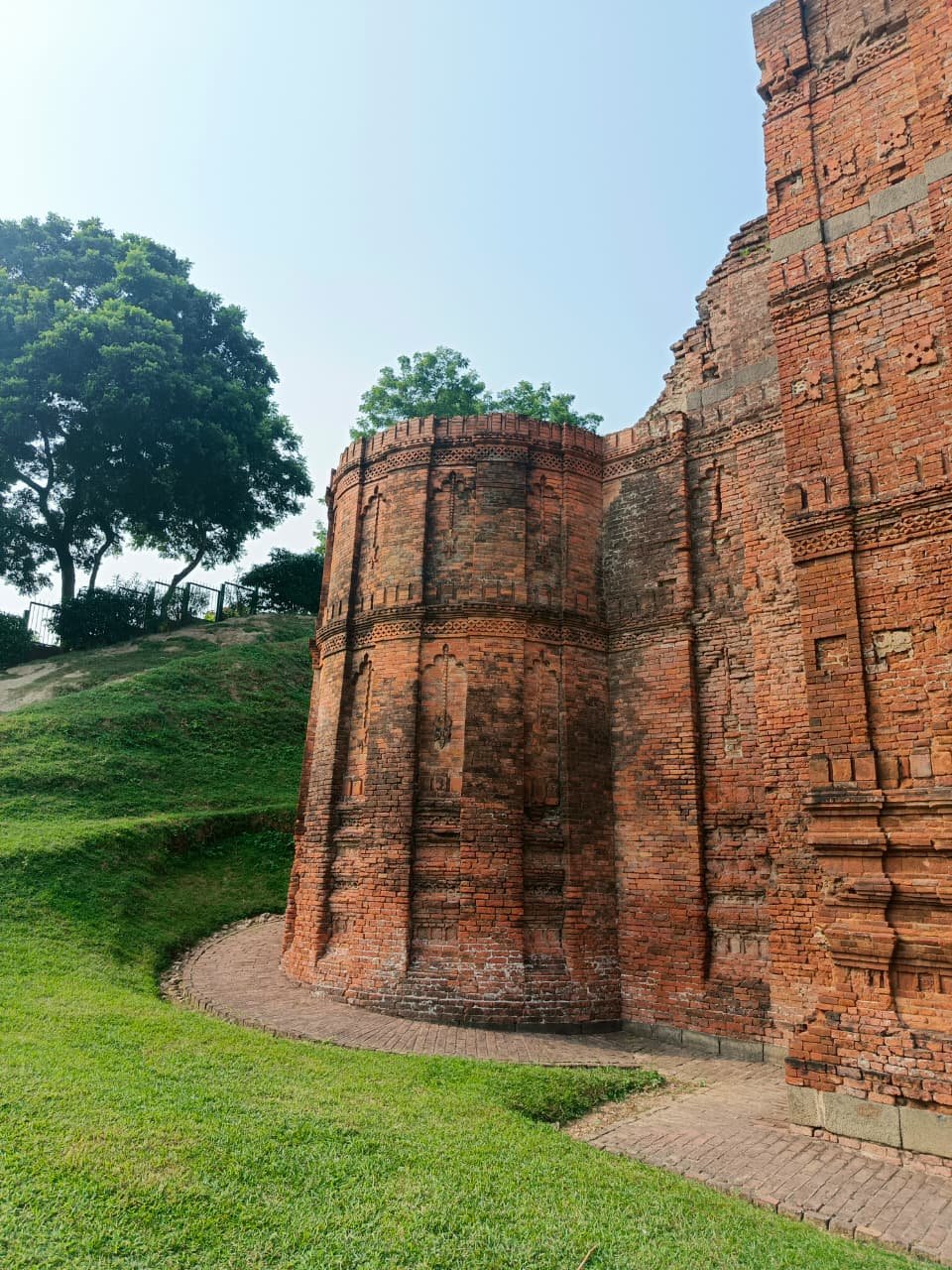
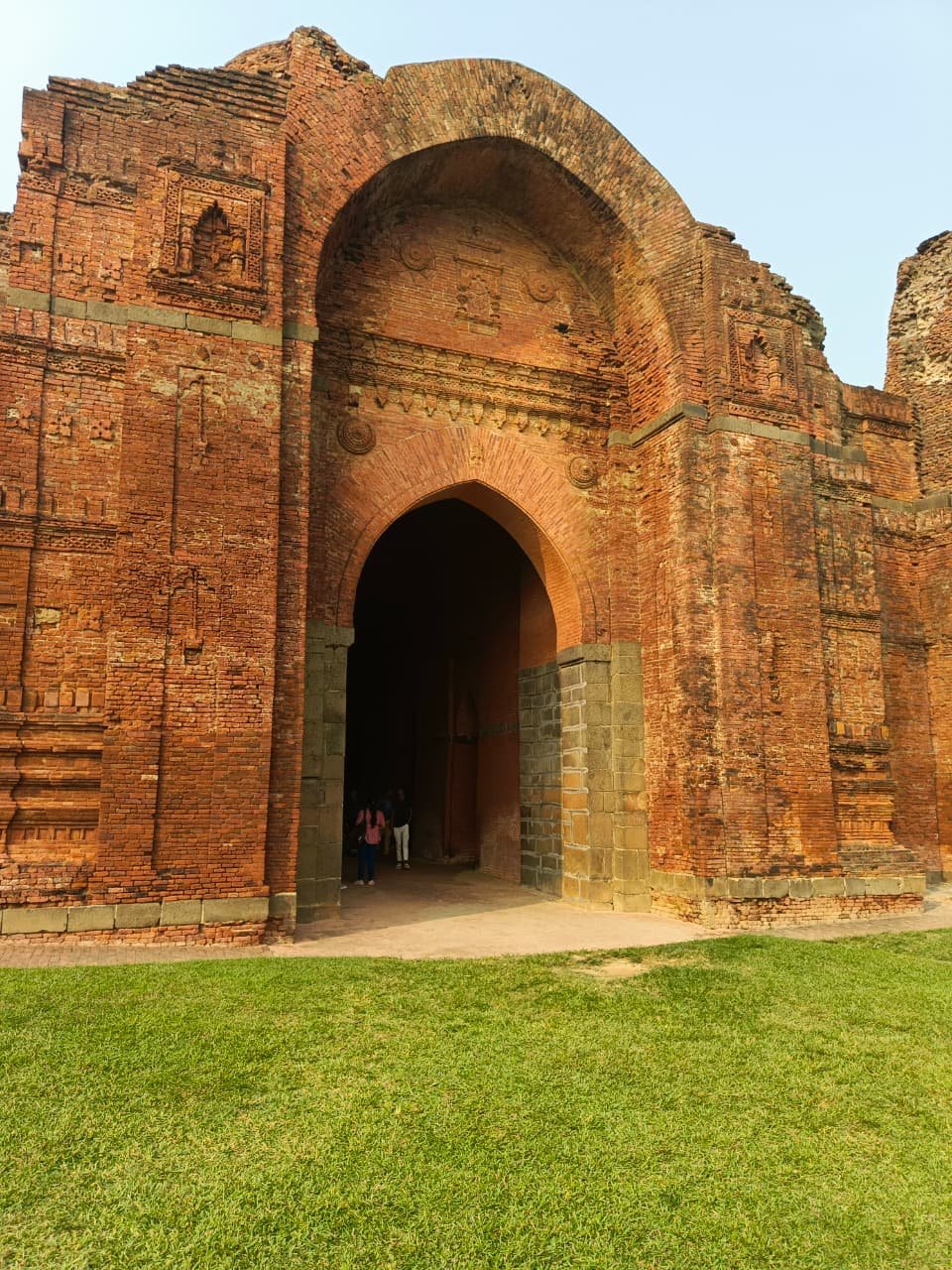
To understand a lost history, we come to the land of Gour in Malda. This district is known as the connector between North and South Bengal. Gour was once the capital of Bengal and its monuments still carry many stories of the past.
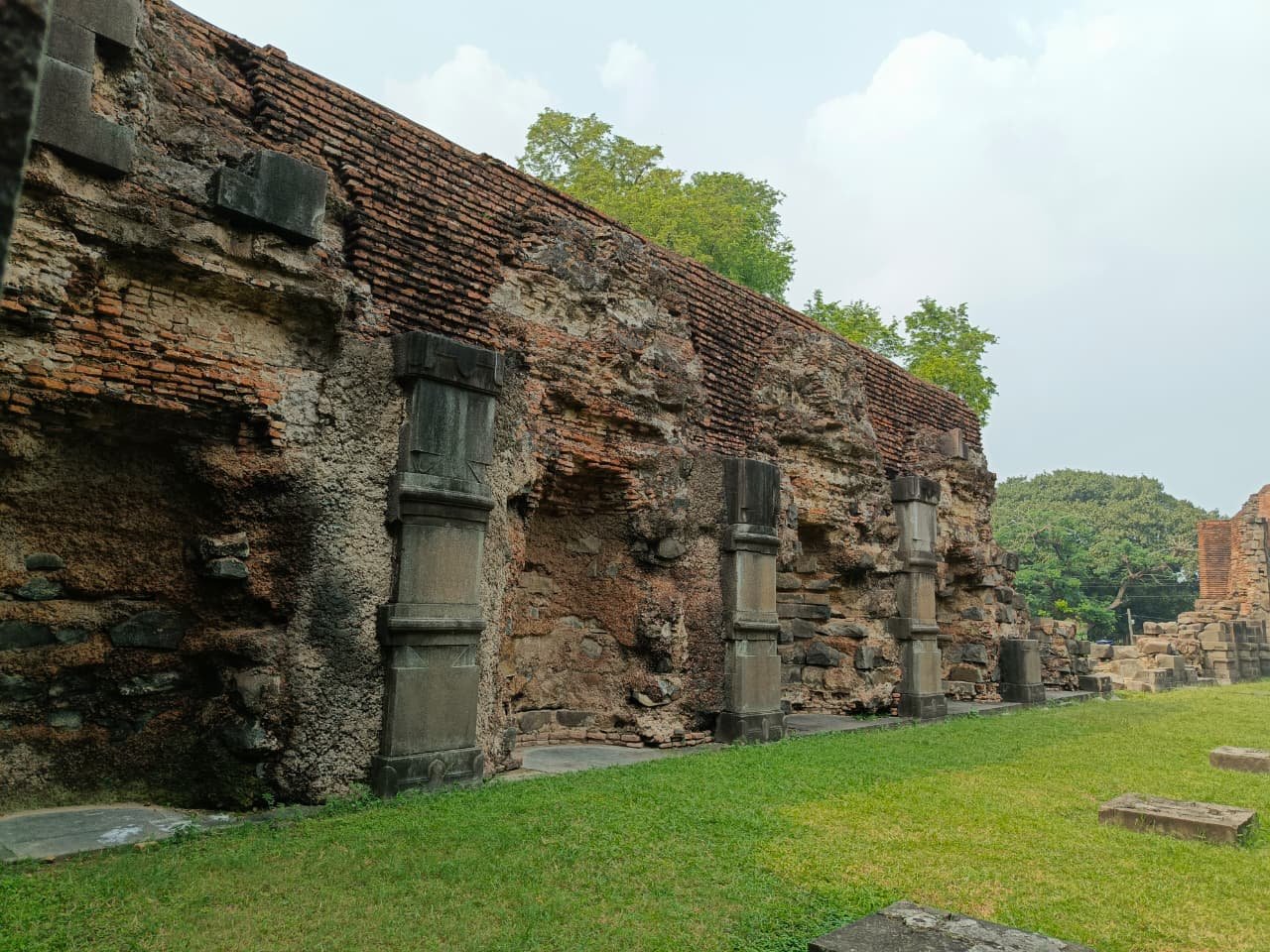
Formar Principal of Malda college and Historian Dr. Produt Ghosh traces its early origin. He says, “Gour and Pandua were once the capitals of Bengal. What we see here are some ruins, some mosques, some buildings and minars.” References to Gour are also found in Kautilya’s Arthashastra, written between 321 and 300 BCE.
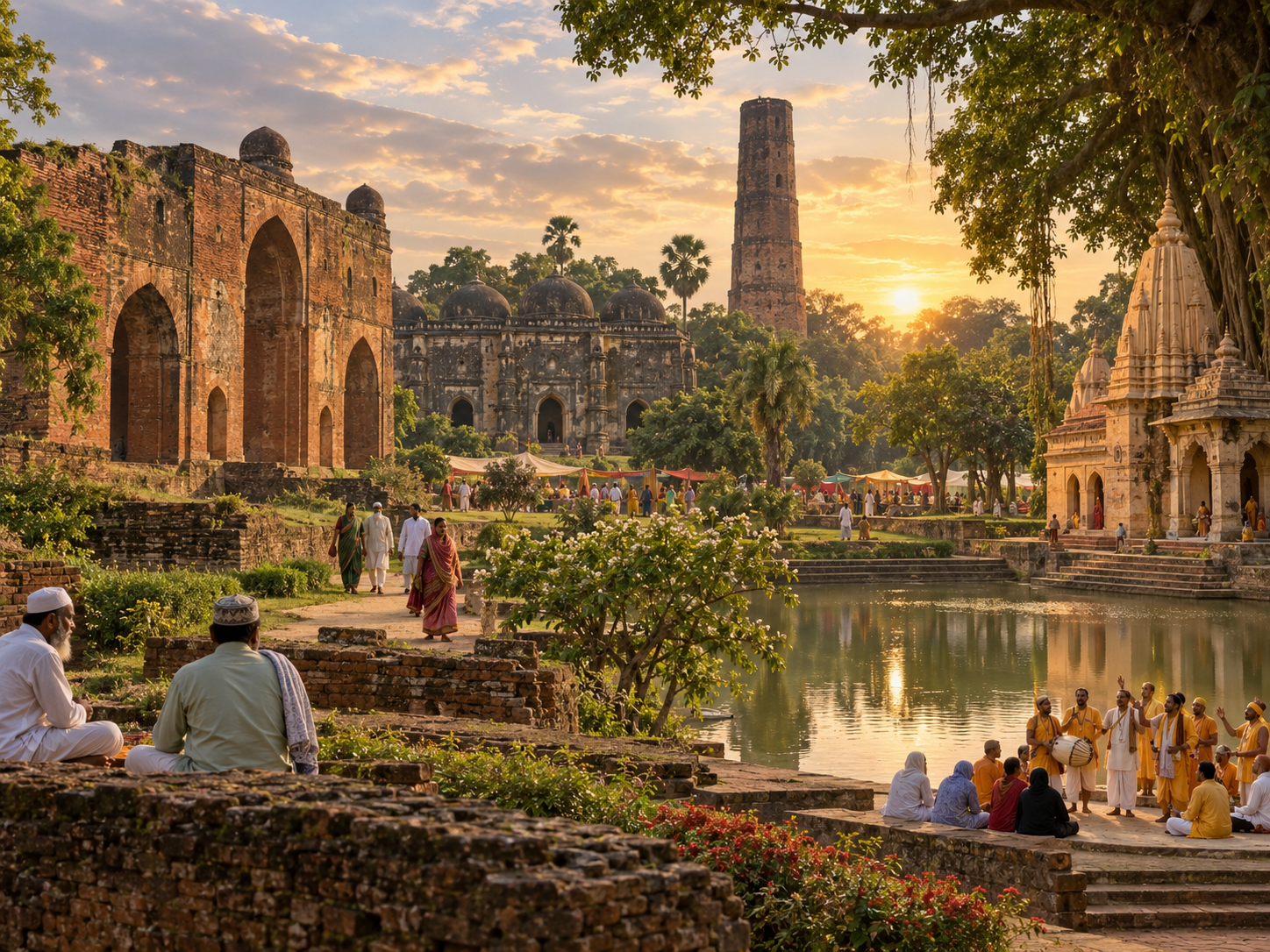
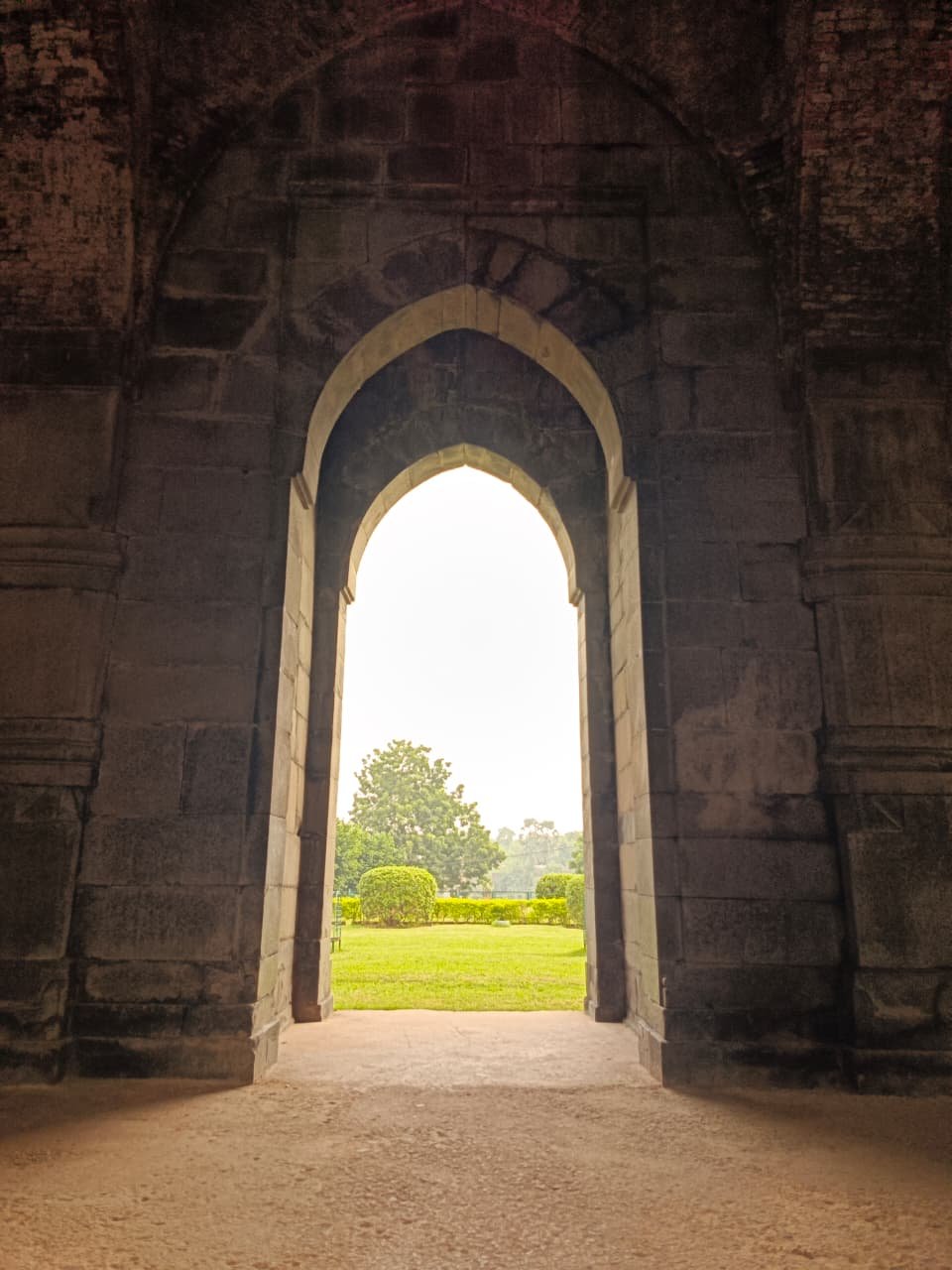
One of the key structures is Baradwari. It was the outer gateway of the royal palace. Another landmark is Firoz Minar, built by Saifuddin Firoz Shah. During the reign of Sultan Alauddin Hussain Shah, this region flourished as an administrative centre.
Close to Gour lies Ramkeli, a place where history and faith meet.
What makes this region unique is that the grand mosques of Gour and the sacred temples of Ramkeli Dham exist side by side within a short distance, yet they do not stand as symbols of two different religions, but as parts of one shared cultural landscape. The call to prayer from the mosque and the sound of kirtan from the Dham have coexisted here for more than 500 years.
This unity was visible in history as well. According to Chaitanya Charitamrita, Sri Chaitanya Mahaprabhu visited Ramkeli on June 15, 1515. At that time, Alauddin Hussain Shah was the Nawab of Gour. Upon hearing of Chaitanya’s arrival, the Nawab did not oppose him. Instead, he sent members of his court to ensure his safety and allowed him to perform Nam Sankirtan freely.
It is also believed that a footprint of Prophet Muhammad, brought from Mecca, is preserved near Ramkeli and is respected by people of both communities.
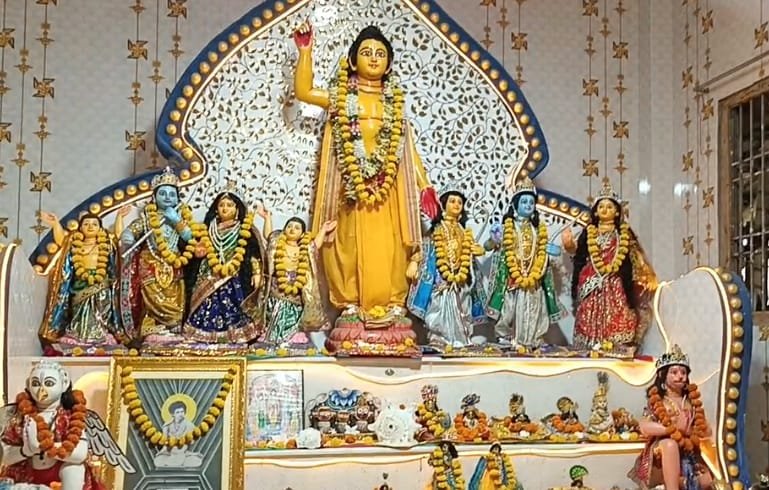
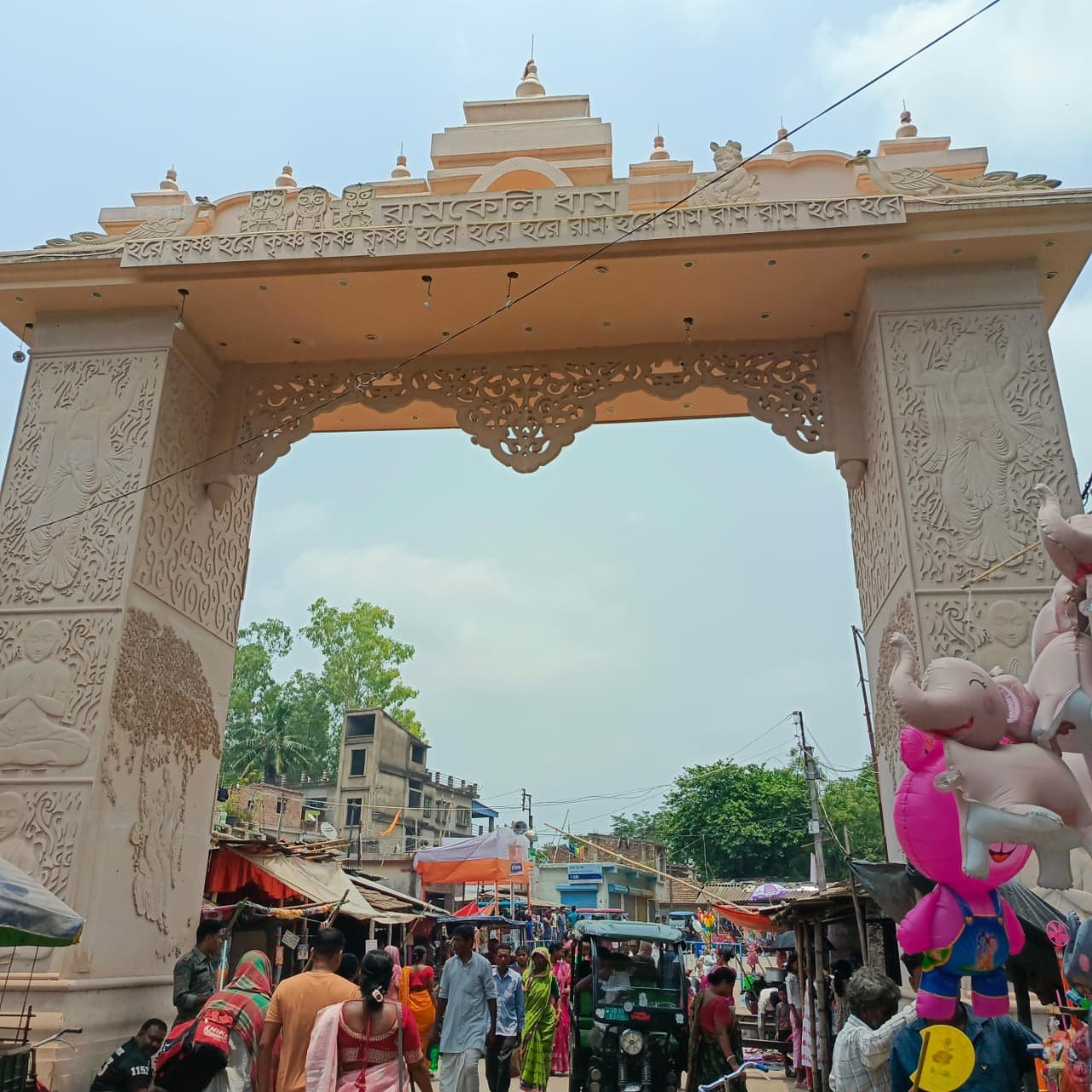
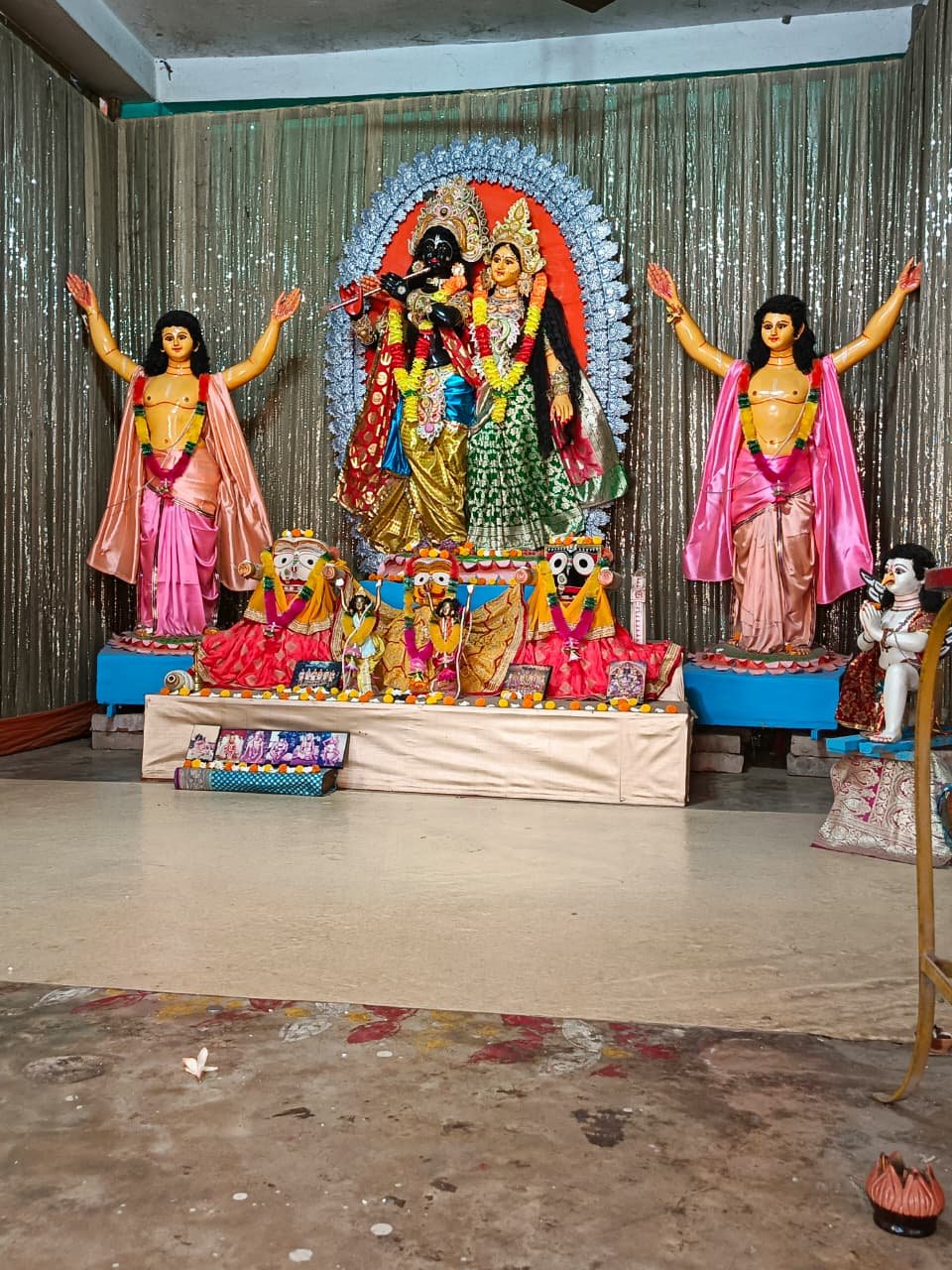
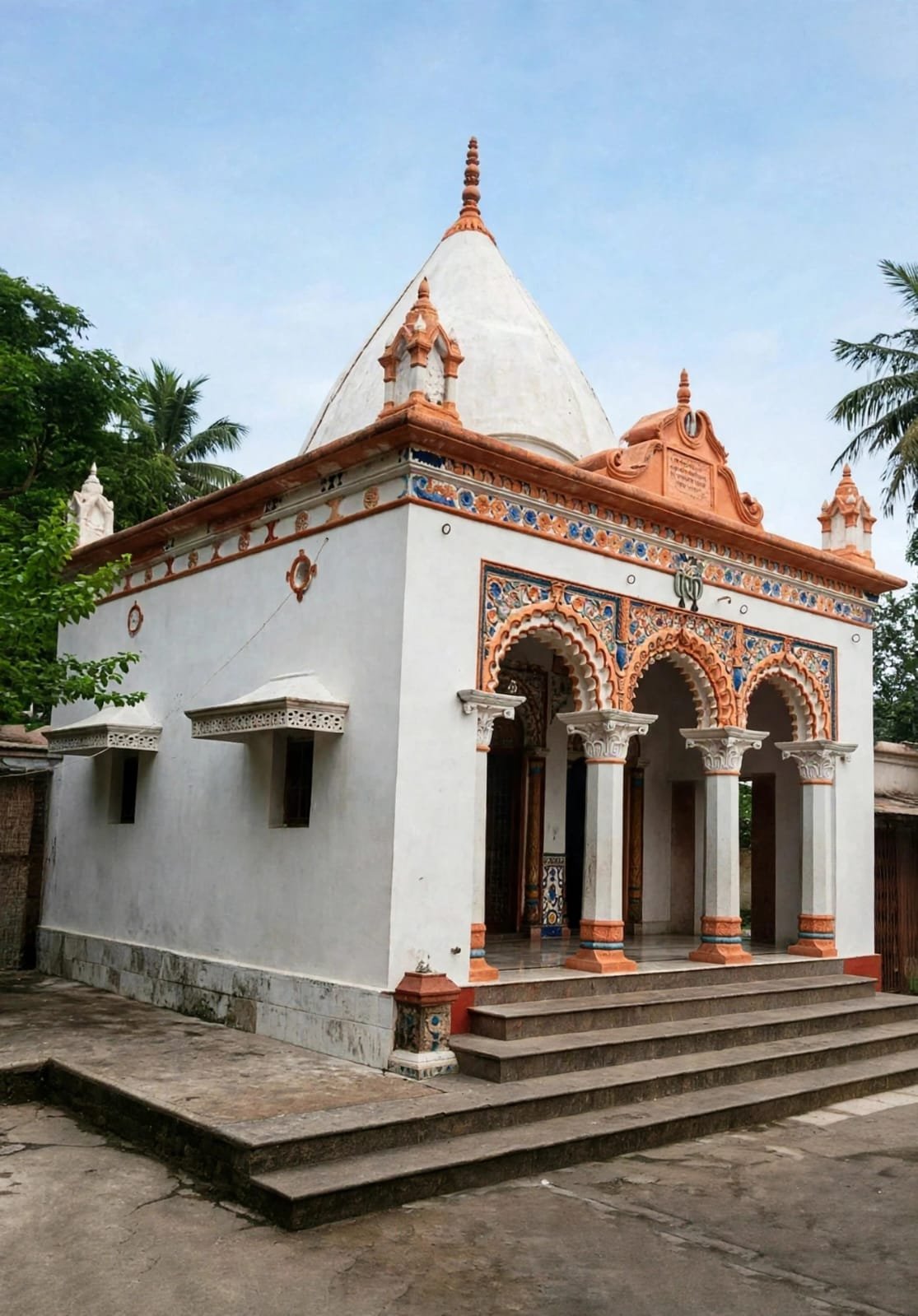
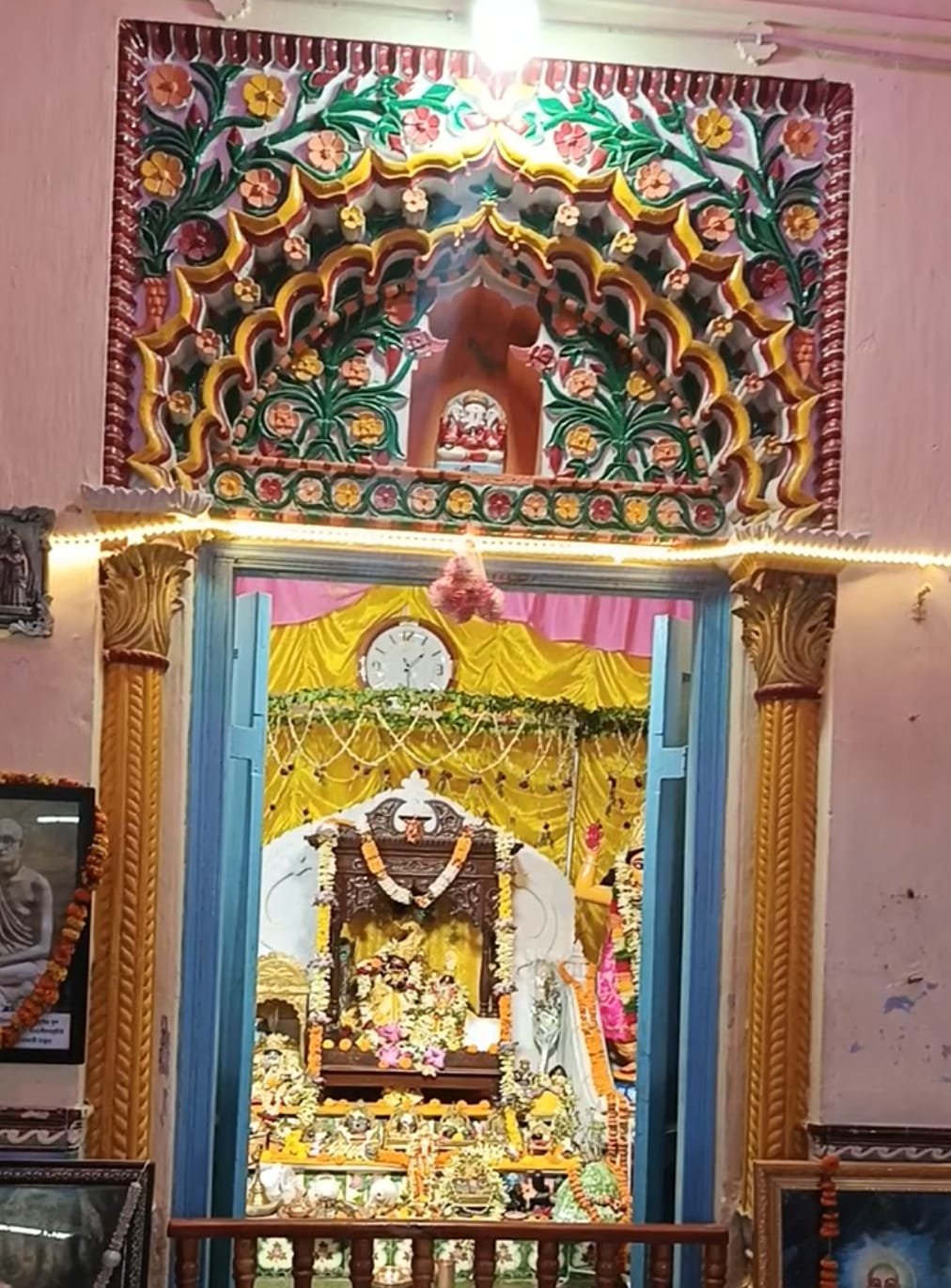
According to local belief, Ramkeli is also linked to Treta Yuga. It is believed that Lord Rama visited here while returning from exile. Here, Goddess Sita performed pinda daan for her maternal ancestors. In Hindu tradition, women were generally not allowed to perform pinda daan, but since Sita Devi performed it here, Ramkeli became an exception.
Priest himself serve for years to uttarbas shri ram jagannath Priest Purnachandra Panigrahi says, “This place is known as Ramkeli Dham. Here Sita Devi performed pinda daan for her maternal family in Treta Yuga. Since then, thousands of women have come here to perform pinda daan for their maternal family. That is why Ramkeli is so special.”
The Dham today houses shrines of Advaita Prabhu, Nityananda Prabhu, Radha Madanmohan and Balaram-Revati. Sacred kunds like Shyam Kund, Radha Kund and Lalita Kund surround the complex.
This spirit of togetherness is most visible during the annual fair. Every year on Jyeshtha Sankranti, Ramkeli comes alive with a grand fair that has continued for over 500 years.
Former secretary and lawyer of MALDA bar association Gajendranath Saha says, “For 500 years, this fair has been held without interruption. This fair is not only for Vaishnavas. During undivided Bengal, people from all communities came together here without any barriers. The mosques of Gour and the temples of Ramkeli together teach us how to live together.”
Thus, the silent ruins of Gour and the vibrant devotion of Ramkeli Dham together present a powerful visual representation of Unity in Diversity. While one tells the story of Bengal’s Islamic heritage, the other tells the story of its Hindu faith, and together they tell the story of Bengal itself.
Source: Collect the information from videography ‘ইতিহাসের পাতা থেকে’ by N.K Lodi