How Bal Gangadhar Tilak Turned a Private Household Prayer into a Weapon for India’s Freedom
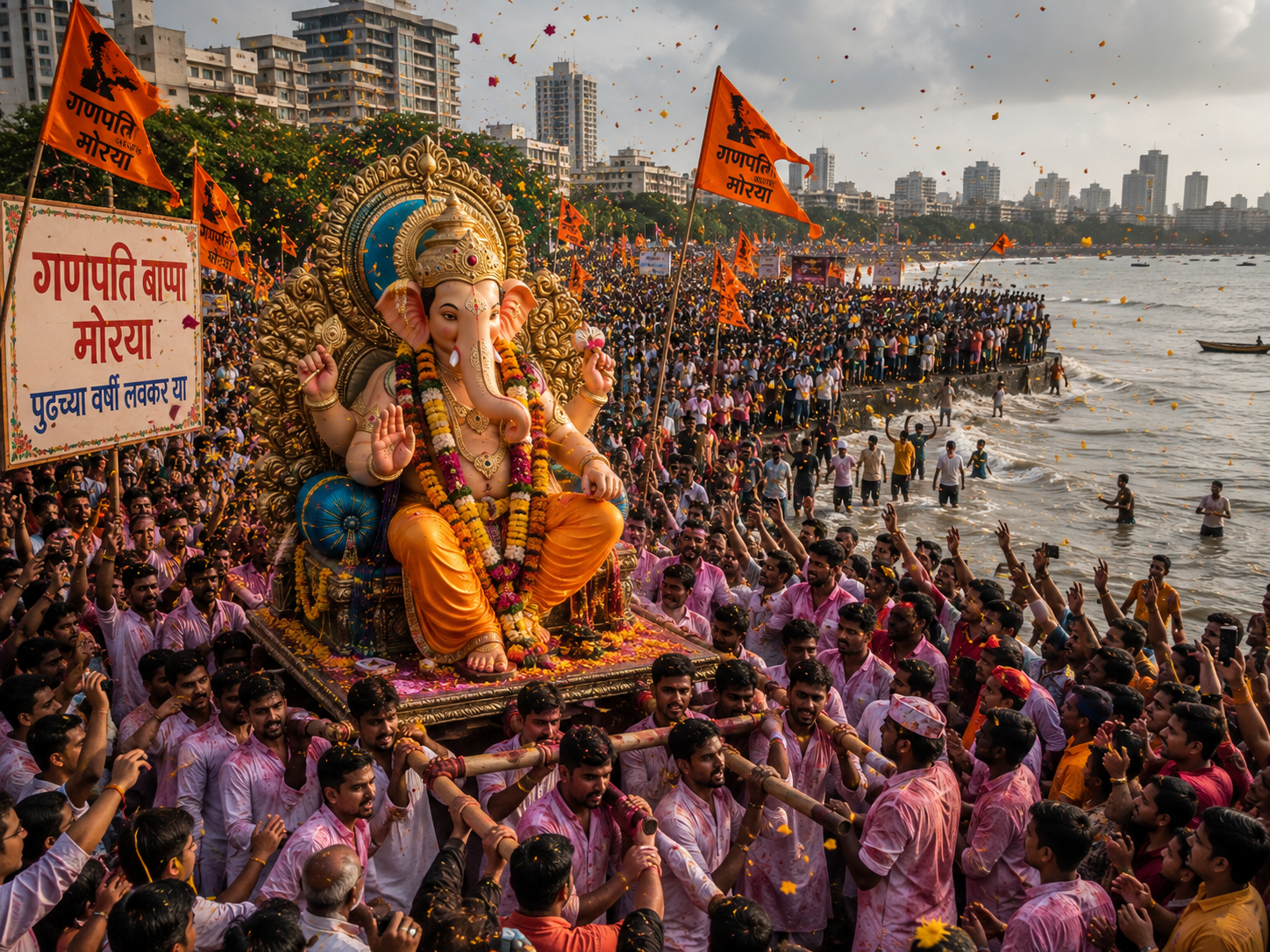
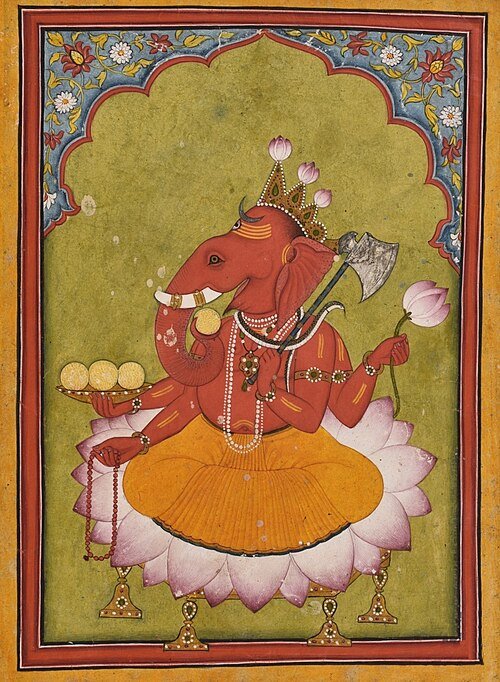
Most people know Ganesha the instant they see him: the cheerful, elephant-headed god, the remover of obstacles, the one Hindus turn to before starting anything new, whether a wedding, a journey, an exam or a business. His festival, Ganesh Chaturthi, fills the streets of Mumbai and much of India for ten roaring days each year, with towering idols and enormous crowds.
But here is what most people do not know. That huge public festival is barely more than a hundred years old. And it was born not as a party, but as a clever weapon in the fight for India’s freedom.
Reign of Chandragupta II Vikramaditya: The Golden Age of India
The Boy Made to Guard a Door
First, though, who is Ganesha? The old story goes like this.
The goddess Parvati wanted some privacy for her bath. So she gathered up a little paste, shaped it into the figure of a boy, and breathed life into him. She set him at her door with one simple instruction: let no one in. When her husband, the mighty god Shiva, came home and tried to walk through, the boy, who had never once met his own father, bravely blocked his path.
Shiva, not knowing who this child was, grew furious and struck off his head. But when Parvati’s terrible grief showed him what he had done, Shiva promised to set it right. He took the head of the very first creature he found, an elephant, and gently placed it upon the boy’s shoulders. And so Ganesha gained his famous elephant head, and became the beloved remover of obstacles.
A Prayer Behind Closed Doors
For most of its long life, Ganesh Chaturthi was a quiet and private thing.
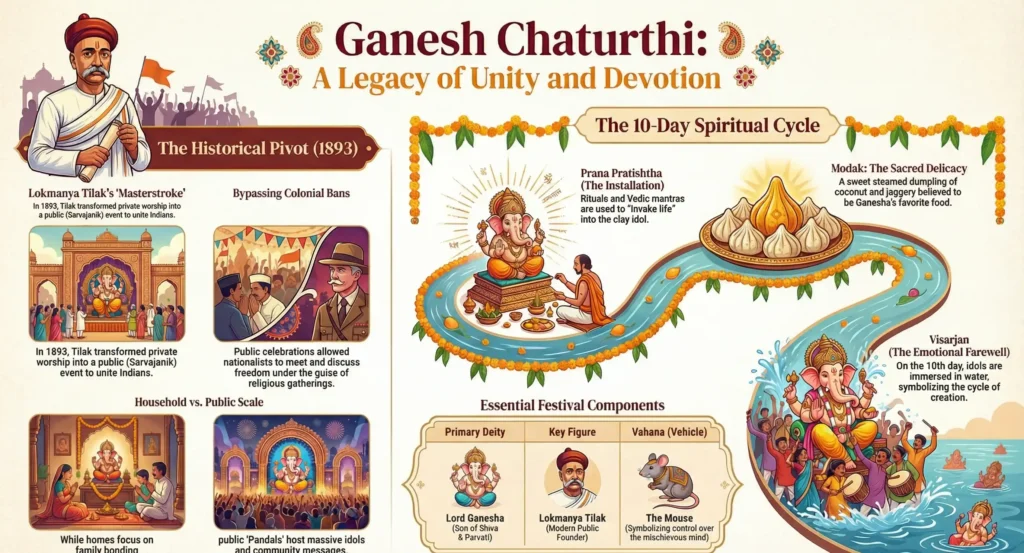
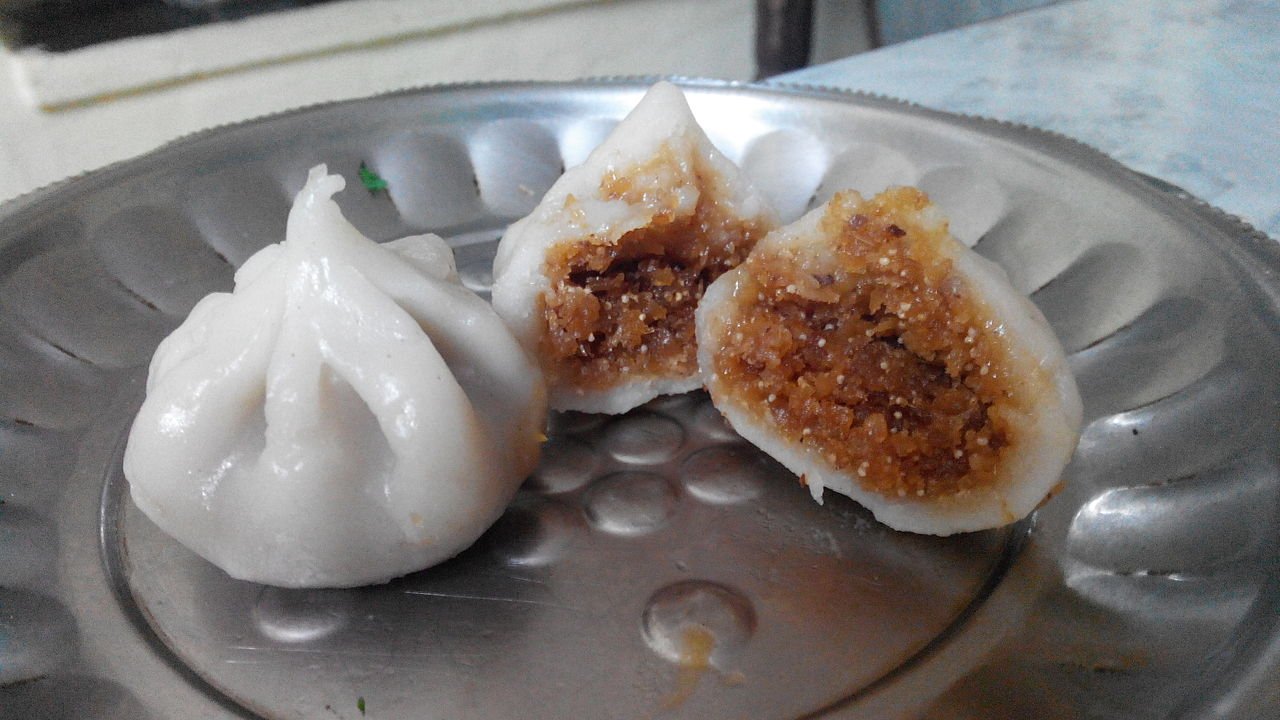
Families would bring a small clay idol of Ganesha into their homes, pray to him for a few days, offer him his favourite sweet, the modak, and then carry him to the water to be immersed. It happened indoors, within the family, behind closed doors. It was nothing like the thunderous public spectacle we see today.
That enormous change came from one man, and one very clever idea.
Sunayani Devi: A Woman’s Voice in the Bengal School
Tilak’s Clever Idea
In 1893, a fierce nationalist leader from Maharashtra named Bal Gangadhar Tilak, so loved that people simply called him “Lokmanya,” meaning “respected by the people,” looked at this gentle home festival and saw in it something the British had missed.
The British rulers, always nervous about rebellion, had banned Indians from holding large political meetings. You could be arrested for gathering a crowd to talk about freedom. But it was far harder for them to stop people from gathering for a religious festival.
The British had banned political gatherings. So Tilak turned a religious festival into one: a place where Indians could lawfully come together, and quietly speak of freedom.
So Tilak carried Ganesh Chaturthi out of the home and into the street. He set up big public idols in open pavilions called pandals, where anyone at all could come. And around the worship he carefully wove nationalist songs, speeches, plays and poems. A religious celebration had become a legal way to hold the very political meeting the British had forbidden.
It did something else, too, that mattered just as much. Tilak deliberately made it a festival for everybody, rich and poor, of every caste, all standing together before the same god. In a society long divided by caste, that shared celebration built a rare and powerful feeling of being one single people. The remover of obstacles had quietly been enlisted against the greatest obstacle of all: an empire.
Christmas in India: A Festive Blend of Tradition
The Festival It Became
The idea caught fire, and it never stopped spreading.
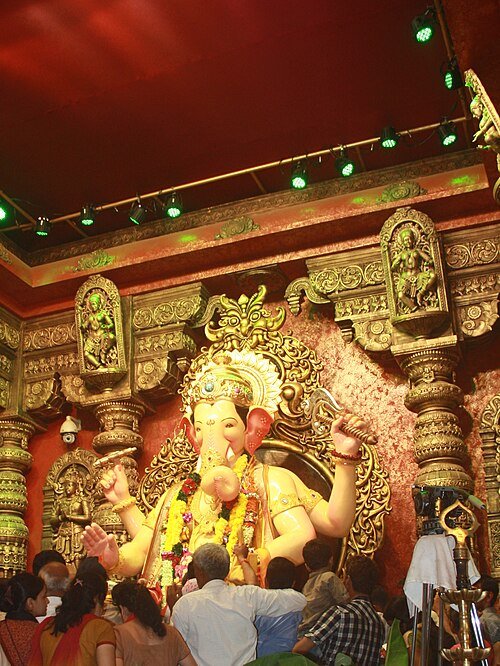
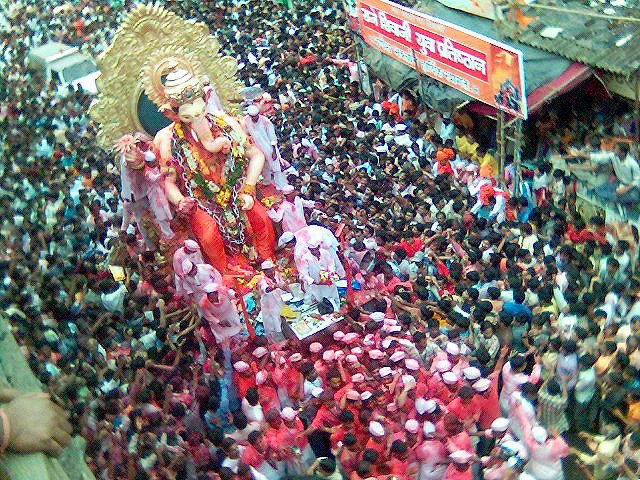
Today, more than a century later, Ganesh Chaturthi is one of the largest festivals in all of India, and its beating heart is Mumbai. There, colossal and dazzling idols, like the famous Lalbaugcha Raja, draw millions of visitors over the ten days. Whole neighbourhoods raise towering pandals, and there is music, food and light on every side. What Tilak first lit as a small flame of unity has grown into a vast and joyful celebration.
The God Who goes Home to the Sea
And it ends, as it always did, with a farewell.
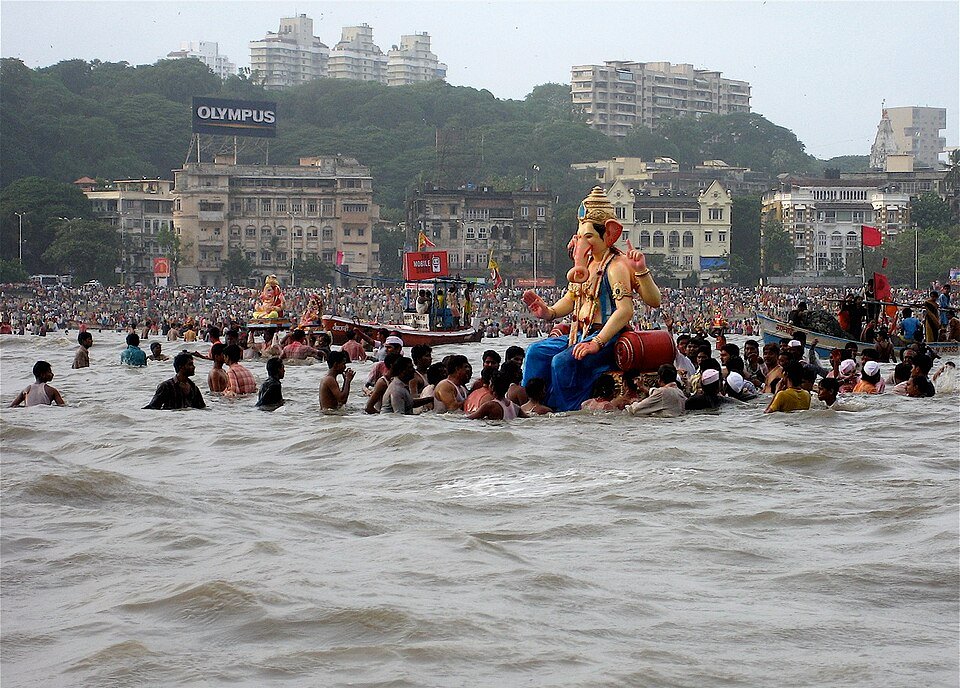
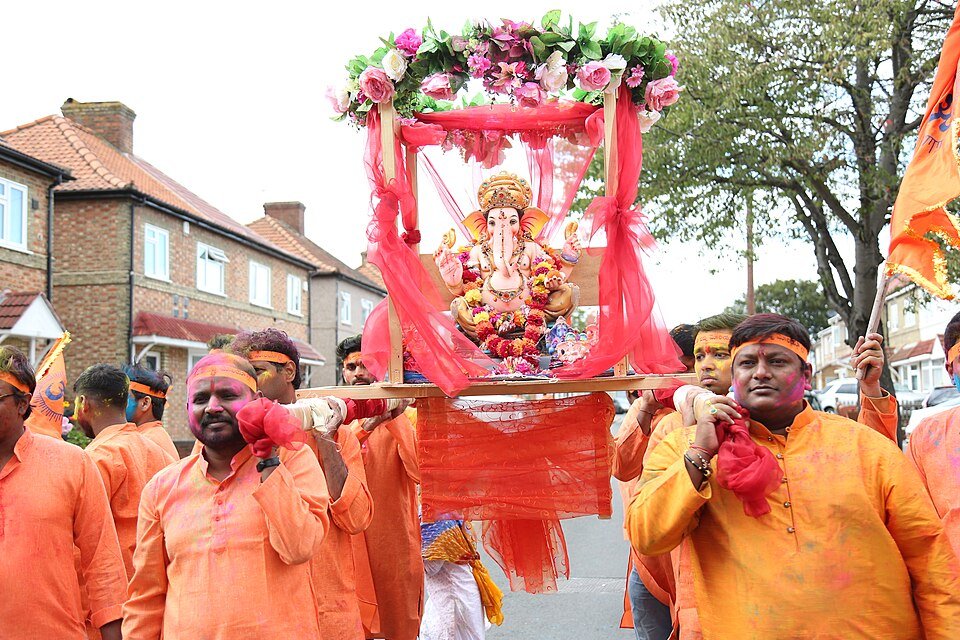
On the final day, called Anant Chaturdashi, the idols are carried through the streets in huge, singing, dancing processions down to the water, whether a river, a lake, or the open sea. There the idol is lowered in, and the clay slowly melts away, carrying with it, people believe, the prayers and the troubles of the god’s devotees, back to his heavenly home. As he goes, the crowds chant the promise that everyone in Mumbai knows by heart.
Ganpati Bappa Morya, pudhchya varshi lavkar ya. O Lord Ganesha, come back soon, next year.
Much like Durga in Bengal, Ganesha is welcomed in as an honoured guest, and then lovingly sent home again, so that he can return.
The Mud, the Water, and a Modern Worry
There is one modern worry that has grown up alongside all this joy.
For a long time, many of the giant idols were made from a hard plaster and painted with chemical colours that do not dissolve cleanly. Immersing many thousands of them, year after year, began to harm the rivers and the sea. So more and more people are now returning to the older, gentler way: idols of plain river clay coloured with natural dyes, which melt softly back into the water, along with special tanks set up for immersion in the cities. It is a small but hopeful course-correction, carrying the festival back towards the simple mud it began with.
Eid al-Fitr and Eid al-Adha: Celebrating Faith and Community
From a Doorway to a Nation
It is a remarkable journey, when you think about it, for a single festival.
It began with a boy made of paste, set to guard a doorway. It lived quietly for centuries inside people’s homes. And then, at exactly the right moment in history, a clever leader carried it out into the open street and made it a place where a divided people could stand shoulder to shoulder and dream, together, of freedom. The god of new beginnings helped to begin something enormous. And every year, when the drums roll and the great idols move slowly towards the water, that old history moves quietly along with them, a reminder that even a prayer, offered at the right moment, can help to change a nation.
If you think you have remembered everything about this topic take this QUIZ
Results


#1. According to mythology, what material did Goddess Parvati use to create the form of Ganesha before he was brought to life?
#2. Which ritual is performed to formally invite the divine essence into the Ganesha idol at the start of the festival?
#3. What is the symbolic meaning behind Lord Ganesha being depicted with a tiny mouse (Mushak) as his vehicle?
#4. How do the ‘Ukadiche Modak’ dumplings differ from other types of sweets offered during the festival?
#5. According to the source material, why did Lord Ganesha use his own broken tusk to write the epic Mahabharata?
#6. Which concept is central to the ritual of Visarjan, or the immersion of the Ganesha idol in water?
#7. How does the duration of a household (Gharguti) celebration typically differ from a public (Sarvajanik) celebration?
Why is Ganesh Chaturthi celebrated?
It celebrates the birth of Lord Ganesha, the god of wisdom and new beginnings.
Who started the public celebration of Ganeshotsav?
Lokmanya Bal Gangadhar Tilak started the public (Sarvajanik) festival in 1893 to unite Indians against British rule.
What is Ganesha’s favorite food?
Modak (steamed dumpling with coconut and jaggery).
What does “Visarjan” mean?
Visarjan means immersion. It is the ritual of immersing the Ganesha idol in water, symbolizing the cycle of creation and dissolution.
How long does the festival last?
It typically lasts for 10 days, culminating on Anant Chaturdashi.
Sources and References
- Curious Indian’s own festival records and Britannica — Ganesha as the god of wisdom, new beginnings and the remover of obstacles, the Shiva Purana account of his creation by Parvati and his elephant head, the Bhadrapada timing, and the modak offering.
- Dionfest and Shubh Panchang (histories of Ganesh Chaturthi) — the festival’s long life as a private household ritual, Bal Gangadhar Tilak’s 1893 reorganisation into a public “Sarvajanik” ten-day festival, and its use to gather people legally after the British banned political assemblies.
- Accounts of Tilak’s role (Swarupa’s World, Deccan Herald) — Tilak’s aim of breaking down caste divisions and uniting all classes against British rule, the first public celebrations at Kasba Peth in Pune and Girgaum in Mumbai in 1893, and the festival giving the freedom movement a mass platform.
- Wikipedia (“Bal Gangadhar Tilak”) — Tilak as a leading pre-Gandhi nationalist known as “Lokmanya,” called the “father of the Indian unrest” by the British.
- General festival sources — the Anant Chaturdashi immersion (visarjan), the “Ganpati Bappa Morya” chant, the Lalbaugcha Raja of Mumbai, and the modern shift toward eco-friendly clay idols and immersion tanks.
Author


Exploring the Soul of Bharat through History, Science, Culture, and its Diversity
Our Mission
Curious Indian is a definitive knowledge portal dedicated to chronicling the events, personalities, and cultural shifts that defined the Indian subcontinent. From the ancient Vedic Period to the complexities of 21st-century politics, our goal is to provide deep-dive analysis that inspires.
Editorial Standards & E-E-A-T
Every article published under our brand undergoes a rigorous fact-checking process. We prioritize primary historical records, academic citations, and credible archives to ensure our readers receive accurate, high-authority information.
Historical Integrity Directly sourcing from ASI archives and academic journals.Topical Authority Comprehensive clustering of Indian Science, Biographies, and Wars.Managed by Paripurna Datta and TEAM | Dedicated to the Knowledge of India.