Thursday, April 16, 2026
19 °c
Atlanta
Curious Indian
  • Arts & Culture
  • Festivals of India
  • Indian History
  • Indian Politics
  • Biography
    • Entertainment Personalities
    • Science Personalities
  • Unsolved India
No Result
View All Result
  • Arts & Culture
  • Festivals of India
  • Indian History
  • Indian Politics
  • Biography
    • Entertainment Personalities
    • Science Personalities
  • Unsolved India
No Result
View All Result
Curious Indian
No Result
View All Result
Home Arts & Culture Regional Culture North East India

Discovering The Hearty Zan Millet Porridge

paripurnadatta by paripurnadatta
in North East India, Regional Culture
Reading Time: 9 mins read
0 0
A A
Zan millet porridge

Zan millet porridge

Share on FacebookShare on Twitter

Table of Contents

Toggle
  • The Magic of the Ancient Grain
    • Growing Food in the High Himalayas
  • The Art of Cooking the Porridge
  • Flavors and Colorful Side Dishes
    • The Special Egg Chutney
  • The Power of Tribal Nutrition
  • Preserving the Culinary Heritage
  • Quick Comparison Table
  • Curious Indian Fast Facts
  • Conclusion
  • If you think you have remembered everything about this topic take this QUIZ
  • Results
    • #1. Which specific tribe from the high mountains of Arunachal Pradesh is famous for making Zan porridge?
    • #2. What is the primary ancient grain used to make the flour for this porridge?
    • #3. What is the first step a traditional cook takes when preparing the flour for Zan?
    • #4. What is ‘churpi’, an ingredient often added to the porridge for extra flavor?
    • #5. Why is this dish considered ideal for farmers and herders who perform heavy physical labor?
    • #6. Which side dish is traditionally served with the porridge to provide internal warmth?
    • #7. What environmental benefit of growing finger millet is mentioned in the text?
    • #8. According to the “Quick Comparison Table,” how does the energy release of Zan compare to modern cereal?
    • What exactly is the main ingredient of this traditional dish?
    • Is this porridge supposed to be sweet or savory?
    • Who traditionally eats this meal?
    • Can I make this dish at home easily?
    • Why is this meal so good for heavy physical work?
High up in the freezing mountains of Northeast India the local communities have a delicious secret for staying warm and energetic. It is a thick warm dish called Zan millet porridge. This simple meal is made mostly from a special ancient grain called finger millet. The mothers of the Monpa tribe wake up very early to roast the flour and cook it slowly with fresh mountain water and colorful vegetables. This beautiful porridge is much more than just a quick breakfast. It is a powerful source of natural energy that helps farmers and herders climb steep hills all day long. By learning about this wonderful food we discover the incredible wisdom of traditional Indian cooking.
FeatureDetails
Origin StateArunachal Pradesh India
Local CommunityMonpa tribe
Main IngredientFinger millet flour
Main BenefitProvides massive natural energy
Best Time to EatCold winter mornings

The sun takes its time to rise over the snowy peaks of the Tawang valley. Long before the first light hits the white mountain tops the local village homes are already awake. If you walk past a traditional wooden house you will smell something incredibly earthy and warm. It smells like roasted nuts and fresh mountain air. This beautiful smell comes from the kitchen hearth where a mother is preparing Zan millet porridge for her family.

In this freezing environment people need food that gives them deep lasting warmth. A simple slice of bread or a bowl of sweet cereal will not give them enough energy to survive the harsh weather. They need something completely natural and packed with incredible power. This special porridge is the ultimate comfort food for the local tribal families. It tells a wonderful story about how human beings learn to use exactly what nature gives them.

READ MORE:  The Inner Line Permit System And Indigenous Tribes
Zan millet porridge

The Magic of the Ancient Grain

The secret ingredient behind this powerful dish is a tiny dark seed known as finger millet. Many people in the rest of the country call it ragi. While modern city supermarkets are just now discovering the massive health benefits of millets the tribal families of the mountains have been growing them for hundreds of years.

This specific crop is a true survivor. The soil in the high hills is often rocky and the weather is very unpredictable. Heavy rain can quickly turn into freezing snow. Regular crops like wheat or delicate rice would easily die in these tough conditions. However the brave millet plant stands tall and strong. Scientists at the Indian Council of Agricultural Research often study these resilient ancient grains because they require very little water and absolutely no harmful chemical fertilizers to grow perfectly.

Growing Food in the High Himalayas

The local farmers treat their crops with massive respect. They know that these tiny seeds hold the key to their survival during the long dark winter months. After the harvest they carefully dry the grains under the sun and grind them into a fine dark powder. Because they do all of this heavy work by hand the flour retains every single drop of its natural nutrition.

The Art of Cooking the Porridge

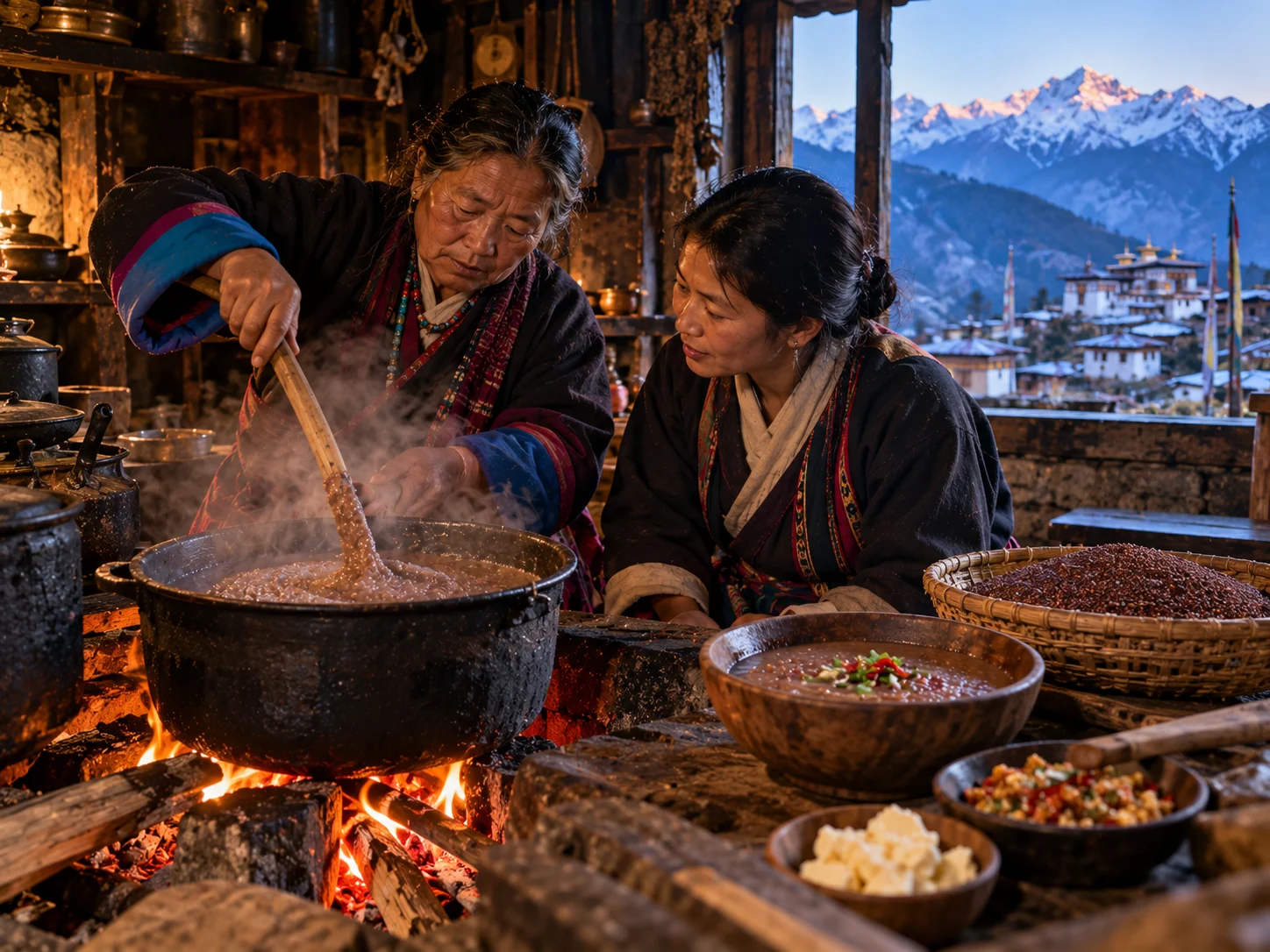
Watching a local grandmother cook this dish is like watching an artist paint a beautiful picture. She does not use any fancy electronic gadgets or complicated measuring cups. She trusts her eyes and her hands completely. The process begins by taking a thick iron pot and placing it directly over the crackling wooden fire.

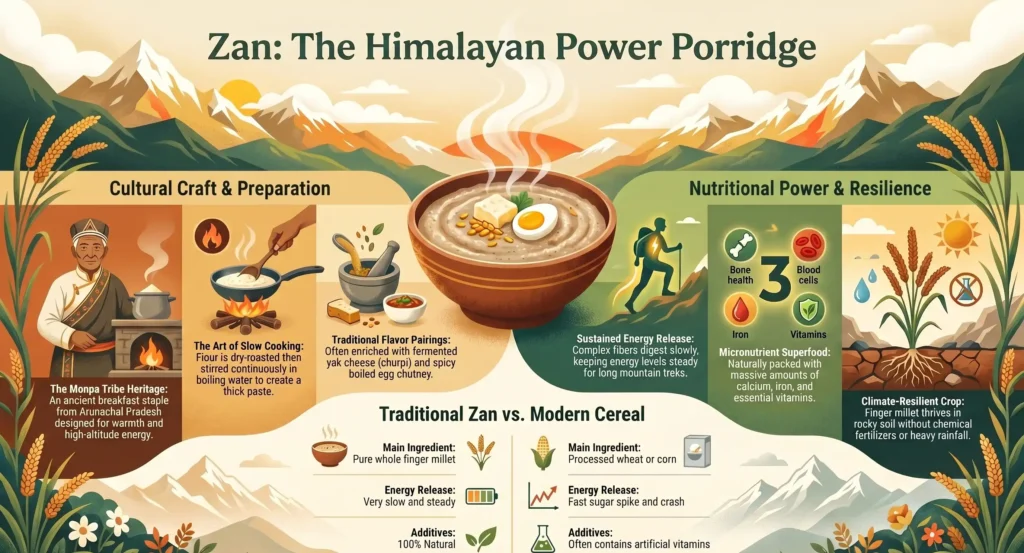
First she roasts the dry flour until it releases a rich and heavy aroma that fills the entire room. Then she slowly pours pure boiling water into the pot. This is the most difficult part of the cooking process. She must stir the mixture continuously with a long wooden spoon to make sure there are absolutely no lumps. As she stirs the mixture slowly transforms from a thin liquid into a thick bubbling paste. It looks very similar to mashed potatoes but it has a beautiful dark earthy color.

Flavors and Colorful Side Dishes

A simple bowl of plain porridge is already very tasty but the mountain mothers love to add extra magic to the pot. Sometimes they drop fresh green spinach bright orange carrots and sweet green peas directly into the bubbling mixture. These vegetables are usually grown right in their own small backyard gardens.

For extra warmth and rich flavor they might stir in a small spoonful of golden ghee or a piece of local fermented cheese called churpi. This special cheese has a very strong sour taste that perfectly balances the nutty flavor of the flour. Programs supported by the Ministry of Development of North Eastern Region help bring these hidden culinary treasures to the rest of the country so more people can taste these amazing combinations.

READ MORE:  Sangam Period: When Tamil Literature and Trade Flourished

The Special Egg Chutney

No traditional breakfast plate here is complete without a spicy side dish. The most popular companion for the thick porridge is a very special local dip. The villagers boil fresh farm eggs and mash them together with lots of fiery ginger and green chilies. The heat from the ginger combined with the heavy porridge creates a small fire in your belly. It instantly warms your entire body and prepares you to face the freezing winds outside.

The Power of Tribal Nutrition

There is a very good reason why the elders in these villages live long and highly active lives. The food they eat is pure medicine. Global groups like the Food and Agriculture Organization highlight millets as a vital crop for the future because they are packed with calcium iron and necessary vitamins.

When a herder eats a large bowl of this thick meal in the morning he does not feel hungry for the rest of the entire day. The complex natural fibers digest very slowly keeping his energy levels perfectly steady while he climbs steep rocky hills to graze his animals. This is a brilliant nutritional strategy that modern science is finally beginning to understand. The World Health Organization promotes whole grains to combat modern lifestyle diseases and this ancient recipe fits that advice perfectly.

Preserving the Culinary Heritage

As the modern world moves faster every single day many young people are forgetting the cooking secrets of their grandparents. They prefer to buy instant noodles or packaged biscuits from small corner shops because it saves a lot of time. However these packaged foods do not have the soul or the nutrition of a freshly cooked meal.

Thankfully a wonderful revival is happening. Local community leaders and wise village elders are starting to teach the younger generation the importance of their native food. They teach the youth that eating their traditional food is a powerful way to protect their unique identity. The Ministry of Food Processing Industries recognizes the immense health benefits of traditional recipes like this and supports bringing them into modern homes. When a young boy or girl learns how to cook this hearty meal they are literally keeping their ancient culture alive. They are making sure that the warm inviting smell of roasted flour never disappears from the beautiful mountain valleys.

Quick Comparison Table

FeatureTraditional MealModern Cereal
Main GrainPure whole finger milletProcessed wheat or corn
Cooking MethodSlow cooked over fireFactory processed and boxed
Energy ReleaseVery slow and steadyFast sugar spike and crash
Nutritional ValueMassive natural calcium and ironOften artificially added vitamins

Curious Indian Fast Facts

  • The Monpa people consider offering a warm bowl of porridge to a tired guest as the highest form of respect.
  • Finger millet is naturally completely free of gluten making it a fantastic choice for people with sensitive stomachs.
  • In the old days travelers would carry dry roasted flour in small leather pouches to mix with hot water during long mountain journeys.
  • The special fermented cheese added to the dish is made from the milk of yaks that graze on high altitude medicinal mountain herbs.
  • Because the crop requires very little water it is considered one of the most environmentally friendly foods on the entire planet.
READ MORE:  Understanding Donyi Polo Religion Today

Conclusion

The story of this simple and hearty meal is a beautiful lesson in survival and gratitude. The towering mountains of the northeast are incredibly majestic but they are also very unforgiving. To thrive in such a difficult place the local people had to build a deep and respectful partnership with nature. They found their absolute strength in a tiny resilient seed and turned it into a daily bowl of pure comfort.

When we explore the rich and diverse foods of India we often look for complicated spices or expensive royal recipes. But true culinary magic often lies right inside the most humble village kitchens. This mountain porridge is a perfect example of how combining simple ingredients with immense patience and love can create something truly extraordinary. It deeply nourishes the physical body and completely warms the human soul. The next time you want a healthy and filling breakfast try bringing a little bit of the eastern Himalayas into your own home. You will easily discover that the greatest health secrets have always been waiting for us in the ancient traditions of the tribal communities.

If you think you have remembered everything about this topic take this QUIZ


Results

Share your score!
Tweet your score!
Tweet your score!
Share to other
QUIZ START

#1. Which specific tribe from the high mountains of Arunachal Pradesh is famous for making Zan porridge?

Previous
Next

#2. What is the primary ancient grain used to make the flour for this porridge?

Previous
Next

#3. What is the first step a traditional cook takes when preparing the flour for Zan?

Previous
Next

#4. What is ‘churpi’, an ingredient often added to the porridge for extra flavor?

Previous
Next

#5. Why is this dish considered ideal for farmers and herders who perform heavy physical labor?

Previous
Next

#6. Which side dish is traditionally served with the porridge to provide internal warmth?

Previous
Next

#7. What environmental benefit of growing finger millet is mentioned in the text?

Previous
Next

#8. According to the “Quick Comparison Table,” how does the energy release of Zan compare to modern cereal?

Previous
Finish

What exactly is the main ingredient of this traditional dish?

The primary ingredient is finger millet flour which is locally grown in the hills and known for its incredibly high nutritional value.

Is this porridge supposed to be sweet or savory?

While you can add milk and sugar it is traditionally eaten as a savory meal cooked with local green vegetables, salt and sometimes fermented cheese.

Who traditionally eats this meal?

It is the staple daily breakfast of the Monpa tribe who live in the high altitude districts of Arunachal Pradesh.

Can I make this dish at home easily?

Yes it is very simple to make. You just need to roast some ragi flour and slowly whisk it into boiling water until it forms a smooth thick paste.

Why is this meal so good for heavy physical work?

The complex carbohydrates in the flour break down very slowly in the stomach providing steady long lasting energy for people who walk up steep mountains all day.

Tags: Arunachal PradeshHealthy EatingMillet RecipesTraditional FoodTribal Culture
ShareTweetPin
paripurnadatta

paripurnadatta

Related Posts

Deendayal Upadhyaya
Cultural Insights

The Heritage Of Northeast India Local Brews Unveiled

April 16, 2026
Meira Paibis
Indian History

The Powerful Meira Paibis Legacy In Northeast India

April 16, 2026
Act East Policy India
Historical Events & Turning Points

The Act East Policy India And Northeast Connections

April 16, 2026
No Result
View All Result

Stay Updated

  • Trending
  • Latest
Life of Mahavira: From Prince Vardhamana to Great Conqueror

Life of Mahavira: From Prince Vardhamana to Great Conqueror

April 11, 2026
Life of Buddha: The Journey to Enlightenment

Life of Buddha: The Journey to Enlightenment

April 11, 2026
Christmas in India

Christmas in India: A Festive Blend of Faith, Flavors, and Tradition

April 11, 2026
From Shimla to Stardom: The Complete Biography of Anupam Kher

From Shimla to Stardom: The Complete Biography of Anupam Kher

April 11, 2026
Deendayal Upadhyaya

The Heritage Of Northeast India Local Brews Unveiled

April 16, 2026
Zan millet porridge

Discovering The Hearty Zan Millet Porridge

April 16, 2026
Meira Paibis

The Powerful Meira Paibis Legacy In Northeast India

April 16, 2026
Act East Policy India

The Act East Policy India And Northeast Connections

April 16, 2026

Widget Title

Facebook Twitter Youtube RSS
Curious Indian Logo

Explore the soul of Bharat with Curious Indian. A definitive guide to Indian history, arts, culture, biographies, and the events that defined our future.

Follow us on social media:

Recent News

  • The Heritage Of Northeast India Local Brews Unveiled
  • Discovering The Hearty Zan Millet Porridge
  • The Powerful Meira Paibis Legacy In Northeast India

Category

  • Ancient Civilizations & The Vedic Age
  • Architecture
  • Artists & Cultural Icons
  • Arts & Culture
  • Battles of India
  • Biography
  • Business & Industrialists
  • Colonial India
  • Cultural Insights
  • Dance & Music
  • Entertainment Personalities
  • Festivals of India
  • Freedom Fighters
  • Freedom Movement
  • Historical Events & Turning Points
  • Indian History
  • Indian Politics
  • Major Festivals
  • Medieval India
  • North East India
  • Paintings & Visual Arts
  • Political Leaders
  • Post-Independence India
  • Regional Culture
  • Religious & Spiritual Figures
  • Science Personalities
  • Scientific Discoveries
  • Sculpture
  • Social Issues
  • SOCIETY & MYSTERIES
  • Textiles & Handicrafts
  • Uncategorized
  • Unsolved India
  • Unsung Heroes

© 2026 Curious Indian- Everything about India

Welcome Back!

Login to your account below

Forgotten Password?

Retrieve your password

Please enter your username or email address to reset your password.

Log In

Add New Playlist

No Result
View All Result
  • Arts & Culture
  • Festivals of India
  • Indian History
  • Indian Politics
  • Biography
    • Entertainment Personalities
    • Science Personalities

© 2026 Curious Indian- Everything about India

This website uses cookies. By continuing to use this website you are giving consent to cookies being used. Visit our Privacy and Cookie Policy.
Are you sure want to unlock this post?
Unlock left : 0
Are you sure want to cancel subscription?
×