How a foreign import became a Made-in-India dream in Sivakasi
Open a kitchen drawer almost anywhere in India and you will find one. A little cardboard box, light as nothing, with a rough strip down the side. Strike a stick against it and a small flame jumps up. A matchbox. You use it and forget it in the same second.
That tiny box was once a battlefield. Not a place of guns, but a place of pride. For a while, this ordinary thing in your drawer carried the whole dream of a free India that could make its own goods with its own hands.
Here is how a matchbox became a small flame of freedom.
A box that came from far away
The match we use today was invented in Europe. The “safety match,” the kind that only lights when you strike it on the special strip on the box, was worked out in Sweden in 1855.
For a long time, India made almost none of its own. The matches sold in Indian shops came by ship from Sweden and, more and more, from Japan. Indians struck a foreign flame every time they lit a stove or a lamp.
Until 1914, matches from Japan met about half of India’s needs, and matches from Sweden met about a third. Almost the entire market belonged to other countries.
The first matches actually made inside India came around 1910, in Calcutta, set up by Japanese families who had settled there. So even the earliest “Indian” matches were mostly a foreign craft on Indian soil. For a country this large, that was a quiet embarrassment.
Partition of Bengal 1905: Lord Curzon’s Blunder and Rise of Swadeshi
The word that lit the fire
In 1905, the British cut the province of Bengal in two. The anger this caused gave birth to a powerful idea called swadeshi, which simply means “of our own country.”
The idea was easy to understand and hard to argue with. Stop buying foreign goods. Make your own, buy your own, and keep your own money at home. Years later, Gandhi would call swadeshi the “soul of swaraj,” or self-rule.
Matches were a perfect target for this idea. They were small, cheap, used by everyone, and almost entirely brought in from abroad. If Indians could make their own matches, they could prove that self-reliance was not just a fine speech. It could sit in every kitchen drawer.
The pictures on the box
Before India could make matches easily, it did something clever with the boxes themselves.
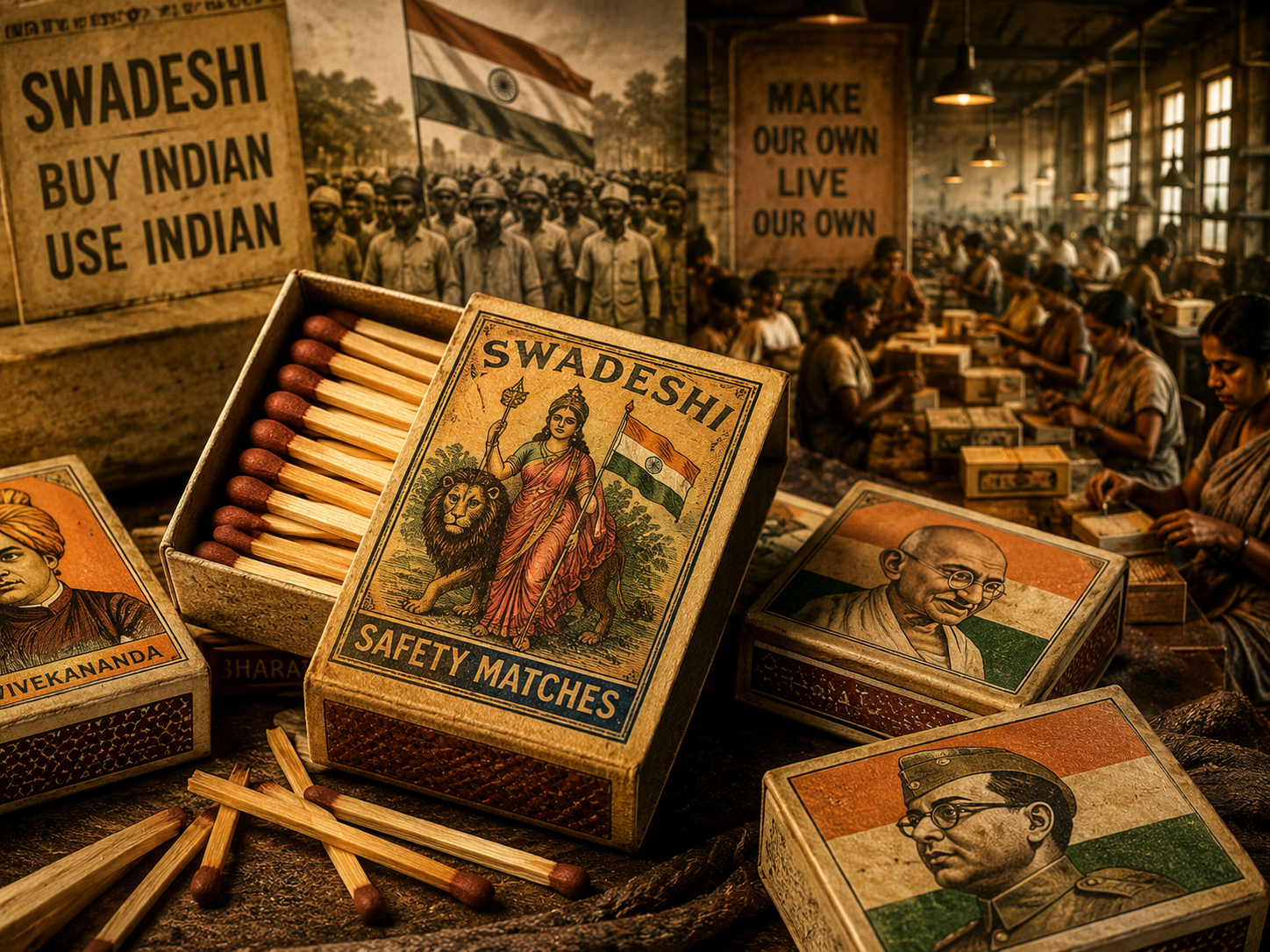
The little paper label pasted on a matchbox is a tiny space, no bigger than a stamp. But from 1905 right up to freedom in 1947, that space became a poster for the freedom movement. Match labels began to carry the faces of national leaders and the symbols of the cause.
People struck matches printed with Gandhi, with Subhas Chandra Bose, with Swami Vivekananda, with Bharat Mata and the flag. A poor person who could never buy a painting or a newspaper still held these images in his hand every single day. The humble matchbox became one of the cheapest and widest ways to spread the idea of a free nation.
Bharat Mata: How Abanindranath Tagore Painted the Soul of a Nation
Two cousins and a dry town
The real turning point came from a hot, dry town in the south called Sivakasi, in Tamil Nadu.
Sivakasi had poor soil and very little rain. Farming often failed, and families went hungry. In the early 1920s, two cousins from there, P. Ayya Nadar and A. Shanmuga Nadar, left for faraway Calcutta to look for work.
In Calcutta they found match factories, and they spent about eight months quietly learning how matches were made. Then they carried that knowledge home. They set up a factory in Sivakasi with machines brought all the way from Germany.
But the machines were expensive, and the money ran short. So the cousins made a choice that fit the mood of the times. Following Gandhi’s call for small home-based industry, they put the costly machines aside and switched to making matches by hand, using the cheap local labour their dry region had plenty of.
In 1926 the two cousins split and started separate factories. Ayya Nadar’s brand used a squirrel as its symbol, and Shanmuga Nadar’s used a crow. Their little marks are still known in the trade today.
How Abanindranath Tagore Built a Distinctly Indian Art Movement
Little Japan
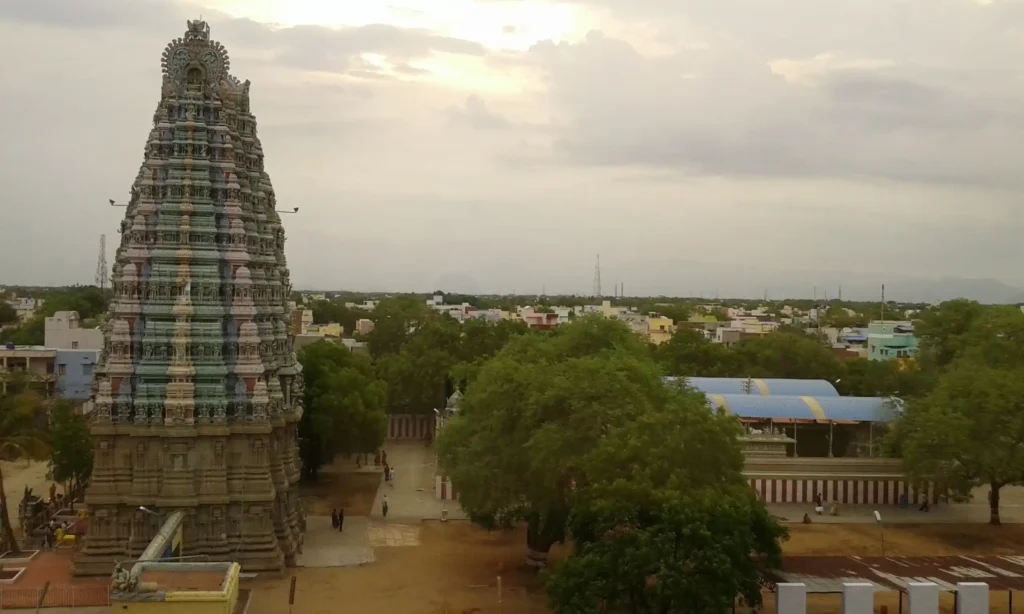
Sivakasi turned out to be perfect for the job. Its dry air helped the matches dry quickly, its labour was cheap, and raw materials came from nearby Kerala.
Match units began to spring up all around the town, run by ordinary local families. Sivakasi grew so fast and so busy that people gave it a nickname: “Kutti Japan,” or Little Japan, after the country whose matches it was learning to replace.
The match trade then gave birth to two more. Making the boxes needed printing, so litho-printing presses opened in Sivakasi. And the same skills used for the chemicals in a match head were turned to fireworks. A dry, hungry town became one of the busiest workshops in India, all starting from a matchstick.
The giant they were up against
The small handmade makers were not alone in the market. They faced a giant.
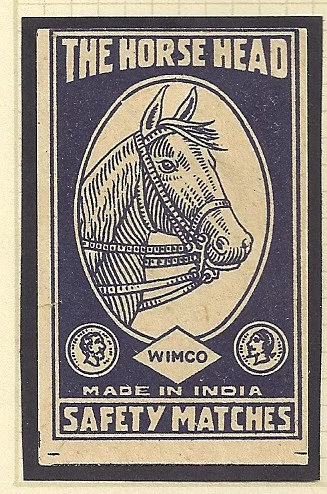
In 1924, a big Swedish company, Swedish Match, set up WIMCO, the Western India Match Company, inside India. WIMCO had large machines and for years held a near-monopoly on factory-made matches. Its brands were sold across the country.
To help Indian makers stand against cheap foreign matches and the big company, the government in the late 1920s placed protective taxes on imported matches. Slowly, the balance shifted. The handmade match makers of the south grew stronger, and over the decades the small units of Sivakasi and its neighbours took over most of the country’s match production. The dream of making our own had, in the plainest way, come true.
The flame that is still burning
Today Sivakasi is still the match and firework capital of India, producing a huge share of the country’s supply. That is a real success story, born from swadeshi.
But honesty matters here. The same town has a hard side that should not be hidden. Sivakasi has long struggled with dangerous working conditions, with pollution, and with the use of child labour in its match and firework units. The small flame of self-reliance has, at times, burned the very hands that make it. A proud story and a troubling one live in the same place.
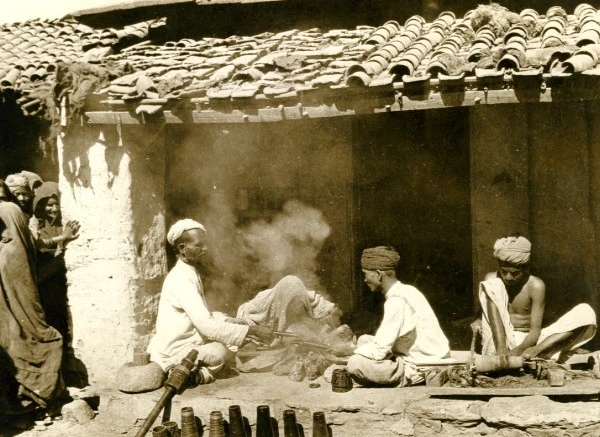
The box in your drawer
Indian National Congress (1885): Safety Valve Became a Freedom Engine
So the next time you pull out that little cardboard box and strike a match, look at it for one more second.
That flat, forgettable thing was once made abroad and shipped to a country that could not yet make its own. Then an idea called swadeshi, two cousins from a dry town, and thousands of ordinary workers turned it into something India made for itself. And for forty years, boxes just like it carried the faces of the people fighting for freedom into millions of homes.
The smallest object in the kitchen once held one of the biggest dreams of all: the wish to make our own things, in our own land, with our own hands.
If you think you have remembered everything about this topic take this QUIZ
Results


#1. Where was the “safety match” invented in 1855?
#2. Until 1914, which country met about half of India’s match needs?
#3. What political event in 1905 gave birth to the swadeshi idea?
#4. How did matchboxes serve the freedom movement before India could easily manufacture them?
#5. Where did the two cousins, P. Ayya Nadar and A. Shanmuga Nadar, go to learn how matches were made?
#6. Why was Sivakasi’s climate ideal for match-making?
#7. What nickname was given to Sivakasi because of its rapid industrial growth in match-making?
#8. Which large foreign company set up WIMCO (Western India Match Company) inside India in 1924?
How did the matchbox industry start in India?
The earliest match factories in India were set up around 1910 in Calcutta by Japanese immigrant families. However, the true indigenous industry began in the 1920s when two cousins, P. Ayya Nadar and A. Shanmuga Nadar, learned the trade in Calcutta and brought it back to their dry hometown of Sivakasi.
What role did matchboxes play in the Indian independence movement?
During the swadeshi movement, matches became a perfect target for boycotting foreign goods in favor of self-reliance. Additionally, the tiny paper labels on matchboxes were printed with faces of national leaders like Mahatma Gandhi and Subhas Chandra Bose, serving as miniature, affordable posters for the freedom struggle.
Why is Sivakasi called Little Japan?
Sivakasi earned the nickname “Kutti Japan,” or Little Japan, because of its rapid industrial growth in the 1920s and 30s. The town’s booming cottage industry successfully replaced the foreign matches that India had previously been importing largely from Japan.
What are the squirrel and crow matchbox brands?
In 1926, the two Nadar cousins who pioneered the Sivakasi match industry split to start separate factories. Ayya Nadar’s brand used a squirrel as its symbol, and Shanmuga Nadar’s used a crow—marks that remain recognizable in the Indian match trade today.
Are matches still made in Sivakasi today?
Yes, Sivakasi remains the match and firework capital of India, producing a massive share of the country’s supply. However, alongside this success, the town has historically struggled with serious issues like dangerous working conditions, pollution, and child labor.
Sources and references
- Live history india (“Swadeshi Through Matchboxes”) — the safety match invented in Sweden in 1855, matches first made in India around 1910 by Japanese immigrants in Calcutta, matchbox labels carrying Gandhi, Bose, Vivekananda and Bharat Mata from 1905 to 1947, WIMCO opening in 1924 as a Swedish firm and being bought by ITC in 2004, and Gandhi’s phrase calling swadeshi the “soul of swaraj.”
- Madras Musings (“Ayya and Shanmugam who steered Sivakasi into becoming a mini-Japan”) — Japan meeting about half and Sweden about a third of India’s match needs until 1914, the Japanese monopoly after World War I, the Nadar cousins starting the industry in the mid-1920s, the “mini-Japan” nickname, and the first Sivakasi printing press.
- Science History Institute (“Matchmaking in Colonial India”) — the use of nationalist imagery and local legends on labels, Sivakasi producing about 90% of India’s firecrackers today, and the town’s problems with workplace safety, child labour and pollution.
- FAO case study on the Indian safety match industry — the first Indian sulphur match in 1923 and safety match in 1932, mechanization arriving with WIMCO in 1924, the Nadars learning the trade in Calcutta, and the handmade sector’s rising share of the market.
- The Dollar Business (“Safety Matches”) and redscarab travel notes — Sivakasi’s drought-driven origins, the cousins learning match-making in Calcutta and setting up units from 1922, the shift from imported German machines to handmade cottage production, and the squirrel and crow brand symbols.
- Wikipedia (“Ayya Nadar”) — Ayya Nadar’s birth in Sivakasi in 1905, the German machines, the move into fireworks and printing, and the 1926 split into the Anil (squirrel) and Standard (crow) brands.
Author


Exploring the Soul of Bharat through History, Science, Culture, and its Diversity
Our Mission
Curious Indian is a definitive knowledge portal dedicated to chronicling the events, personalities, and cultural shifts that defined the Indian subcontinent. From the ancient Vedic Period to the complexities of 21st-century politics, our goal is to provide deep-dive analysis that inspires.
Editorial Standards & E-E-A-T
Every article published under our brand undergoes a rigorous fact-checking process. We prioritize primary historical records, academic citations, and credible archives to ensure our readers receive accurate, high-authority information.
Historical Integrity Directly sourcing from ASI archives and academic journals.Topical Authority Comprehensive clustering of Indian Science, Biographies, and Wars.Managed by Paripurna Datta and TEAM | Dedicated to the Knowledge of India.