Why the Aryan invasion theory was wrong and how a changing climate quietly unmade a great civilization
When a great civilization comes to an end, we usually expect a great crime to go along with it: an invading army, a burning city, a last desperate battle in the streets. We want a villain.
For a very long time, that is exactly the story people told about the Indus Valley Civilization, one of the greatest the ancient world ever saw. The tale went that fierce invaders swept in and slaughtered them. But that story turned out to be wrong. The truth about how the Indus ended is stranger, and quieter, and in its own way far sadder. Nobody killed them at all. This is the mystery of a civilization that was not conquered, but simply, slowly, let go.
The accusation
The dramatic version of the story came from a famous British archaeologist named Mortimer Wheeler, back in the 1940s.
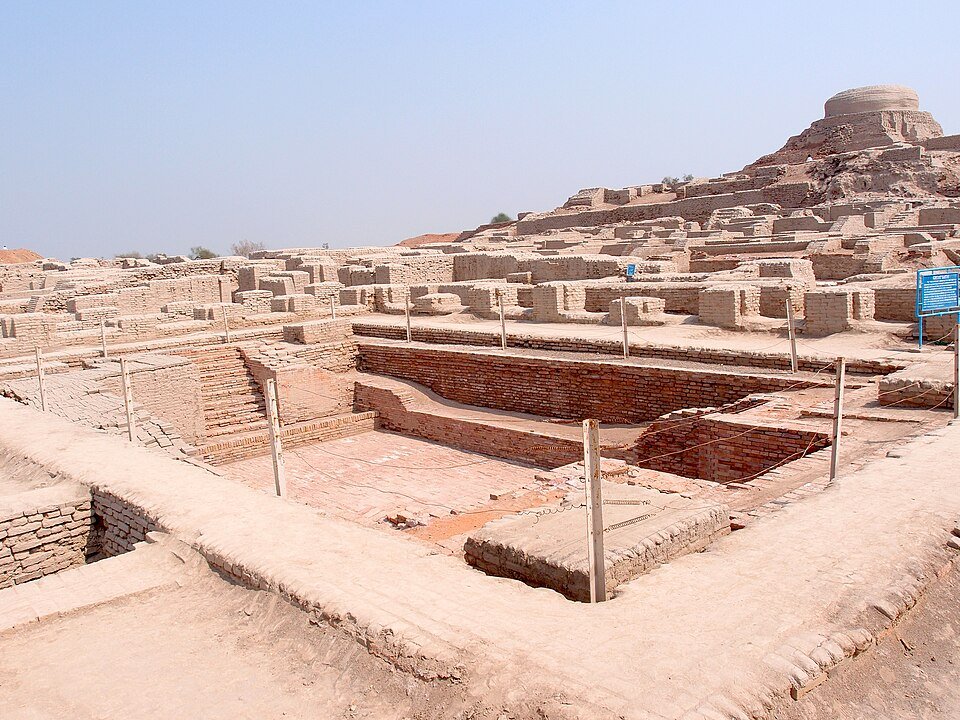
Digging in the ruins of the great city of Mohenjo-daro, he found something that looked chilling: scattered human skeletons lying in the streets and houses, not carefully buried, but sprawled where they seemed to have fallen. From this, Wheeler pieced together a gripping tale. A warlike people, he said, called the Aryans, had come sweeping down from the northwest with horses and better weapons, and had massacred the gentle, peaceful Indus people right there in their own streets. He even pointed an accusing finger at a god. In the old hymns of the Aryans, their god Indra is praised as the “destroyer of forts,” and Wheeler decided this was a distant memory of the real forts of the Indus being smashed to pieces.
It was a vivid and satisfying story of conquest and slaughter. And, as it slowly turned out, almost none of it was actually true.
Later Vedic Period c. 1000-600 BCE: The Age of Iron and Kingdoms
Dr. Salim Ali: The Man Who Taught India to Look at the Skies
The case falls apart
When later scholars examined the evidence closely, Wheeler’s whole murder case quietly fell to pieces.
The skeletons he had found, it emerged, had not all died at the same time at all. They came from different layers of the ruins, spread across many years, which meant they could not possibly be the victims of one single massacre. Not one of them was found up on the fortified mound, which is exactly where the last stand of any great battle should have taken place. Some of the bones even showed old wounds that had healed over, meaning those people had not died in any final fight. And at no Indus city anywhere, in all the digging, was there any real sign of a war: no burned wreckage of a conquest, no smashed defences, none of the ruin that an invasion always leaves behind.
Worst of all for the theory, the Indus cities had already begun to decline and empty out well before the newcomers are thought to have arrived at all.
You cannot be murdered by someone who has not yet turned up. The Indus cities were already fading before any newcomers reached them.
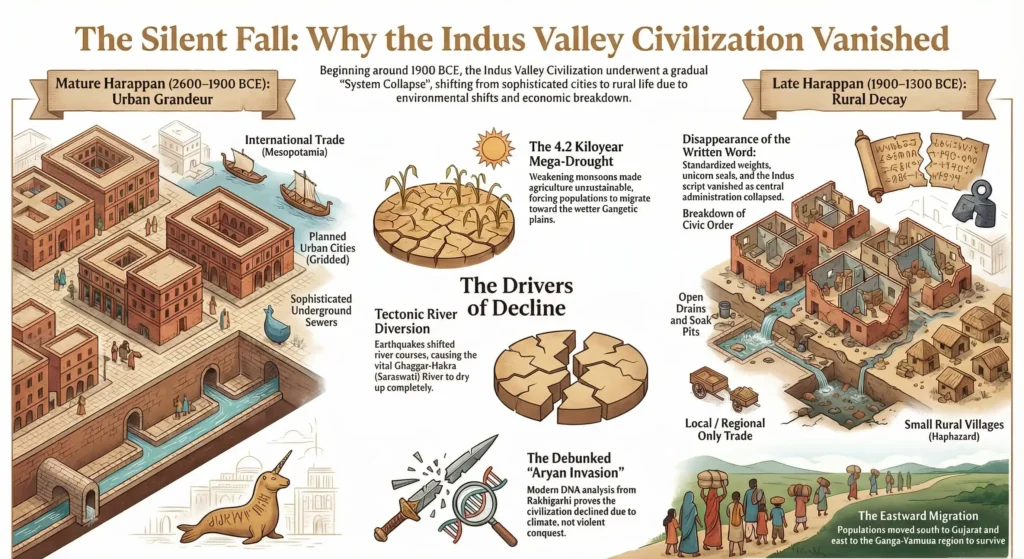
Modern studies of ancient DNA have since confirmed it. The Indus people were not wiped out and replaced by anyone. They were the native people of that land, and their descendants are still living there today. The newcomers, it seems, did not storm and conquer a mighty civilization. They simply wandered, slowly and much later, into the quiet countryside that it had already left behind.
The real culprit: the sky and the river
So if no army brought the Indus down, then what on earth did? The answer, it now seems, was not an enemy at all. It was the land itself, slowly and silently turning against its own people.
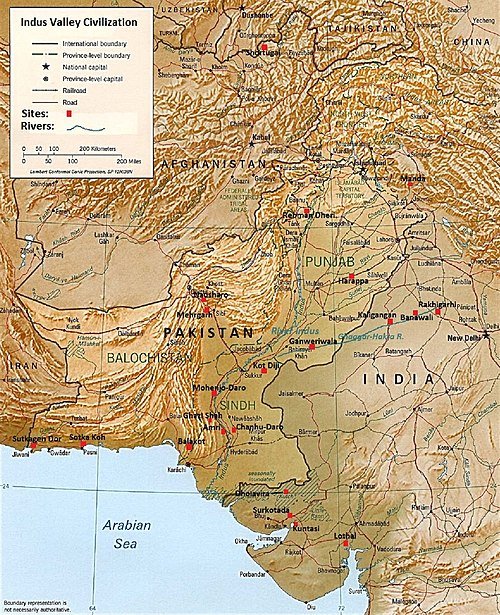
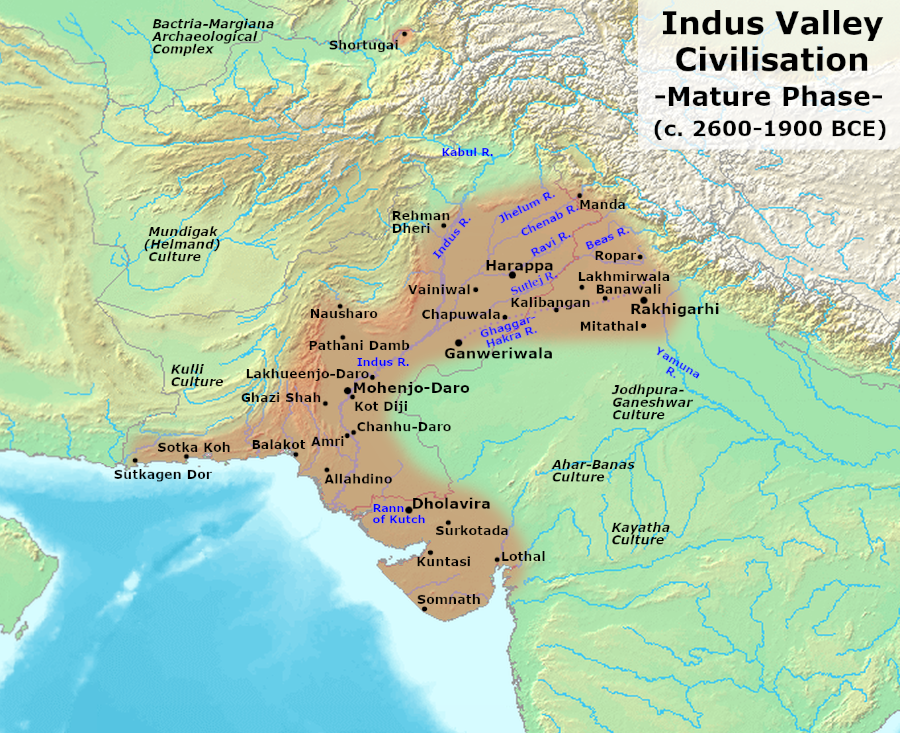
These great cities had all been built upon a single promise: that the rivers would keep flowing and the rains would keep coming. For many centuries, they did. And then, across a long, slow age, they stopped keeping that promise. The seasonal monsoon rains that watered the fields grew weaker and drifted away eastward. And one of the great river systems the people depended on, along whose banks so very many of their towns had been built, began to dry up and wander away from its old course.
No army brought the Indus down. Its own rivers slowly dried and shifted, and its rains faded, until the fields could no longer feed the cities.
As the water failed, the harvests failed with it. And no city, however clever, can live for long without food.
Rise of Jainism and Buddhism 6th Century BCE
The slow unravelling
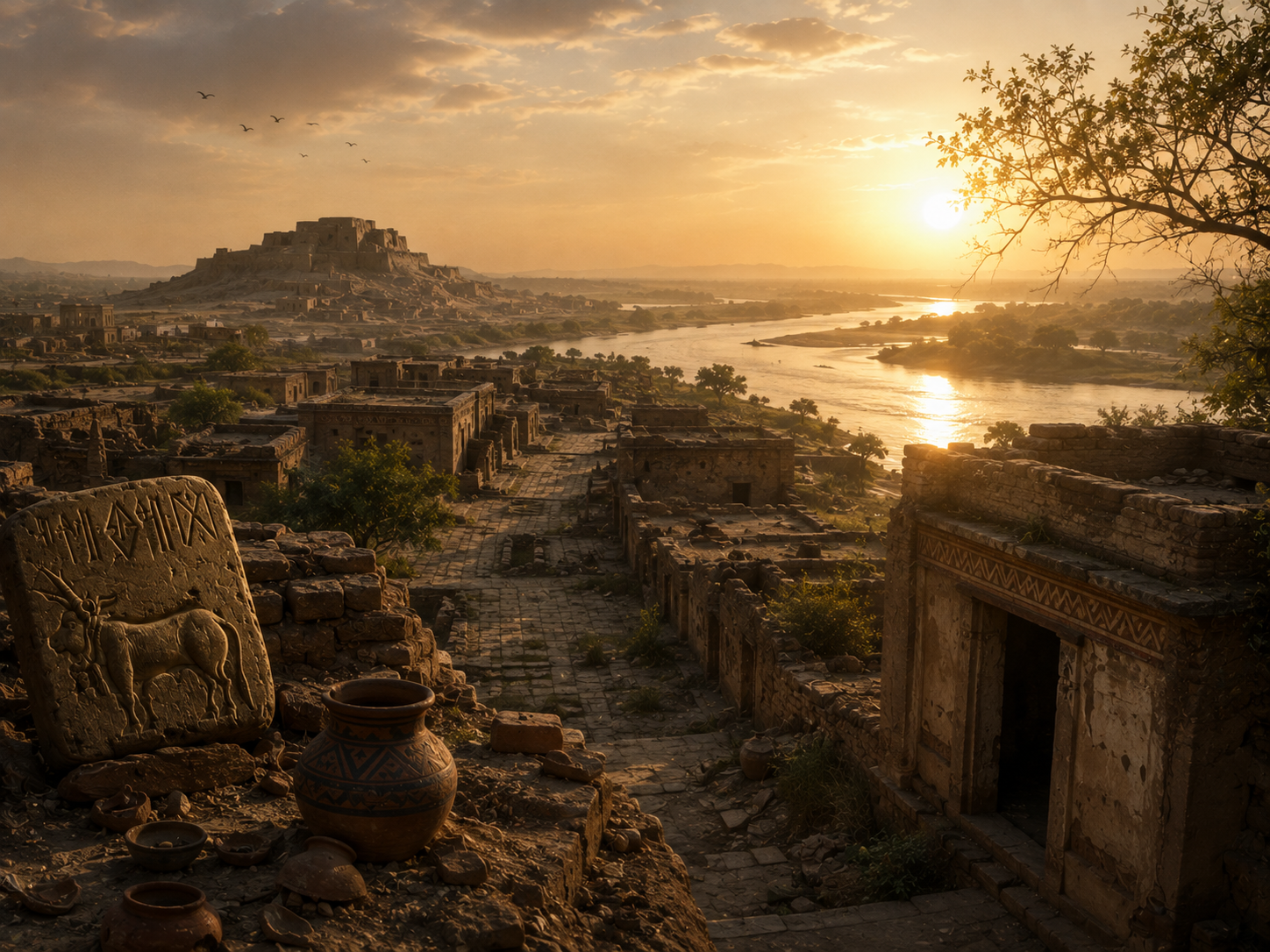
This was not a sudden death. It happened so gradually that you can actually watch it unfold, layer by layer, in the ruins themselves, and it is a strange and moving thing to see.
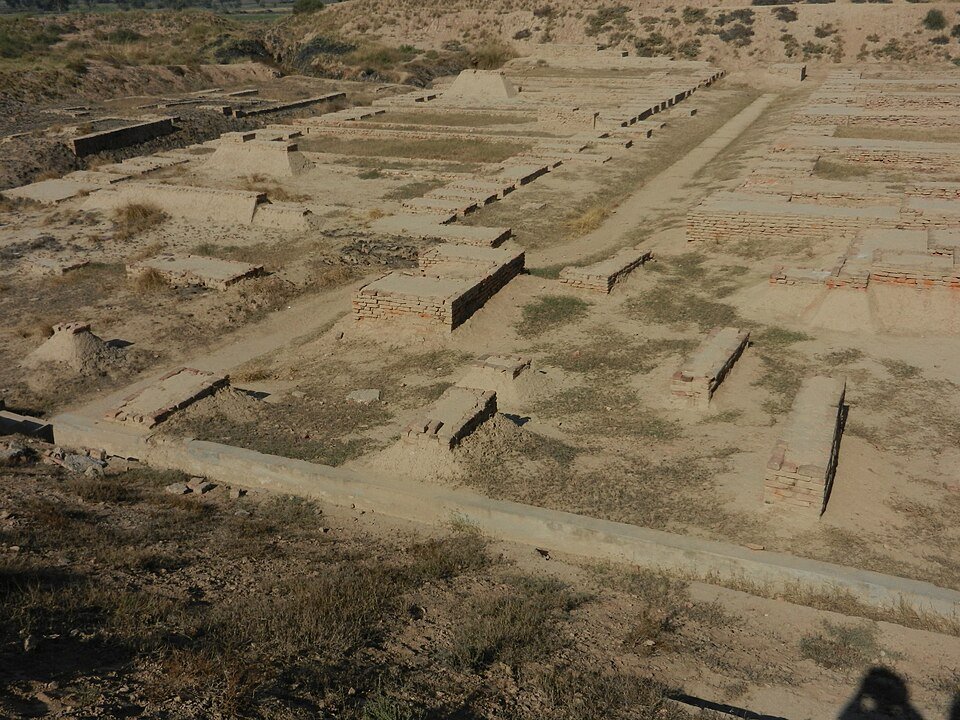
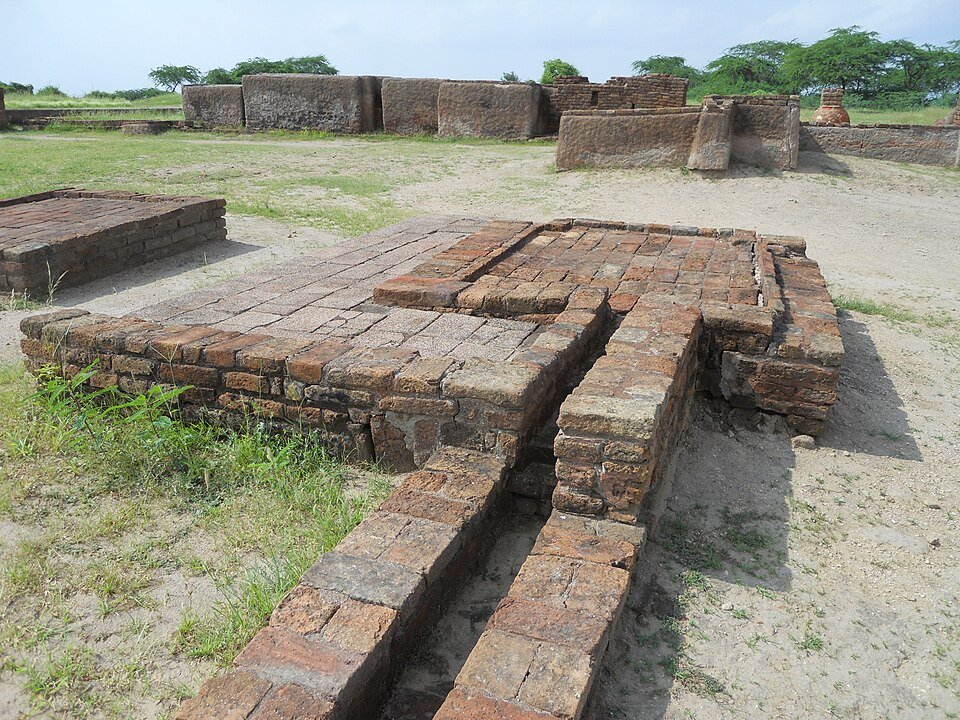
In their great days, the cities of the Indus were astonishingly neat and orderly. Every brick was the same size, and every street ran clean and straight. But in the final centuries, that beautiful order visibly comes apart. The fine, large houses get chopped up into small, cramped little rooms. New walls shove outwards into the once-spotless streets. Broken old bricks are scavenged from ruins and reused in shoddy new buildings. Pottery kilns, which had always been carefully kept away from where people lived, suddenly appear right in the middle of the neighbourhoods.
Brick by reused brick, in the silent evidence of the ground, you can watch one of the world’s great civilizations slowly losing its grip.
Early Vedic Period c. 1500-1000 BCE: The Age of the Rigveda
Where everyone went
And here is the most important part of the whole story, the part that turns it from a pure tragedy into something a little gentler. The people of the Indus did not vanish from the face of the earth. They left.
As their cities dried out and emptied, the people packed up and moved. They went mostly eastward, towards the great plains of the Ganga, and southward too, always searching for water and for land that could feed their families. They gave up their big, complicated cities and returned to a simpler life in small farming villages. The grand civilization dissolved away, but the people themselves flowed onward, like the very rivers they were following, and settled fresh new lands.
The people of the Indus did not die out. They migrated east and south, became villagers once more, and their descendants still live all across the subcontinent today.
The Indus did not truly die. It scattered, and it slowly became something new.
A quiet kind of ending
There is a strange and important lesson tucked away inside this quiet ending.
We like to believe that the great and clever things we build will last forever, and that if they ever do fall, it will be to some dramatic enemy that we can see coming and fight. The Indus gently tells us otherwise. Here was one of the most advanced civilizations of the entire ancient world, with its perfect cities and its running water and its long, unbroken peace. And in the end it was undone by nothing more dramatic than a few centuries of failing rain, and a river that quietly changed its mind. No villain. No war. Just a slow, patient shift in the sky and in the soil, against which even the mightiest city on earth had no answer at all.
It is worth remembering, in our own age, that this is how a world most often ends. Not with a bang, but with a drought.
Indus Valley Civilization: The Lost Urban Utopia
If you think you have remembered everything about this topic take this QUIZ
Results


#1. Unlike the sudden collapse of Pompeii, how do modern historians describe the end of the Indus Valley cities? .
#2. Which climatic event, occurring around 2200 BCE, is cited as a primary driver for the mega-drought that affected the Harappans?
#3. What did the 2019 Rakhigarhi DNA study reveal about the ‘Aryan Invasion’ theory?
#4. In the ‘Late Harappan Phase,’ what happened to the sophisticated gridded streets of the mature cities?
#5. Which of these cultural traditions is believed to have survived the fall of the cities and carried over into modern Hinduism?
#6. What does the name ‘Mohenjo-daro’ literally mean in the Sindhi language?
#7. According to the comparison table, how did ‘Trade’ change during the Late Harappan Phase?
Did the Indus Valley Civilization disappear completely?
No, it de-urbanized. The people migrated to the east and south, transitioning from city life to village life.
Was there an Aryan invasion?
Modern evidence suggests there was no massive violent invasion. The Aryans likely migrated gradually after the cities had already declined due to environmental factors.
What was the main cause of the decline?
Climate change, specifically the weakening of the monsoon and the drying up of the Saraswati (Ghaggar-Hakra) river.
When did the decline start?
The decline began around 1900 BCE.
What is the 4.2 Kiloyear Event?
It was a severe global drought around 2200 BCE that affected civilizations in Egypt, Mesopotamia, and the Indus Valley.
Sources and references
- Lumen Learning / Boundless World History (“Disappearance of the Indus Valley Civilization”) — Mortimer Wheeler’s Aryan invasion theory based on unburied skeletons at Mohenjo-daro, the swift dismissal by other scholars who identified them as hasty burials rather than massacre victims, and the eastward shift of the monsoons drying up the water supply.
- Self Study History (“Decline and survival of the Indus Valley Civilisation”) — the refutation of the invasion theory by scholars such as B.B. Lal, George Dales and P.V. Kane, the skeletons belonging to different phases, the absence of any battle evidence on the citadel, and decline setting in by around 2200–2000 BCE.
- English Curiosity (“Decline of the Indus Civilization”) — the abandonment of Harappa and Mohenjo-daro by around 1700 BCE, the visible decay of civic order in the late phases (partitioned houses, encroached streets, reused bricks, kilns in residential areas), and the drying of the Ghaggar-Hakra.
- Original Curious Indian article (“Decline of the Indus Valley Civilization”) — the modern rejection of the invasion theory, the healed skeletons and mixed time layers, the Indo-Aryan migration (after the decline, not a conquest), and the 2019 Rakhigarhi DNA study showing no Steppe ancestry in the mature Harappans.
- General archaeological consensus — the gradual, multi-causal decline through climate change and river shifts, the de-urbanisation into smaller village settlements, and the migration of the population eastward and southward.
Author


Exploring the Soul of Bharat through History, Science, Culture, and its Diversity
Our Mission
Curious Indian is a definitive knowledge portal dedicated to chronicling the events, personalities, and cultural shifts that defined the Indian subcontinent. From the ancient Vedic Period to the complexities of 21st-century politics, our goal is to provide deep-dive analysis that inspires.
Editorial Standards & E-E-A-T
Every article published under our brand undergoes a rigorous fact-checking process. We prioritize primary historical records, academic citations, and credible archives to ensure our readers receive accurate, high-authority information.
Historical Integrity Directly sourcing from ASI archives and academic journals.Topical Authority Comprehensive clustering of Indian Science, Biographies, and Wars.Managed by Paripurna Datta and TEAM | Dedicated to the Knowledge of India.