The Kakori Martyr Who Died for a United India
There is one moment in this man’s life that is hard to forget.
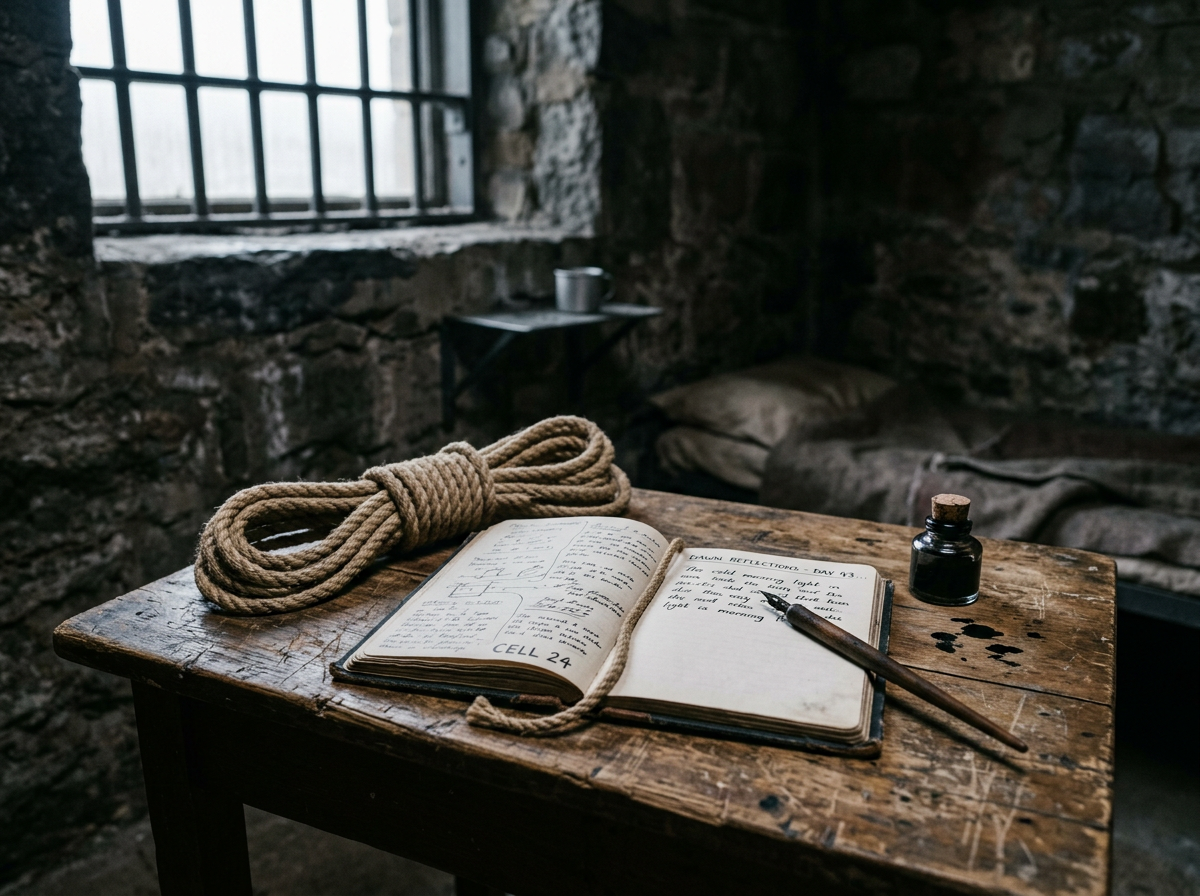
He is sitting in a prison cell. A police officer walks in and offers him a deal. Betray your best friend, say a few words against him in court, and you can walk free. Go home. Live. He says no. And by saying no, he chooses to be hanged.
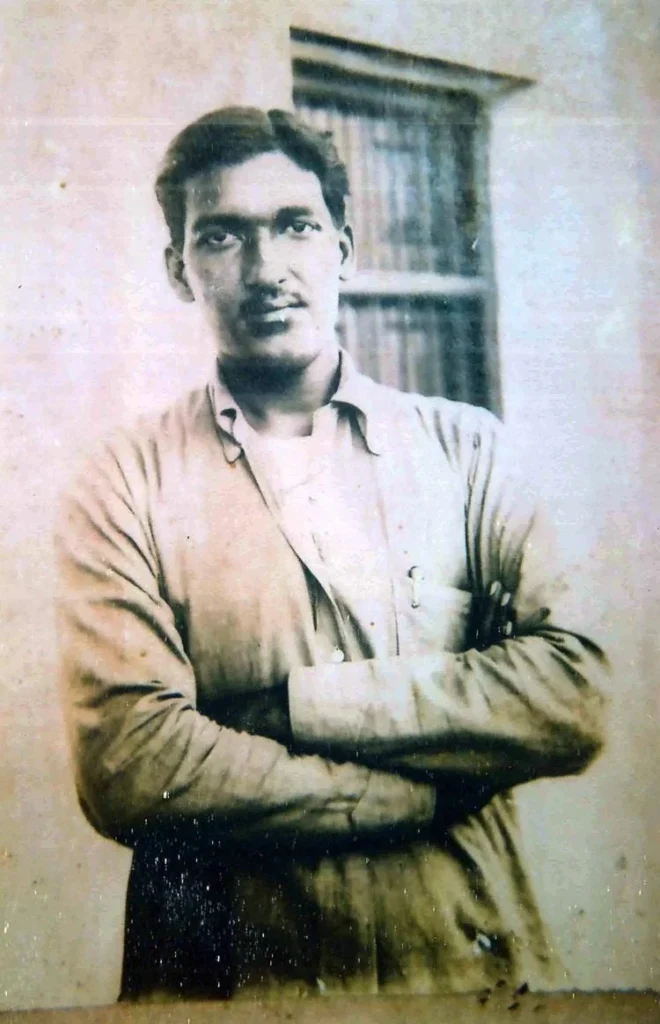
A person like that is worth understanding. Who was he? And why has a boy who did something so brave slipped out of most of our schoolbooks? His name was Ashfaqullah Khan.
A Boy Who Loved Poems, Not Guns
Ashfaqullah was born on 22 October 1900 in Shahjahanpur, a town in Uttar Pradesh. His family was well-off and respected.
Here is the first surprise. He was not a rough, angry fighter. He was a gentle boy who loved words. He wrote poems in Urdu, using the pen names “Hasrat” and “Warsi.” He even had a soft dream for the future. He wanted to open a school one day.
So keep that picture in your mind. Before he was a revolutionary, he was a poet who wanted to teach children. That makes what happened to him even harder to bear.
How a Poem Brought Two Very Different Men Together
Now, on paper, these two should not have been close at all. Bismil was a devout Hindu, deeply into the Arya Samaj. Ashfaqullah was a devout Muslim. In those years, many people were being taught to see each other as enemies over exactly this — religion. But Ashfaqullah first fell in love with Bismil’s poems. He admired the words before he ever met the man. When they finally met, they simply clicked. They became closer than brothers.
There is a lovely story people still tell about this friendship. Once Ashfaqullah fell very ill with a high fever. In his sleep, burning up, he kept softly saying one name again and again — “Ram, Ram.” A Muslim boy, lost in fever, calling out a name loved by his Hindu friend. That was how deep this bond went.
The most important person in Ashfaqullah’s life was another poet named Ram Prasad Bismil.
Ram Prasad Bismil: The Last Chapter of India’s Most Fearless Poet
The Train That Carried the Enemy’s Money
Both friends joined a group called the Hindustan Republican Association, or HRA. These young people believed India would never be set free by polite letters and requests. They thought freedom would have to be won by force. But a fight needs guns, and guns need money. So they came up with a bold, almost cheeky plan: take the British government’s own money and use it to fight the British.
On 9 August 1925, near a village called Kakori, close to Lucknow, they stopped a train. On board was a box of government treasury money. They took it. This became famous as the Kakori train robbery.
One sad part must be told honestly, because the truth matters more than a clean story. During the robbery, a passenger was accidentally killed by a stray bullet. That one death turned the whole case far more serious, and it gave the British the excuse they wanted to crush the group completely.
The Final Letters of Khudiram Bose and Soul of Young Bengal
On the Run
After Kakori, the British were furious. They started a huge hunt and began arresting the revolutionaries one by one. Bismil was caught quite soon. But Ashfaqullah stayed free the longest. He was clever and careful. He hid in Kanpur, then went to Bihar, changed his name, and even worked quietly as a clerk. He learned to speak Bengali. He dreamed of slipping out of India to keep the fight alive from abroad.
In the end, it was not the police who caught him. It was trust. He went to Delhi and stayed with an old friend from his home town. That friend told the police where he was.
On 7 December 1926, in Delhi, Ashfaqullah Khan was finally arrested — betrayed not by a stranger, but by a man he had trusted.
The people in this story
Who's who at the heart of it
Tap a name to meet them.
The poet at the centre
Ashfaqullah Khan
The gentle Urdu poet this story is about. He dreamed of opening a school, joined the fight for freedom, and in the end chose to be hanged rather than betray his closest friend.
The friend he would not betray
Ram Prasad Bismil
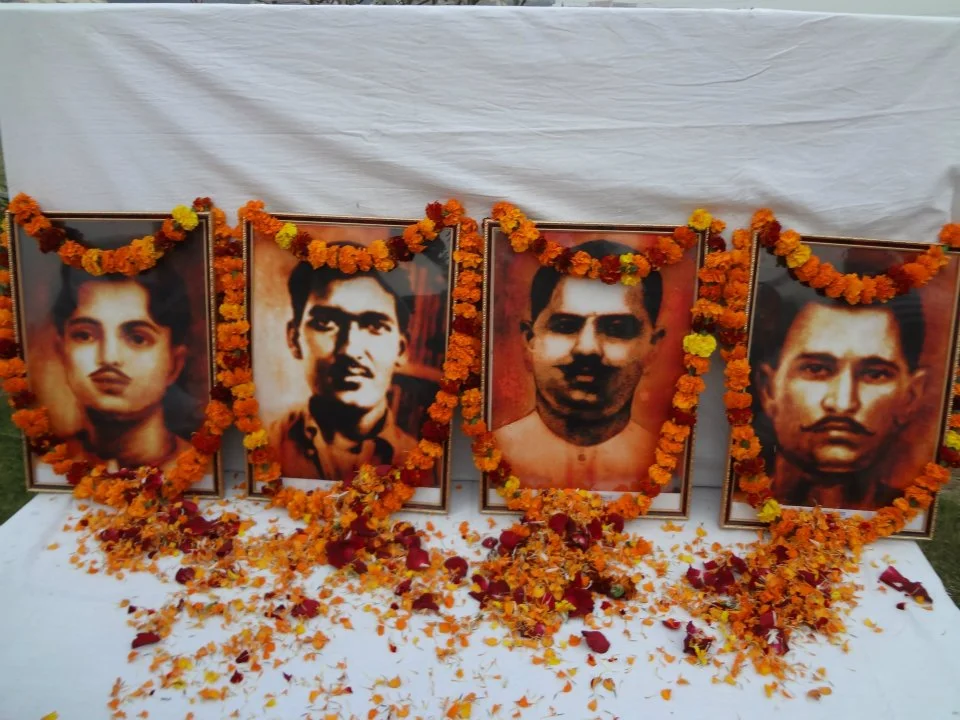
A Hindu poet and revolutionary, and Ashfaqullah's dearest friend — closer than a brother. He helped lead the Kakori action and was hanged the very same morning as Ashfaqullah, in a different jail.
More on Curious Indian
Hanged the same day
Roshan Singh
One of the revolutionaries tied to the Kakori case. He was hanged on the same day as Ashfaqullah and Bismil, one of three friends who died for the same cause.
On his defence team
Jawaharlal Nehru
Later India's first Prime Minister. As a younger man, he was part of the defence team that fought the Kakori accused's case in court.
On his defence team
Govind Ballabh Pant
A lawyer and freedom fighter who worked on the defence for the Kakori accused. He went on to become a senior leader in independent India.
Pleaded for his life
Madan Mohan Malaviya
A respected leader and educationist. He personally begged the British Viceroy to spare Ashfaqullah's life — but the plea was refused.
If you think you have remembered everything about this topic take this QUIZ
Results

#1. When and where was Ashfaqullah Khan born?
#2. Under what pen names did Ashfaqullah Khan write his Urdu poetry?
#3. Before joining the freedom struggle, what did Ashfaqullah Khan dream of doing?
#4. Who was the devout Hindu poet that became Ashfaqullah Khan’s closest friend?
#5. What was the primary goal of the Kakori train robbery on 9 August 1925?
#6. How was Ashfaqullah Khan eventually caught by the police?
#7. What deal did a senior police officer offer Ashfaqullah Khan while he was in jail?
#8. What surprising piece of evidence did the British use against Ashfaqullah Khan in court?
Who was Ashfaqullah Khan?
Ashfaqullah Khan was a 27-year-old poet and Indian freedom fighter. He was a devout Muslim who was hanged by the British after refusing a deal to betray his closest friend and co-accused, Ram Prasad Bismil.
What was the Kakori train robbery?
The Kakori train robbery took place on 9 August 1925 near Lucknow. Members of the Hindustan Republican Association stopped a train to seize a box of British government treasury money to fund their armed struggle for independence. During the event, a passenger was accidentally killed by a stray bullet.
Why is the friendship between Ashfaqullah Khan and Ram Prasad Bismil significant?
At a time when people were being taught to view each other as enemies over religion, Ashfaqullah, a Muslim, and Bismil, a Hindu, became closer than brothers. Their unbreakable bond and refusal to divide their communities stood as a powerful symbol of unity.
Did Indian political leaders try to save Ashfaqullah Khan?
Yes, a defense team that included Jawaharlal Nehru and Govind Ballabh Pant worked on his case. Additionally, Madan Mohan Malaviya pleaded with the Viceroy for mercy, but the British refused to bend.
When and where was Ashfaqullah Khan executed?
He was hanged on the morning of 19 December 1927 in Faizabad jail, on the exact same morning his friend Ram Prasad Bismil was hanged in Gorakhpur.
Sources & References
Wikipedia (Ashfaqulla Khan; Kakori conspiracy) — birth date (22 October 1900), death date and place (19 December 1927, Faizabad, aged 27), Hindustan Republican Association membership, and the arrest dates of Bismil (26 October 1925) and Ashfaqullah (7 December 1926, Delhi).
The Wire / Janata Weekly ("Remembering Ashfaqullah Khan – Kakori Martyr, Poet, Dreamer") — his pen names "Hasrat" and "Warsi," his wish to open a school, his time hiding in Kanpur and Bihar under an assumed name, and that Rajendra Nath Lahiri was hanged two days earlier.
The Print ("Hanged at 27, Ashfaqulla Khan…") — his poetic nature, family background, the purpose of the robbery (funding arms), and the accidental death of a passenger during the Kakori action.
National Herald ("Remembering Ashfaqulla Khan: The martyr of Kakori" and Bismil's last letter) — Ashfaqullah's refusal to become a government approver, his statement about being the lone Muslim accused and carrying that responsibility, and Bismil's final wish for Hindu-Muslim unity as their memorial.
Awaz-The Voice ("Ashfaqullah & Ram Prasad Bismil were tried for uniting Hindus, Muslims") — the police using his unity poems and pamphlets as evidence against him in court.
Byju's "This Day in History" & Grokipedia — the three hangings on 19 December 1927 in different jails, the Kakori trial in the Special Sessions Court at Lucknow, and the defence and mercy efforts involving Nehru, G.B. Pant, and Madan Mohan Malaviya.
Author
Exploring the Soul of Bharat through History, Science, Culture, and its Diversity
Our Mission
Curious Indian is a definitive knowledge portal dedicated to chronicling the events, personalities, and cultural shifts that defined the Indian subcontinent. From the ancient Vedic Period to the complexities of 21st-century politics, our goal is to provide deep-dive analysis that inspires.
Editorial Standards & E-E-A-T
Every article published under our brand undergoes a rigorous fact-checking process. We prioritize primary historical records, academic citations, and credible archives to ensure our readers receive accurate, high-authority information.
Historical Integrity Directly sourcing from ASI archives and academic journals.Topical Authority Comprehensive clustering of Indian Science, Biographies, and Wars.Managed by Paripurna Datta and TEAM | Dedicated to the Knowledge of India.