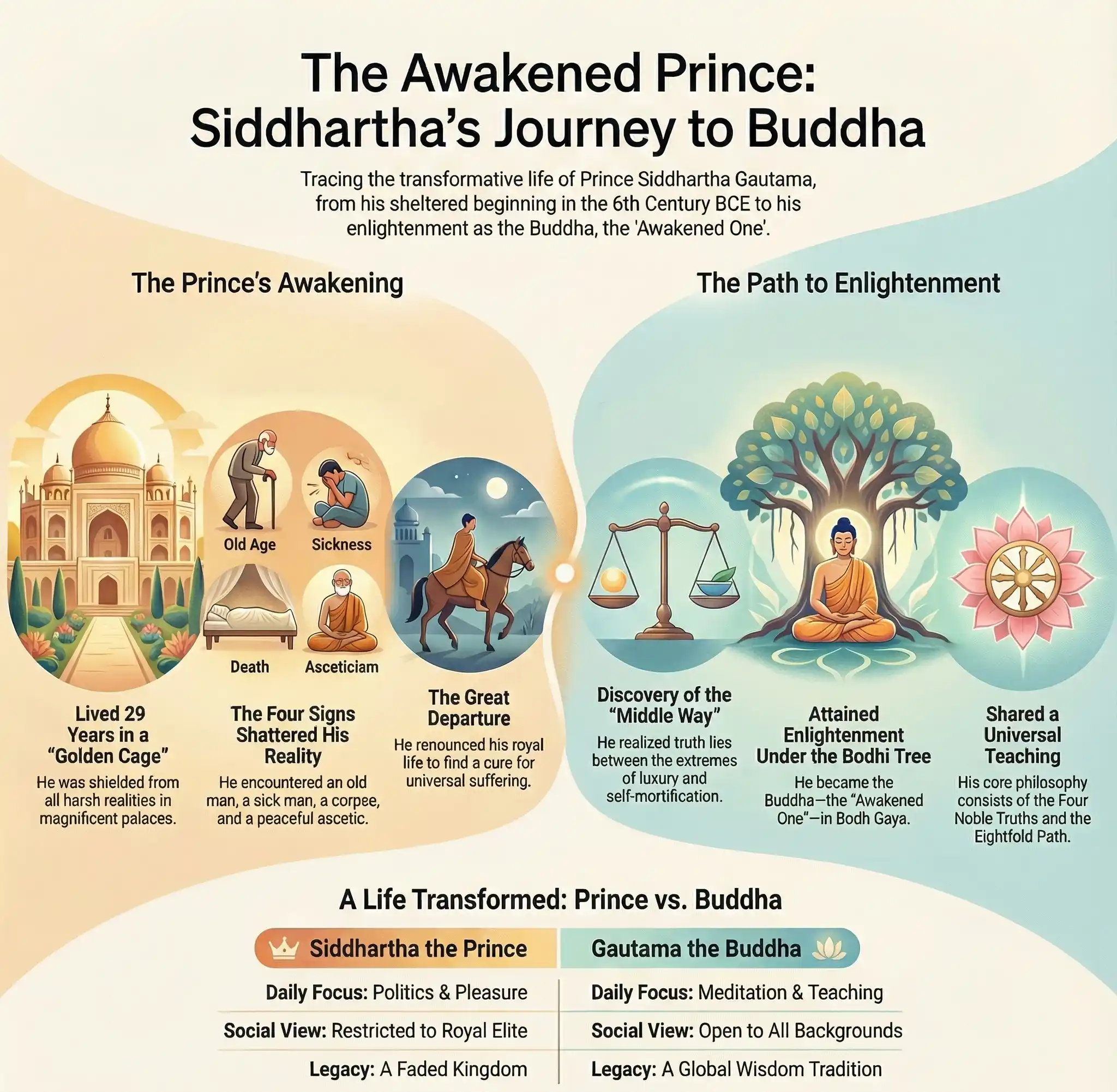
The Gautam Buddha life story is one of the most profound narratives in human history, marking the transition of a young prince named Siddhartha Gautama into a global icon of peace and wisdom. Born into the Shakya clan in the 6th century BCE, Siddhartha lived a life of ultimate luxury until four chance encounters revealed the realities of aging, sickness, and death. Driven by an urgent curiosity to find a cure for universal suffering, he renounced his throne and spent years in rigorous meditation. His ultimate awakening under the Bodhi tree didn't just create a new philosophy; it sparked a social and intellectual revolution that continues to shape the world today.| Feature | Details |
| Birth Name | Siddhartha Gautama |
| Era | 6th Century BCE (c. 563 – 483 BCE) |
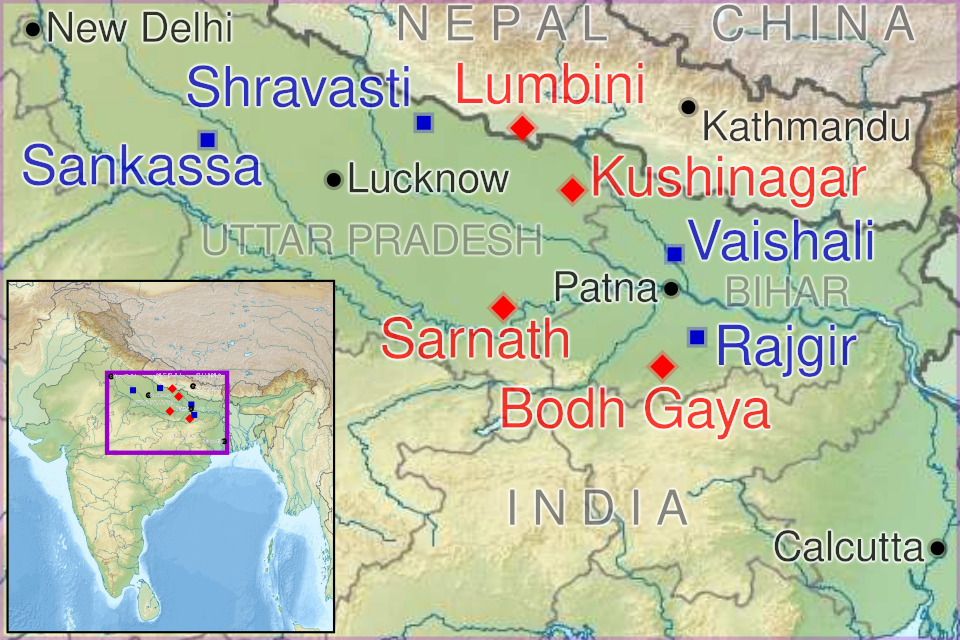
| Birthplace | Lumbini, Nepal |
| Enlightenment | Bodh Gaya, Bihar, India |
| Core Philosophy | The Four Noble Truths & Eightfold Path |
The Prince in the Golden Cage
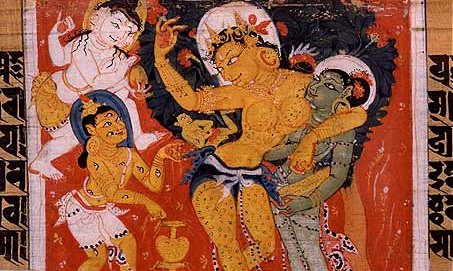
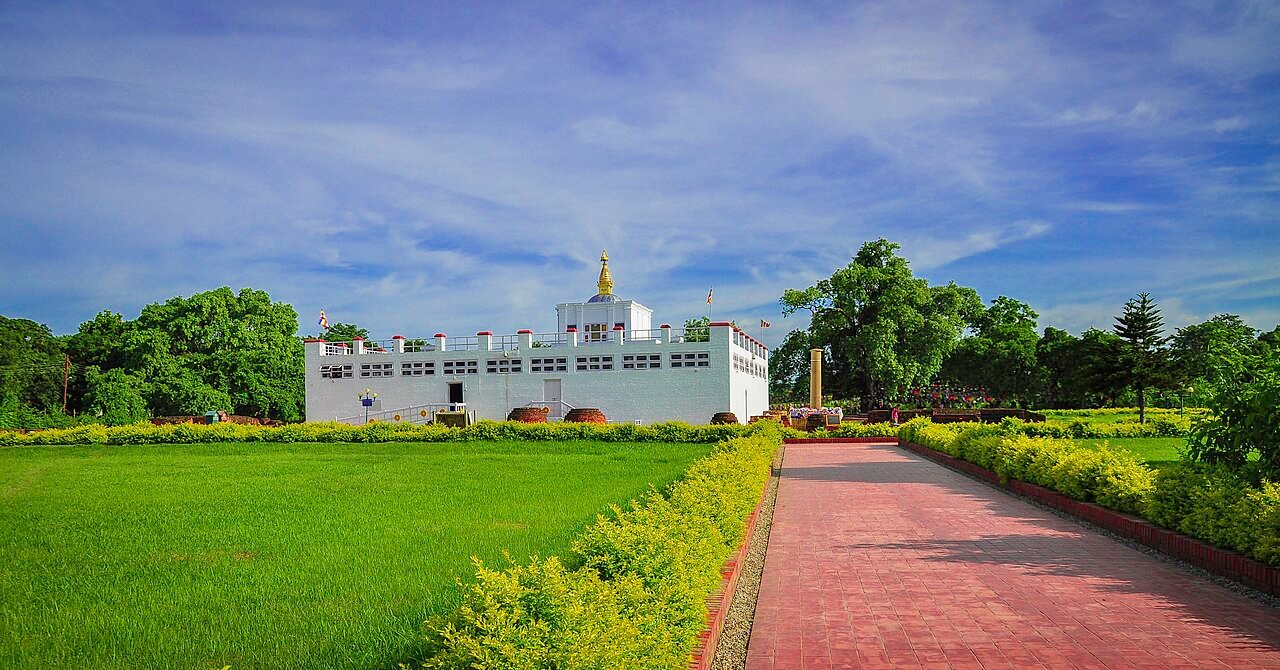
The Gautam Buddha life story begins in the lush gardens of Lumbini, where a queen named Maya gave birth to a prince destined for greatness. Prophecies at his birth suggested he would either become a mighty world ruler or a legendary spiritual leader. His father, King Suddhodana, desperate for a political heir, chose to keep the world’s harsh realities a secret. He built three magnificent palaces for Siddhartha—one for each season—and surrounded him with beauty, music, and eternal youth.
For twenty-nine years, Siddhartha lived in a “golden cage.” He was a skilled warrior and a beloved husband to Princess Yashodhara, yet a quiet restlessness grew within him. He felt that something was missing, a truth hidden behind the high palace walls. This is the moment where the “Curious Indian” spirit truly takes flight. Despite his father’s efforts, Siddhartha’s inner drive to understand the world could not be suppressed. He decided to step outside the gates, unaware that his life—and the history of the world—was about to change forever.
8 Defining Chapters in the Vikram Sarabhai Biography
The Four Signs that Changed Everything
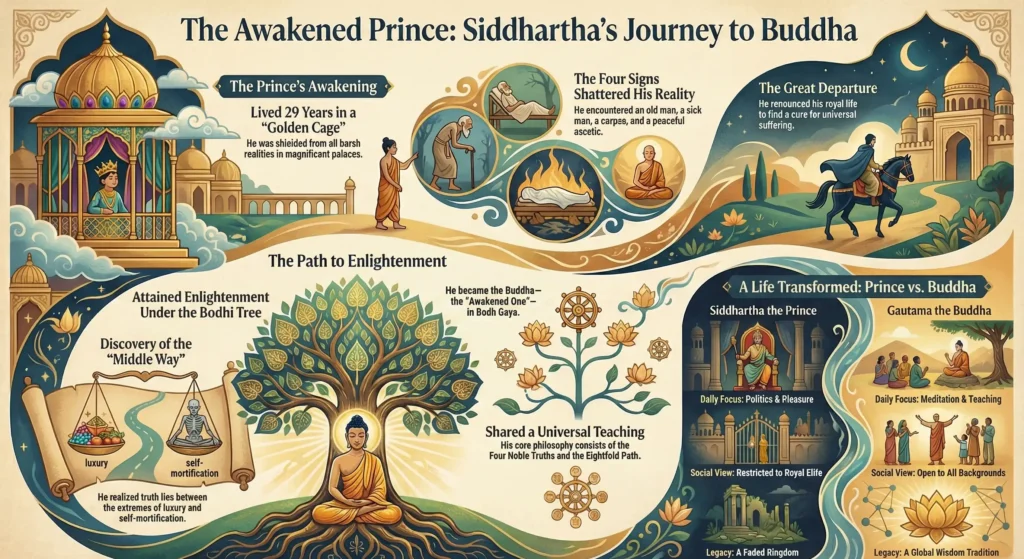
During his chariot rides through the city of Kapilavastu, Siddhartha encountered four sights that shattered his sheltered reality. First, he saw a frail old man; then, a man writhing in pain from disease; third, a lifeless body being carried to the funeral pyre; and finally, a calm, wandering ascetic. These weren’t just sights; they were revelations. He realized that no amount of royal power could shield him or his loved ones from the cycle of birth, decay, and death.
This realization is the emotional core of the Gautam Buddha life story. He didn’t react with despair, but with a profound, intellectual urgency. He began to ask the “why” of existence. Why do we suffer? Is there a way out? On a quiet night, while the rest of the palace slept, he looked at his sleeping wife and newborn son, Rahula, one last time and rode away into the forest. This “Great Departure” was not an act of abandonment, but a desperate search for a solution that would benefit all of humanity.
From Extreme Penance to the Middle Way
The Indian scientist biography of the spirit often involves periods of intense experimentation, and Siddhartha was no different. For six years, he sought out the greatest philosophers of his time. He practiced extreme asceticism, eating only a single grain of rice a day until his body became a skeleton. He pushed his physical limits to the breaking point, only to realize that a starved body cannot support a clear mind.
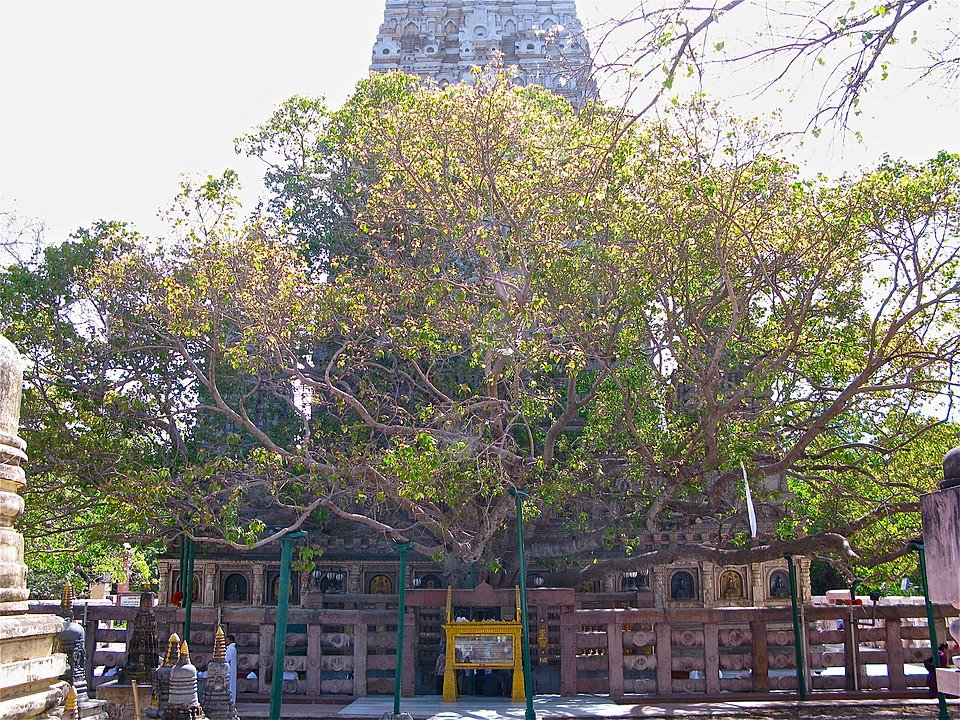
It was during this period of trial and error that he discovered the “Middle Way.” Just as a sitar string snaps if it is too tight and fails to play if it is too loose, he understood that the path to truth lies between luxury and self-mortification. He sat down under a Pipal tree in Bodh Gaya, vowing not to rise until he found the answer. As the morning star rose on the night of the full moon, his mind broke through the veil of ignorance. He was no longer Siddhartha; he was the Buddha—the “Awakened One.”
The Architecture of the Mind
What makes the Gautam Buddha life story unique is that he didn’t ask people to believe in him blindly. He approached spirituality like a scientist approaches a laboratory experiment. He laid out the “Four Noble Truths” as a diagnosis and the “Eightfold Path” as the cure. He taught that the root of suffering is Tanha (craving) and that by training our minds through mindfulness and ethics, we can achieve Nirvana—a state of perfect peace.
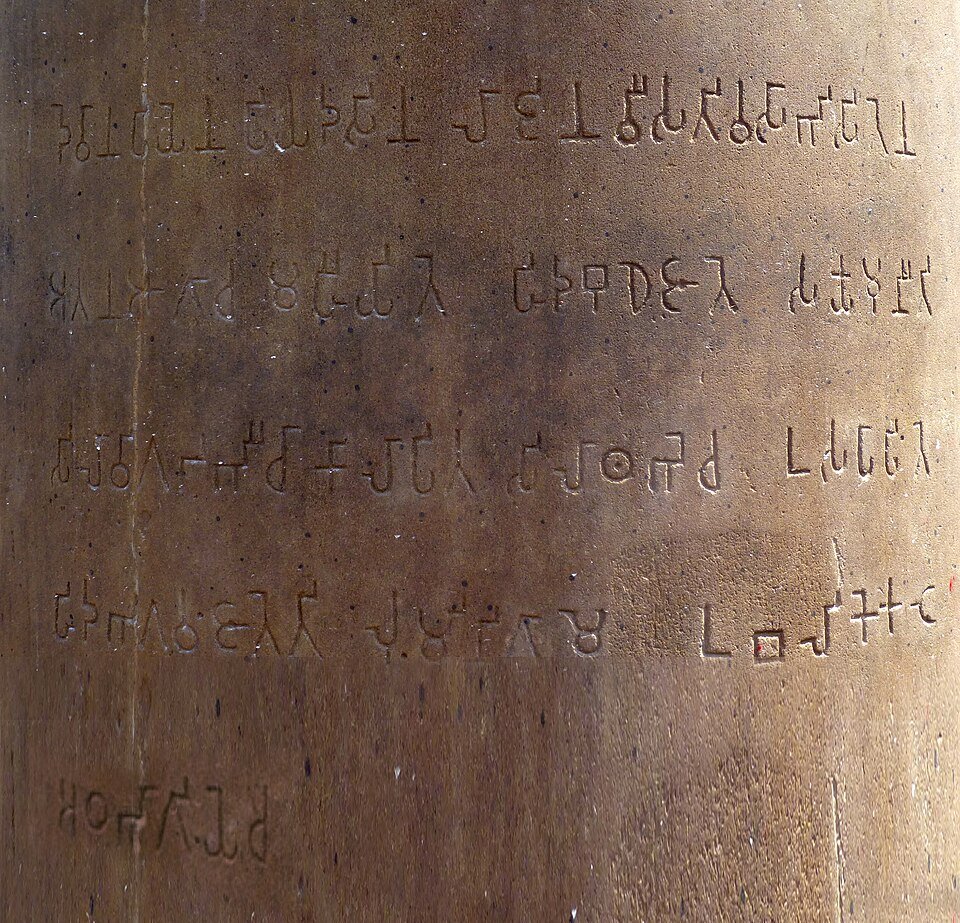
His teachings were a direct challenge to the rigid social hierarchies of the 6th century BCE. He spoke in Pali, the language of the common people, rather than the elite Sanskrit. He invited everyone—kings and beggars, men and women—to join his Sangha (community). This was a social revolution hidden in a spiritual message. His curiosity had led him to a truth that was universal, democratic, and deeply human.
6 Unfoldings in the Subrahmanyan Chandrasekhar Biography
Comparison: The Life of a Prince vs. The Life of a Buddha
| Feature | Siddhartha the Prince | Gautama the Buddha |
| Living Space | Luxury Palaces in Kapilavastu. | Wandering the forests and plains. |
| Daily Focus | Martial arts, politics, and pleasure. | Meditation, teaching, and compassion. |
| Social View | Restricted to the royal elite. | Open to all castes and backgrounds. |
| Philosophy | Preserving the status quo. | Challenging suffering and ignorance. |
| Legacy | A kingdom that eventually faded. | A wisdom tradition that spans the globe. |
The Journey Through Ancient India
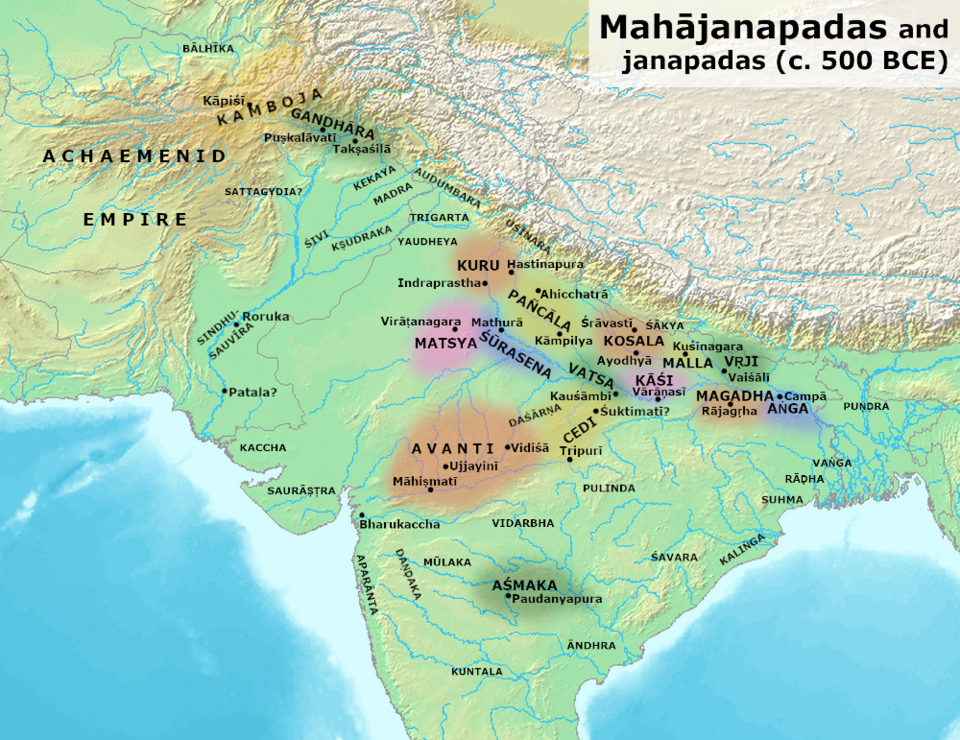
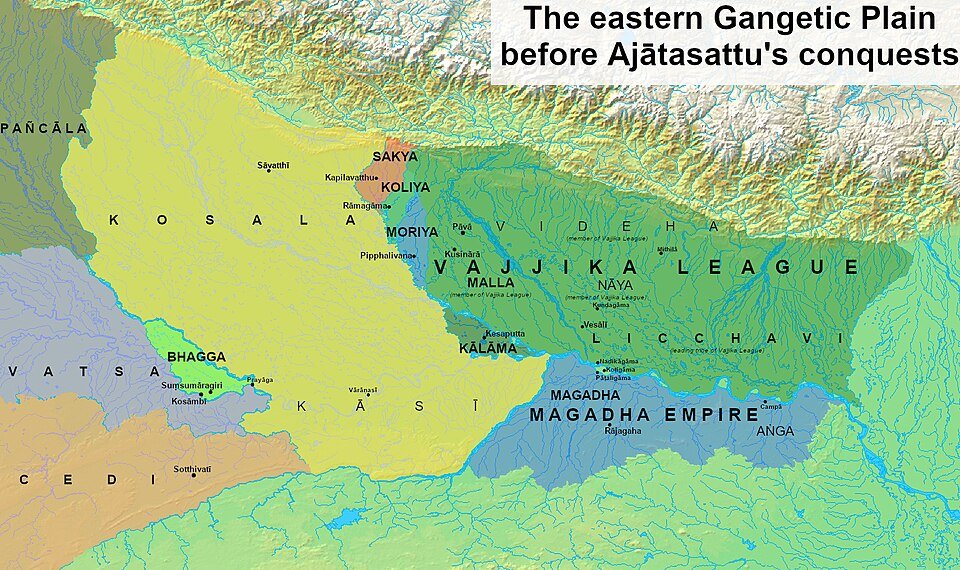
For the next forty-five years, the Buddha walked across the plains of North India. He visited bustling cities like Rajgir and Shravasti, converting thousands with his calm logic and compassionate storytelling. He dealt with angry monks, jealous cousins, and even the fearsome bandit Angulimala, meeting every challenge with the same unshakable peace he found under the Bodhi tree.
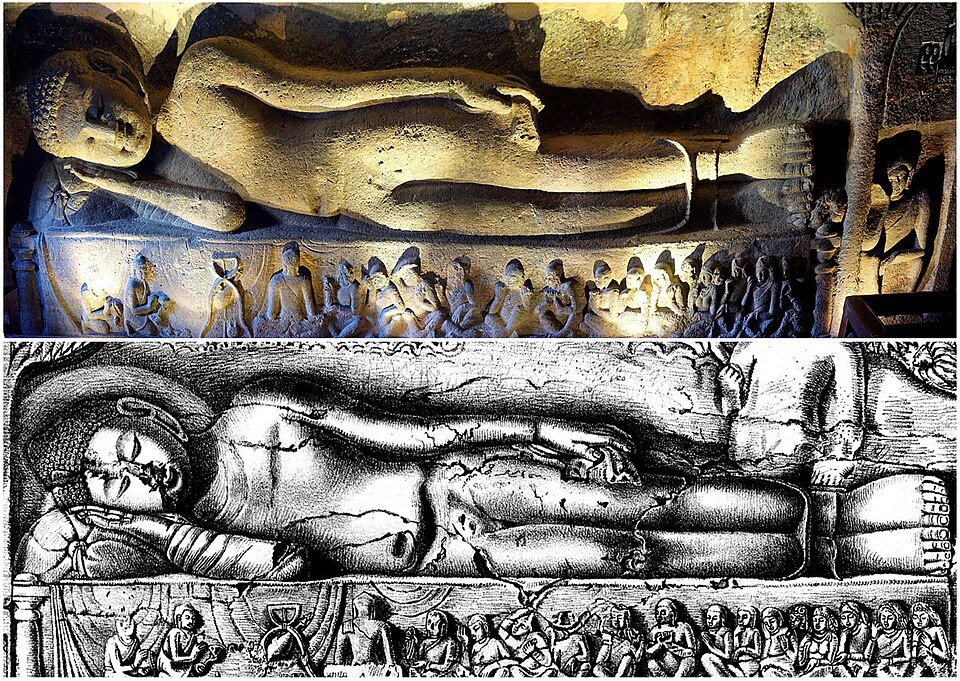
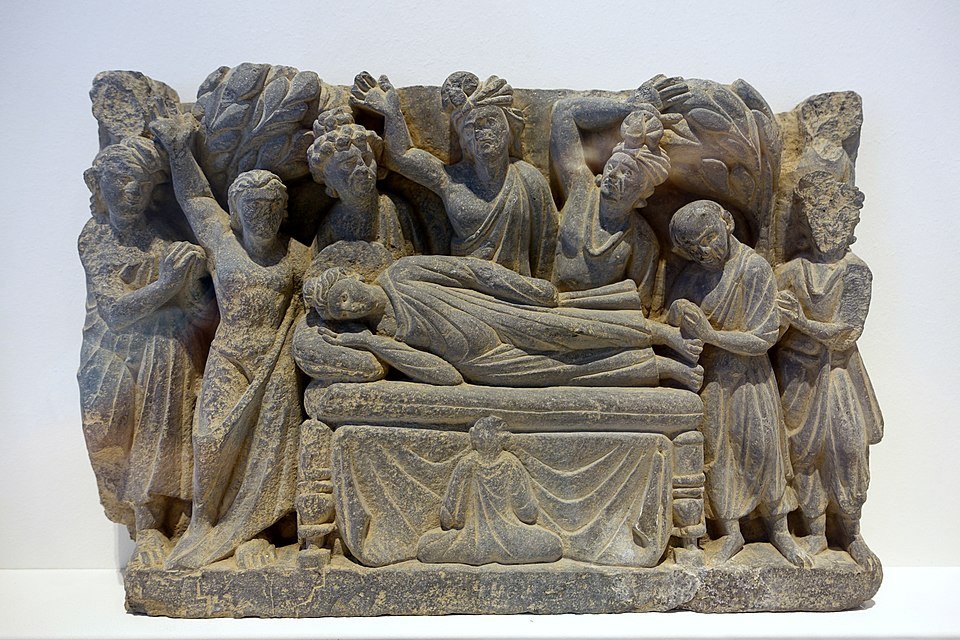
The Gautam Buddha life story ended as peacefully as it began. At the age of eighty, in the town of Kushinagar, he lay down between two Sal trees. His final words to his disciples were: “All conditioned things are subject to decay. Strive on with mindfulness.” He didn’t leave behind a god to be worshipped, but a method to be followed. He proved that the greatest mystery of the universe is the human mind itself, and that anyone with enough curiosity can unlock its secrets.
Curious Indian: Fast Facts
- The Bodhi Tree: The descendants of the original tree under which Buddha attained enlightenment still grow in Bodh Gaya and Sri Lanka today.
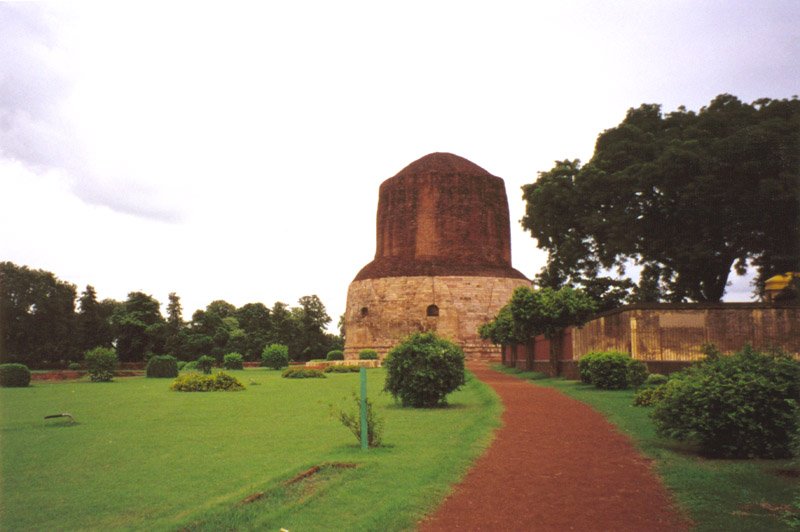
- The First Sermon: He gave his first teaching at the Deer Park in Sarnath, setting the “Wheel of Dharma” in motion.
- Silent Teaching: Buddha was known for the “Silent Sermon,” where he once held up a lotus flower and said nothing, teaching that truth is often beyond words.
- Master of Logic: He used the “Kalama Sutta” to encourage people to question even his own teachings until they found them to be true through personal experience.
- World Heritage: Lumbini, Bodh Gaya, Sarnath, and Kushinagar are now UNESCO World Heritage sites, attracting millions of seekers every year.
7 Secrets of Padmanabhaswamy Temple Treasure
Conclusion
The Gautam Buddha life story is much more than a historical record; it is a roadmap for the “Curious Indian” in all of us. Siddhartha Gautama showed us that the most important questions in life are not found in the stars or in ancient rituals, but within our own hearts. By facing the reality of suffering with courage and clarity, he discovered a path to freedom that remains as relevant in the age of AI as it was in the age of chariots. He remains the ultimate symbol of the power of a single, questioning mind to change the course of human history.
If you think you have remembered everything about this topic take this QUIZ
Results


#1. What specifically triggered Siddhartha Gautama’s decision to renounce his royal life at the age of 29?
#2. Siddhartha discovered the ‘Middle Way’ after experimenting with extreme asceticism. What is the central idea of this philosophy?
#3. What did the Buddha identify as the root cause of human suffering in his Four Noble Truths?
#4. How did the Buddha’s choice of language for his teachings reflect his social philosophy?
#5. Which site is associated with the Buddha’s first sermon, where he ‘set the Wheel of Dharma in motion’?
#6. What approach did the Buddha take toward his own teachings, as highlighted in the ‘Kalama Sutta’?
#7. According to the comparison table, how did the Buddha’s social view differ from his life as Prince Siddhartha?
#8. What were the final words of the Buddha to his disciples before passing away in Kushinagar?
10 Remarkable Facts About Meghnad Saha Life and Achievements
What is the most important part of the Gautam Buddha life story?
The “Great Departure” is often considered the most pivotal moment, where Siddhartha leaves his life of luxury to seek the truth about human suffering.
Where was Gautam Buddha born?
He was born in Lumbini, located in modern-day Nepal, in the 6th century BCE.
What is the Middle Way?
The Middle Way is Buddha’s teaching that one should avoid both extreme luxury and extreme self-denial (starvation/pain) to find the path to enlightenment.
Did Buddha believe in God?
Buddha was a “silent” or non-theistic teacher. He focused on human psychology and ethics rather than the existence or non-existence of a creator god.
How did Gautam Buddha die?
He passed away at the age of 80 in Kushinagar, likely from natural causes or old age, entering into what is called “Parinirvana.”
Read More: https://curiousindian.in/shalihotra-3rd-century-bce/