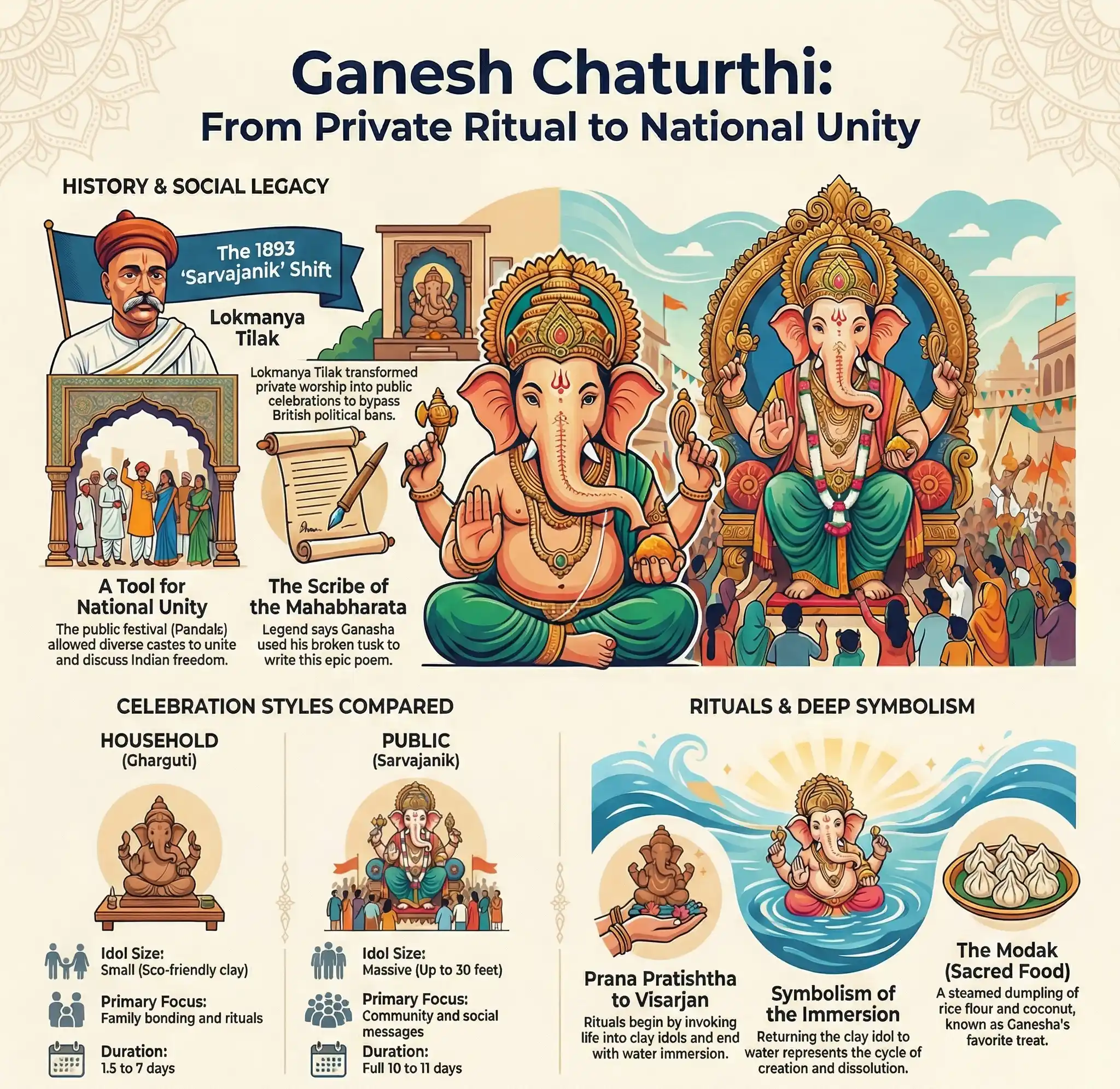
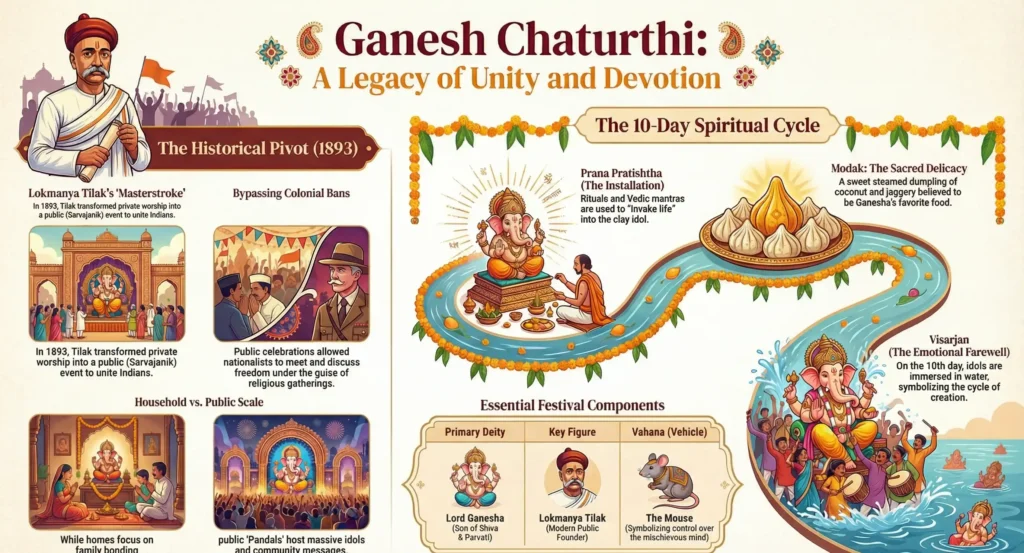
Ganesh Chaturthi (also known as Vinayaka Chaturthi) is a Hindu festival celebrating the birth of Lord Ganesha, the god of wisdom, prosperity, and new beginnings. It falls in the Hindu month of Bhadrapada (August/September). While Ganesha has been worshipped for centuries, the festival took its modern, grand public form in 1893 when freedom fighter Lokmanya Tilak transformed it from a private household ritual into a Sarvajanik (public) event to unite Indians against British colonial rule. The festival lasts for 10 days, beginning with the installation of clay idols (Prana Pratishtha) and ending with Anant Chaturdashi, when the idols are immersed in water (Visarjan), symbolizing the cycle of creation and dissolution.| Feature | Details |
| Deity | Lord Ganesha (Son of Shiva & Parvati) |
| Date | Bhadrapada Shukla Chaturthi (Aug/Sept) |
| Duration | 10 Days (Ends on Anant Chaturdashi) |
| Key Food | Modak (Steamed dumpling with coconut & jaggery) |
| Key Chant | Ganpati Bappa Morya, Pudhchya Varshi Lavkar Ya! |
| Key Figure | Lokmanya Tilak (Started Public Festival in 1893) |
| Biggest Celebration | Maharashtra (Mumbai, Pune) |
| Ritual | Prana Pratishtha (Installation) & Visarjan (Immersion) |
| Vehicle | Mouse (Mushak) |
The Birth of the Elephant God
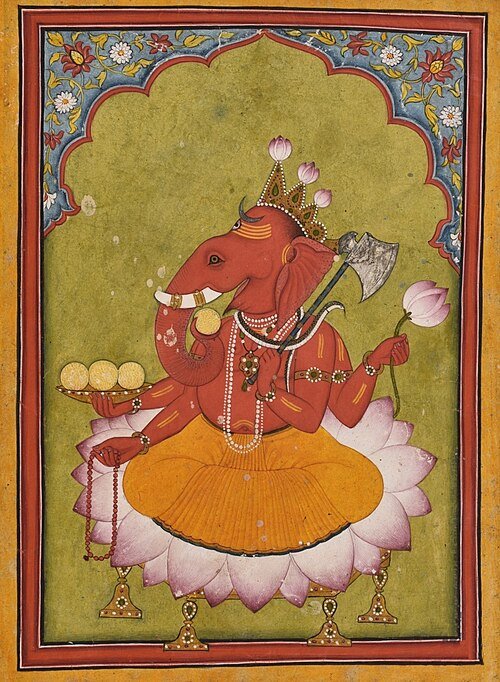
According to mythology, Goddess Parvati created Ganesha out of sandalwood paste (or turmeric/clay) to guard her while she bathed. When Lord Shiva returned and was stopped by the boy, he severed Ganesha’s head in anger. To console a grieving Parvati, Shiva replaced the head with that of an elephant, breathing new life into him and declaring him the Pratham Pujya (First Worshipped)—the god invoked before any new venture.
Reign of Chandragupta II Vikramaditya: The Golden Age of India
History: From Private to Public (Sarvajanik)
For centuries, Ganesh Chaturthi was a private family affair, especially popular during the reign of the Peshwas in Pune. However, the British Raj had banned large political gatherings.
- The Masterstroke: In 1893, the nationalist leader Bal Gangadhar Tilak saw the festival’s potential to unite people of all castes. He turned it into a public event (Sarvajanik Ganeshotsav), installing large idols in pavilions (Pandals). This allowed nationalists to meet, discuss freedom, and celebrate culture under the guise of religion, bypassing the British ban.
Sunayani Devi: A Woman’s Voice in the Bengal School
The Rituals: Bringing the God Home
- Buying the Idol: Devotees bring home idols made of clay (Shadu Mati) or Plaster of Paris. The face is often covered until it enters the home.
- Prana Pratishtha: The priest (or head of the family) performs a ritual to invoke life (Prana) into the idol using Vedic mantras.
- Shodashopachara: The deity is worshipped with 16 rituals, including offering red flowers (Hibiscus), Durva grass (which has medicinal properties), and sweets.
The Delicacy: Modak
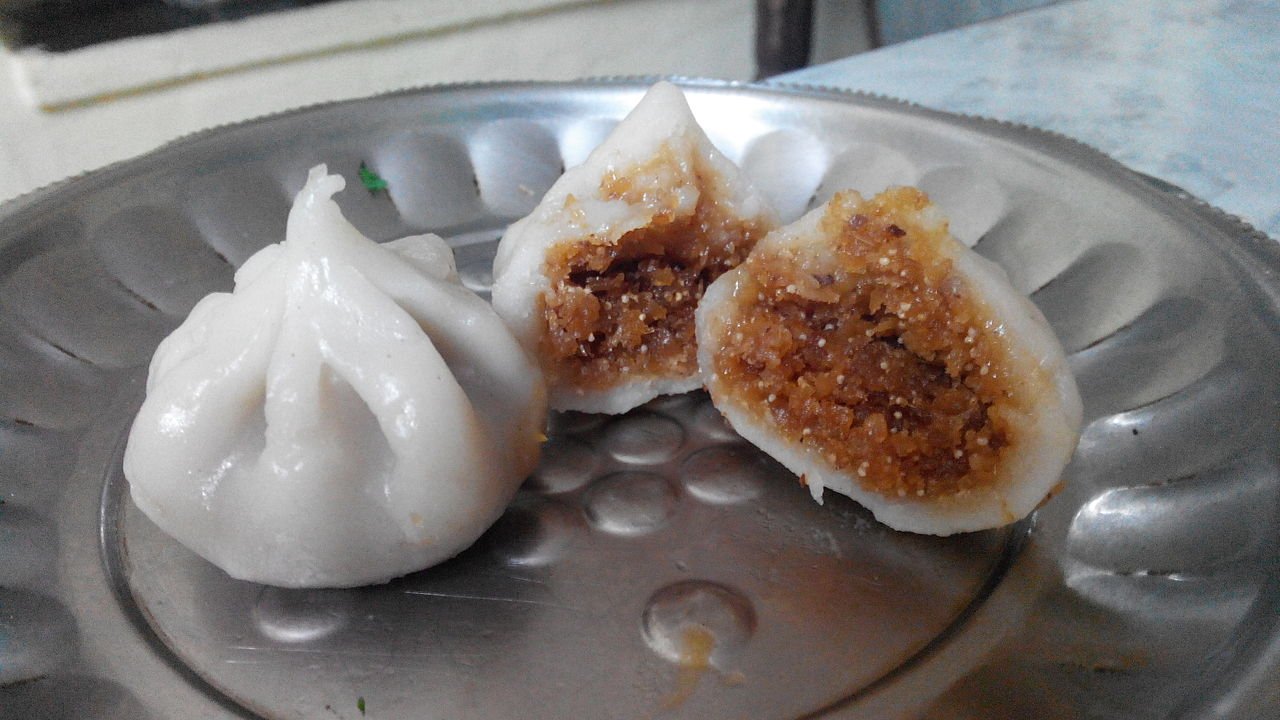
No Ganesh festival is complete without Modak. It is a sweet dumpling made of rice flour dough, stuffed with a mixture of fresh coconut and jaggery (Ukadiche Modak). It is believed to be Ganesha’s favorite food, earning him the name Modakapriya. In many homes, 21 modaks are offered as Naivedya.
Mumbai’s Grandeur: Lalbaugcha Raja
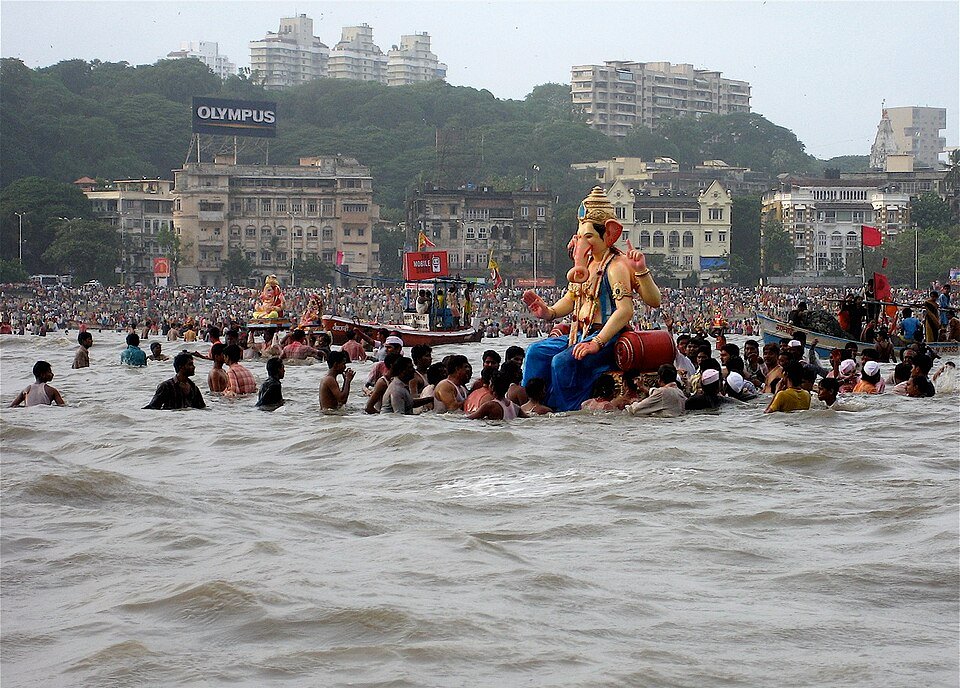
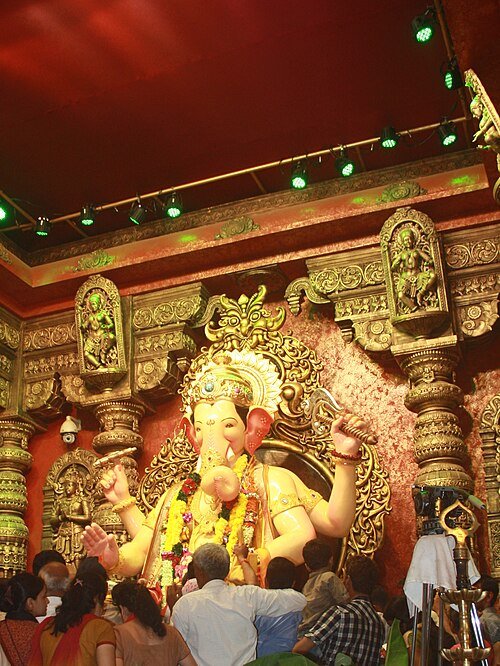
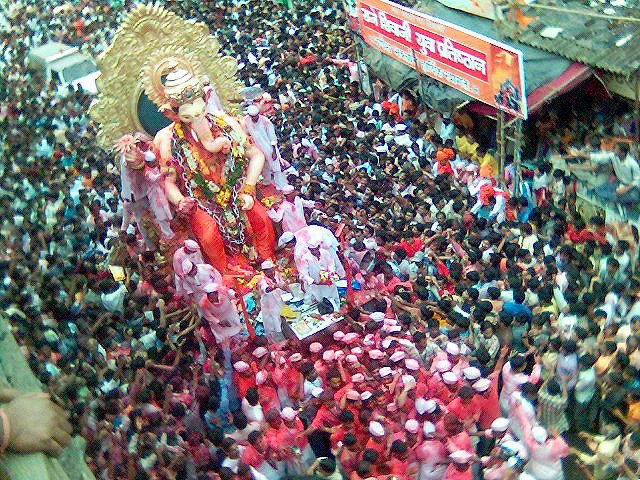
Mumbai is the epicenter of the celebrations. The most famous Pandal is Lalbaugcha Raja (King of Lalbaug), founded in 1934. Millions of devotees wait in lines for up to 24 hours just to touch the feet of this idol, which is believed to fulfill wishes (Navasacha Ganpati). Other famous mandals include the GSB Seva Mandal (known for its gold-adorned idol) and Siddhivinayak Temple.
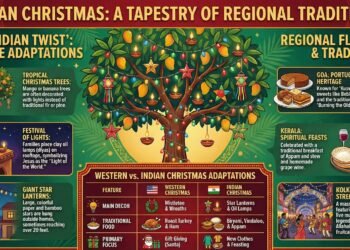
Christmas in India: A Festive Blend of Tradition
Visarjan: The Emotional Farewell
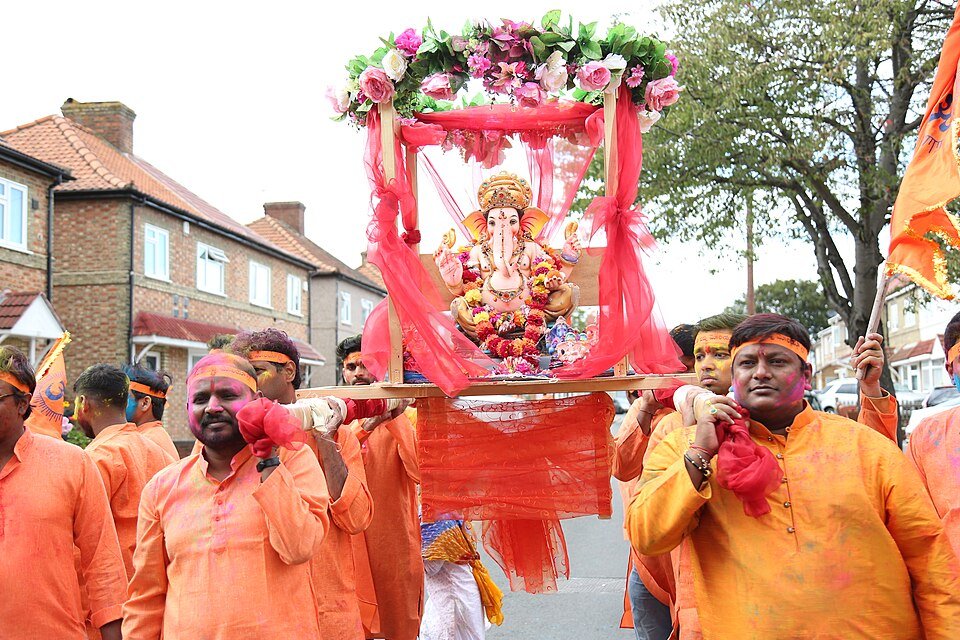
On the 10th day (Anant Chaturdashi), the idols are taken in grand processions with drums (Dhol-Tasha) to rivers, lakes, or the sea for immersion.
- The Symbolism: The immersion (Visarjan) symbolizes that the form is temporary. God comes from the earth (clay) and returns to the earth/water. It teaches detachment—we love the god, serve him, and then let him go, only to welcome him back next year.
- The Chant: The air fills with the roar of “Ganpati Bappa Morya, Pudhchya Varshi Lavkar Ya” (O Father Ganesha, come back soon next year!).
Quick Comparison Table: Household vs. Public Celebration
| Feature | Household (Gharguti) | Public (Sarvajanik) |
| Initiated By | Tradition (Peshwas/Families) | Lokmanya Tilak (1893) |
| Duration | 1.5, 3, 5, or 7 Days | Full 10 or 11 Days |
| Idol Size | Small (Eco-friendly Clay) | Massive (Up to 20-30 feet) |
| Focus | Family bonding, Rituals | Community, Culture, Social Message |
| Food | Homemade Modaks | Mass distribution (Prasad) |
| Immersion | Bucket/Artificial Tank | Sea/River Processions |
Curious Indian: Fast Facts
- Why the Mouse? Ganesha’s vehicle (Vahana) is a tiny mouse (Mushak). This symbolizes that wisdom (Ganesha) must control the wavering and mischievous mind (Mouse).
- Don’t Look at the Moon: It is believed that one should not look at the moon on the night of Ganesh Chaturthi. Legend says the Moon laughed at Ganesha when he fell off his mouse, and Ganesha cursed him.
- Writing the Mahabharata: Ganesha is the scribe of the epic Mahabharata. Sage Vyasa dictated it, and Ganesha wrote it down using his own broken tusk as a pen, on the condition that Vyasa would not stop reciting.
- Eco-Friendly Shift: Due to pollution from Plaster of Paris idols, there is a massive movement towards “Tree Ganesha”—idols made of red soil and seeds that grow into a plant after immersion.
Conclusion
Ganesh Chaturthi is more than a religious festival; it is a social phenomenon. It bridges the gap between the divine and the mundane, bringing the god out of the temple and into the living rooms and streets of India. Whether in the silence of a home prayer or the thunderous beat of a Mumbai procession, the festival reaffirms the belief that with wisdom and faith, all obstacles can be overcome.
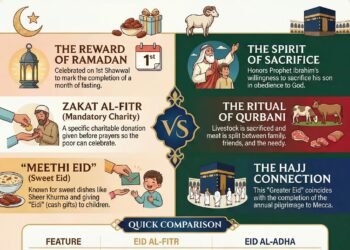
Eid al-Fitr and Eid al-Adha: Celebrating Faith and Community
If you think you have remembered everything about this topic take this QUIZ
Results


#1. According to mythology, what material did Goddess Parvati use to create the form of Ganesha before he was brought to life?
#2. Which ritual is performed to formally invite the divine essence into the Ganesha idol at the start of the festival?
#3. What is the symbolic meaning behind Lord Ganesha being depicted with a tiny mouse (Mushak) as his vehicle?
#4. How do the ‘Ukadiche Modak’ dumplings differ from other types of sweets offered during the festival?
#5. According to the source material, why did Lord Ganesha use his own broken tusk to write the epic Mahabharata?
#6. Which concept is central to the ritual of Visarjan, or the immersion of the Ganesha idol in water?
#7. How does the duration of a household (Gharguti) celebration typically differ from a public (Sarvajanik) celebration?
Why is Ganesh Chaturthi celebrated?
It celebrates the birth of Lord Ganesha, the god of wisdom and new beginnings.
Who started the public celebration of Ganeshotsav?
Lokmanya Bal Gangadhar Tilak started the public (Sarvajanik) festival in 1893 to unite Indians against British rule.
What is Ganesha’s favorite food?
Modak (steamed dumpling with coconut and jaggery).
What does “Visarjan” mean?
Visarjan means immersion. It is the ritual of immersing the Ganesha idol in water, symbolizing the cycle of creation and dissolution.
How long does the festival last?
It typically lasts for 10 days, culminating on Anant Chaturdashi.