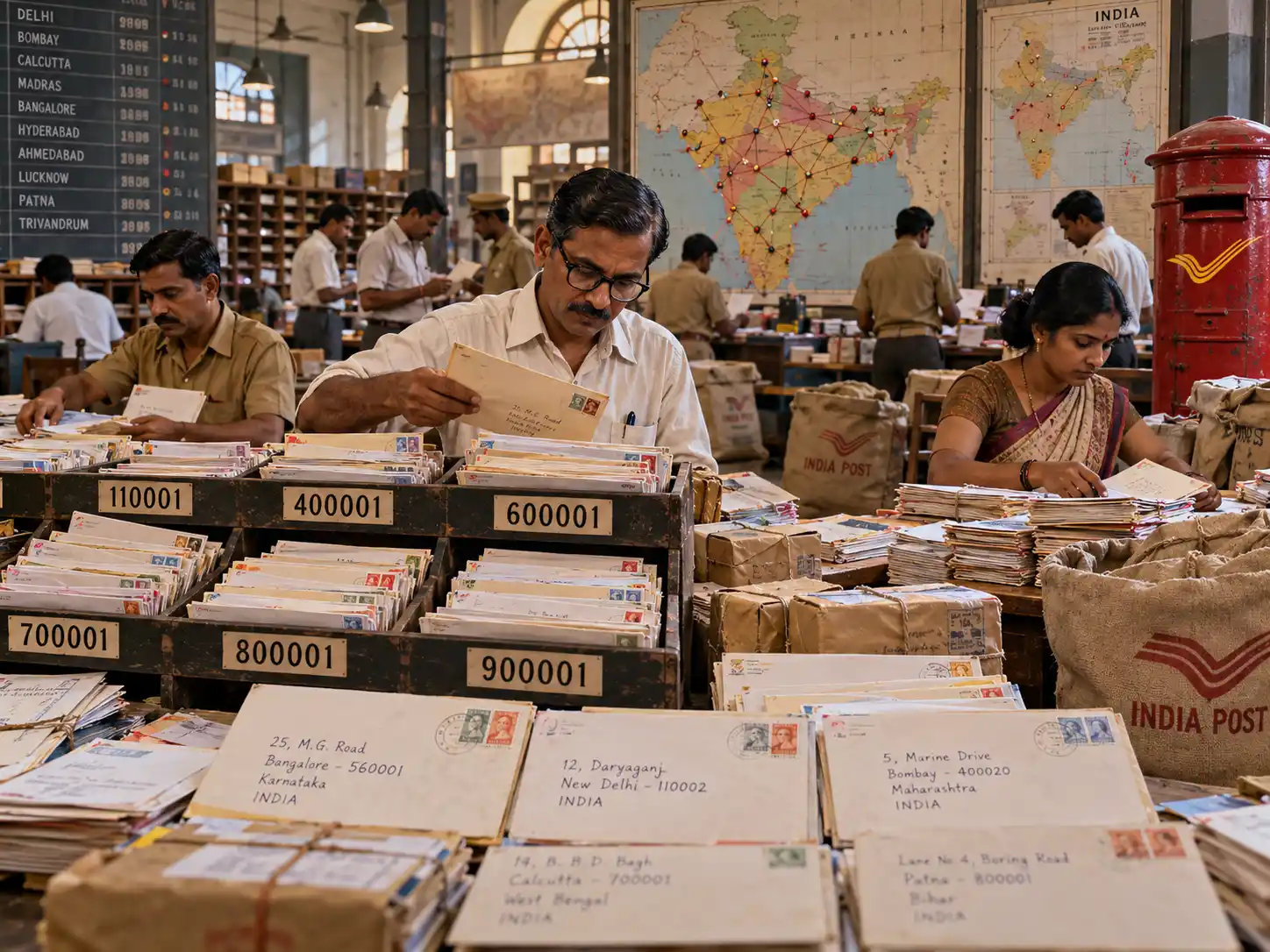
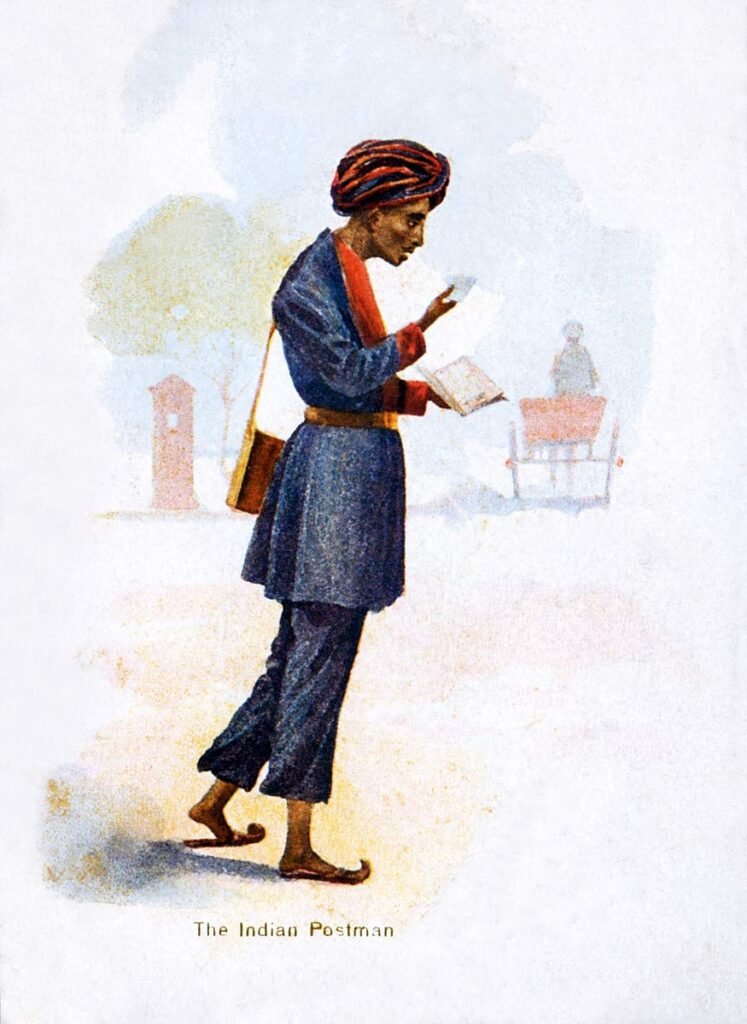
There is a Bilaspur in Himachal Pradesh and a Bilaspur in Chhattisgarh. There is a Kota in Rajasthan and a Kota in Karnataka. N. Hariharan, who worked in the postal department, told The News Minute in 2018 that in Tamil Nadu names like Mettur and Aathur "are very common and can be found in more than 10 different places". For most of the twentieth century a letter got past this problem by being read. A sorter picked it up, read the address and decided which bag it belonged in. If the village was small, the sender added the name of a bigger place nearby and the word "via". The big cities had a shorthand of their own. Hariharan remembered that Chennai Central was Madras 01, Anna Salai was Madras 02 and Mylapore was Madras 04, and that Bombay and Calcutta were divided up the same way. All of it depended on the sorter being able to read the envelope. An address written in Bengali might pass through hands that read only Hindi or Tamil. A village name spelt three ways in English was
three chances to go wrong. And the network kept growing. The Department of Posts counts 23,344 post offices in India at Independence, most of them in towns. Today India Post lists 1,64,999, and nine in every ten are in villages. On 15 August 1972 the post office stopped relying on names alone. It asked every Indian to add six digits to the end of an address.
The officer who wrote plays in Sanskrit
The man credited with the system is Shriram Bhikaji Velankar. Library catalogues give his year of birth as 1915. By 1972 he was an additional secretary in the Union Ministry of Communications and a senior member of the Posts and Telegraphs Board. He had a second career that had nothing to do with mailbags. Velankar wrote in Sanskrit. In 1965 a Bombay press published his Pranahuti, a pair of radio plays about self-sacrifice, one on the sage Dadhichi and one on Rani Durgavati. He set up a group in Bombay called the Dev Vani Mandiram to promote the language in India and abroad. A lesson on him in Maharashtra’s Class 9 Sanskrit textbook adds that he played the violin and the tabla and wrote a treatise on music in Sanskrit. The same lesson gives the code an origin story. Velankar, it says, heard of a soldier who went more than a month without news from his parents because their letters could not find him, and set out to fix it. The story is told in a schoolbook written to honour him. No account from Velankar himself has turned up to confirm it. A Sanskrit writer reducing the map of India to digits has a distant precedent. More than two thousand years earlier Pingala set out to catalogue poetic metres and ended up with rules for counting in twos. There is no sign Velankar had him in mind. But both men took something written in words and made it a number that could be sorted.
What the six digits say
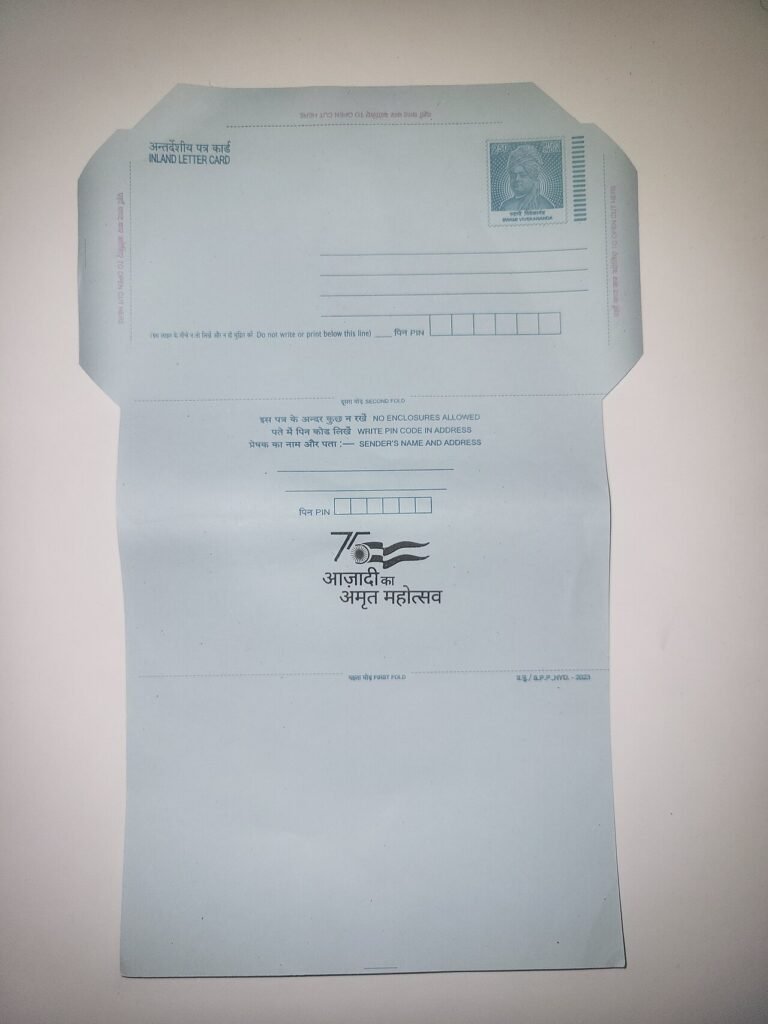
The name is Postal Index Number, which is why "PIN code" says the word number twice. The first digit is a region. India was cut into eight of them, numbered 1 to 8. Digits 1 and 2 cover the north, 3 and 4 the west, 5 and 6 the south, 7 and 8 the east. A ninth digit was kept back for the Army Postal Service, so a PIN beginning with 9 points to a soldier’s field post office and not to any spot on the civilian map. The second digit narrows the region to a sub-region, roughly a state or postal circle. The third picks out a sorting district, with its main office in the biggest town. The last three digits belong to one delivery post office. Small branch offices in the villages around it share its number. Take 110001. The 1 is the northern region. The 11 is Delhi. The 110 is a sorting district inside Delhi, and 001 is the delivery office, in this case the New Delhi General Post Office. A sorter in Guwahati did not need to read Tamil to send a letter towards 600004. He needed to see a 6 and put it in the bag for the south. Somebody further down the line would deal with the 00 and the 004. Twenty years earlier the Election Commission had met its own version of this problem and solved it with pictures, giving every party a symbol in the first general election so that voters who could not read could still choose. The post office used numerals, which look the same on an envelope whatever
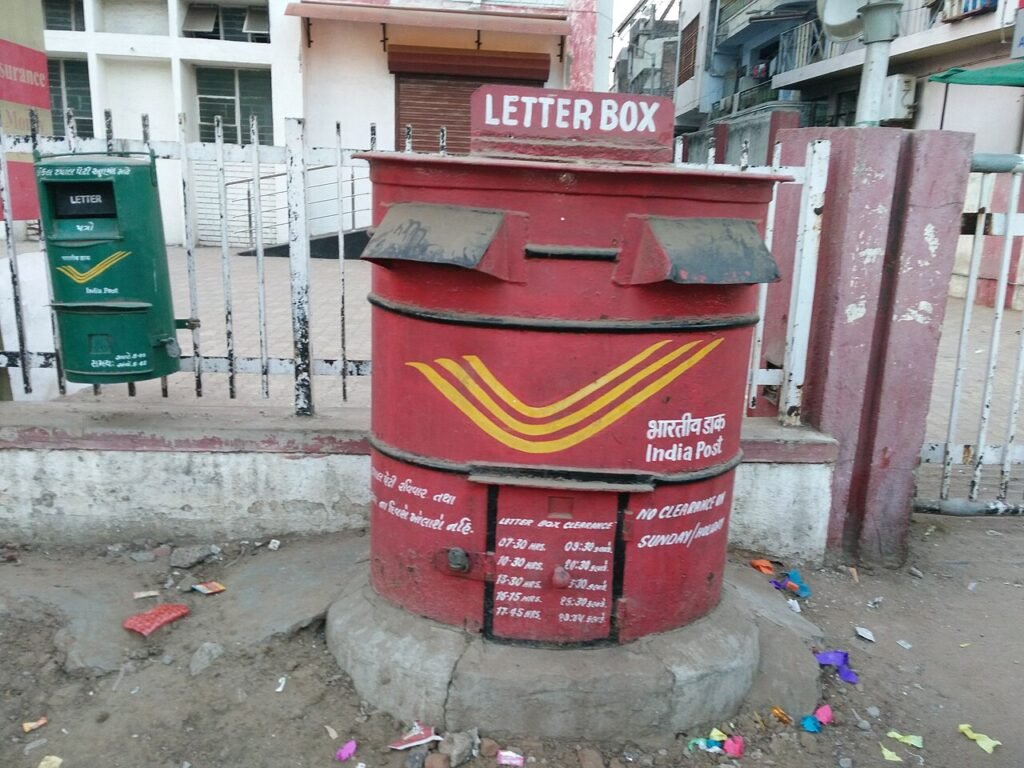
language the rest of the address is in.
15 August 1972
The launch date was the twenty-fifth anniversary of Independence. India was not first. The United States had started its ZIP code on 1 July 1963, and Japan brought in postal codes in July 1968. Both countries were building machines to read the numbers. India’s code was meant for people. The Department’s stated aim was to make manual sorting simpler in a country of repeated place names and many languages. Velankar did not stay long to watch it work. In November 1973 he chaired Indipex-73, an international stamp exhibition held in New Delhi from the 14th to the 23rd, which the Indian Express later reported drew 120 countries. On 31 December 1973, sixteen months after the PIN code began, he retired from government service. He went back to Sanskrit. In 1996 he received the President’s Award for Sanskrit. He died in Mumbai three years later.
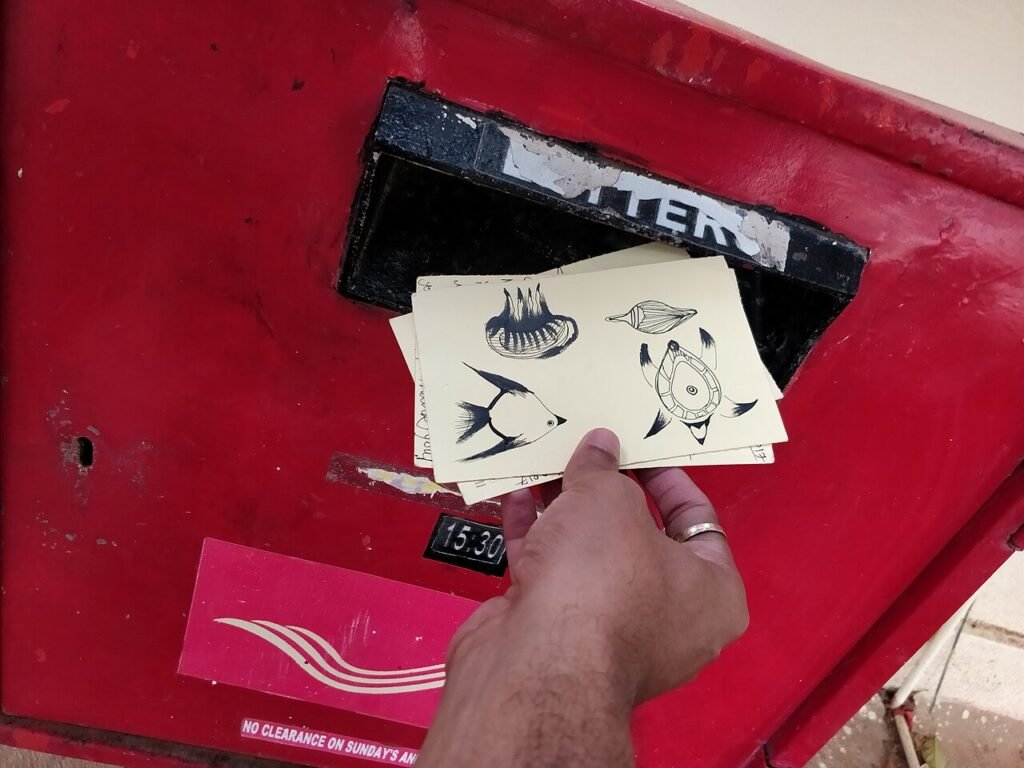
After the letters stopped
Fewer people write letters now. The six digits have found other work. An online shop asks for a PIN code before it will say whether it delivers to you. The Department of Posts says the MICR code printed on bank cheques is built on the PIN system. Mail for India’s research stations in Antarctica has travelled under 403001, which is the PIN of Panaji in Goa. On 12 October 2022 the Minister of State for Communications, Devusinh Chauhan, released a commemorative stamp in Gandhinagar for the code’s golden jubilee. On 27 May 2025 the Department launched DIGIPIN, built with IIT Hyderabad and the National Remote Sensing Centre of ISRO. It is a ten-character code of letters and numbers for a square of ground about four metres by four. A PIN gets a parcel to the right post office. A DIGIPIN is meant to get it to the right door. The Department says the new code will sit alongside ordinary addresses, and the six digits stay. In the 17th Lok Sabha the member for Solapur, Jaisiddeshwar Shivacharya Swamiji, rose to ask the government for one more stamp. He wanted it to carry the name of Shriram Bhikaji Velankar, whom he called the father of India’s PIN code system.
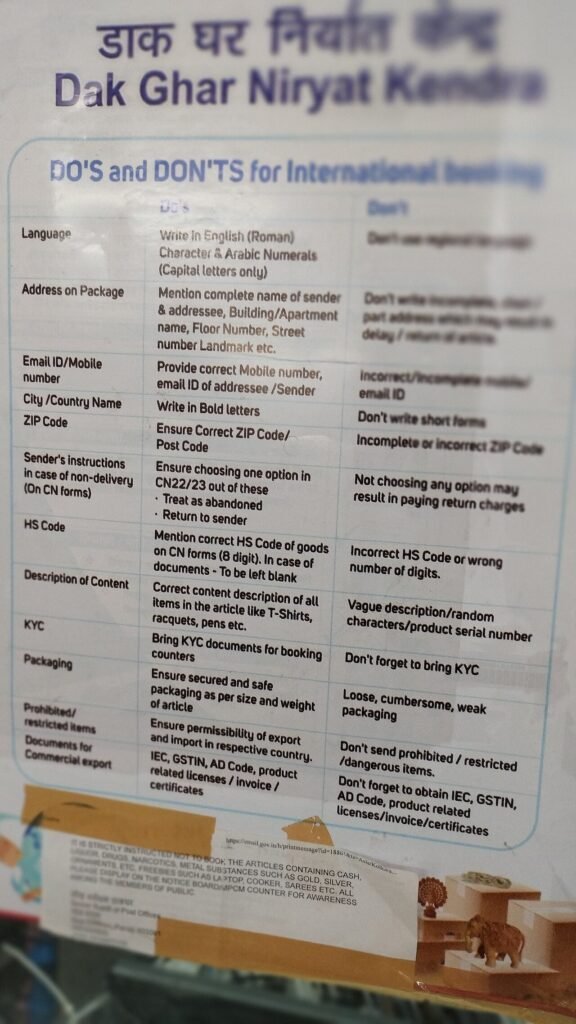
Test your knowledge
Answer 5 questions about the story.
When was the PIN code introduced in India?
The Postal Index Number system came into use on 15 August 1972, the twenty-fifth anniversary of Independence.
Who is credited with creating India’s PIN code system?
Shriram Bhikaji Velankar, then an additional secretary in the Union Ministry of Communications and a senior member of the Posts and Telegraphs Board. He was also a Sanskrit poet and playwright.
What do the six digits of a PIN code mean?
The first digit is the postal region, the second a sub-region or postal circle, and the third a sorting district. The last three digits identify the delivery post office.
Why do some PIN codes start with 9?
The digit 9 is reserved for the Army Postal Service. Digits 1 to 8 cover the eight geographical regions of the country.
Will DIGIPIN replace the PIN code?
No. DIGIPIN, launched on 27 May 2025, is a ten-character code for a square of about four metres by four. The Department of Posts describes it as an addition to existing addresses, and the six-digit PIN remains in use.
Sources and further reading
- Megha Kaveri, "This Independence day, the postal PIN codes celebrate their 46th birthday", The News Minute, 15 August 2018: https://www.thenewsminute.com/news/independence-day-postal-pin-codes-celebrate-their-46th-birthday-86588
- "Explained: History of the PIN code, which turns 50 this I-Day", The Indian Express, August 2022: https://indianexpress.com/article/explained/explained-pin-code-history-independence-day-8090323/
- Press Information Bureau, "Shri Devusinh Chauhan releases Commemorative Postage Stamp on the occasion of Golden Jubilee of PIN Code", 12 October 2022: https://www.pib.gov.in/PressReleasePage.aspx?PRID=1867288
- India Post, "Postal Network" (figures as on 31 March 2025): https://www.indiapost.gov.in/po-network
- S. B. Velankar, Pranahuti: Two radio plays of self-sacrifice (Girvanasudhaprakashanam, Bombay, 1965)
- India Post, DIGIPIN: https://www.indiapost.gov.in/digipin