How a wave without warning revealed both what we had forgotten and what we could still do
On the morning of 26 December 2004, along beaches across South and Southeast Asia, something strange and beautiful happened. The sea drew back.
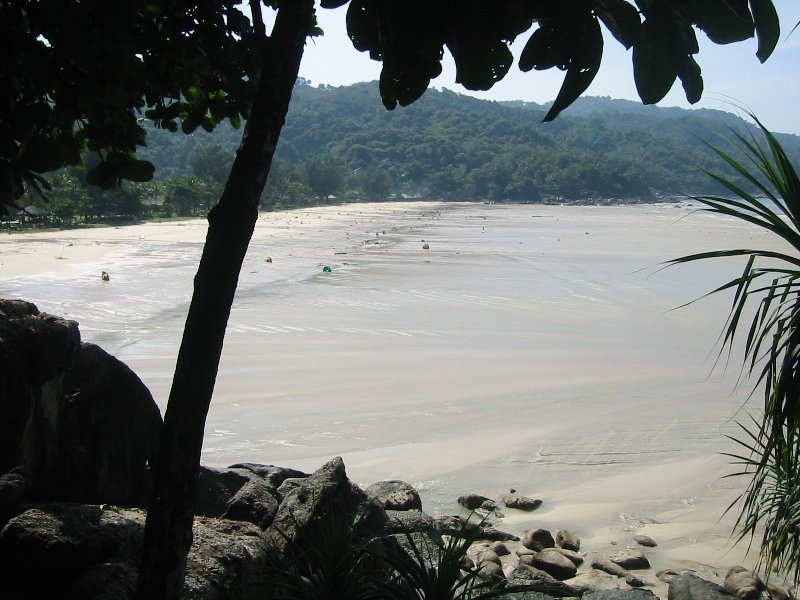
It retreated far out past its lowest tide, further than anyone alive had ever seen it go, laying bare the wet seabed and leaving fish flapping on the exposed sand. And people came down to the water’s edge to look at the wonder of it, to point and to marvel and to gather up the stranded fish, not knowing that the ocean pulling back was the only warning they would ever be given.
Minutes later, it came back, as a wall of water. By the end of that day, more than two hundred thousand people, across a dozen countries, were dead.
This is the story of the 2004 Indian Ocean tsunami, one of the deadliest natural disasters in all of human history, and of the two very different things it revealed about us: how much we had forgotten, and how much, even in the depths of our grief, we could still do for one another.
The earthquake beneath the sea
It began far out under the ocean, off the coast of the Indonesian island of Sumatra.
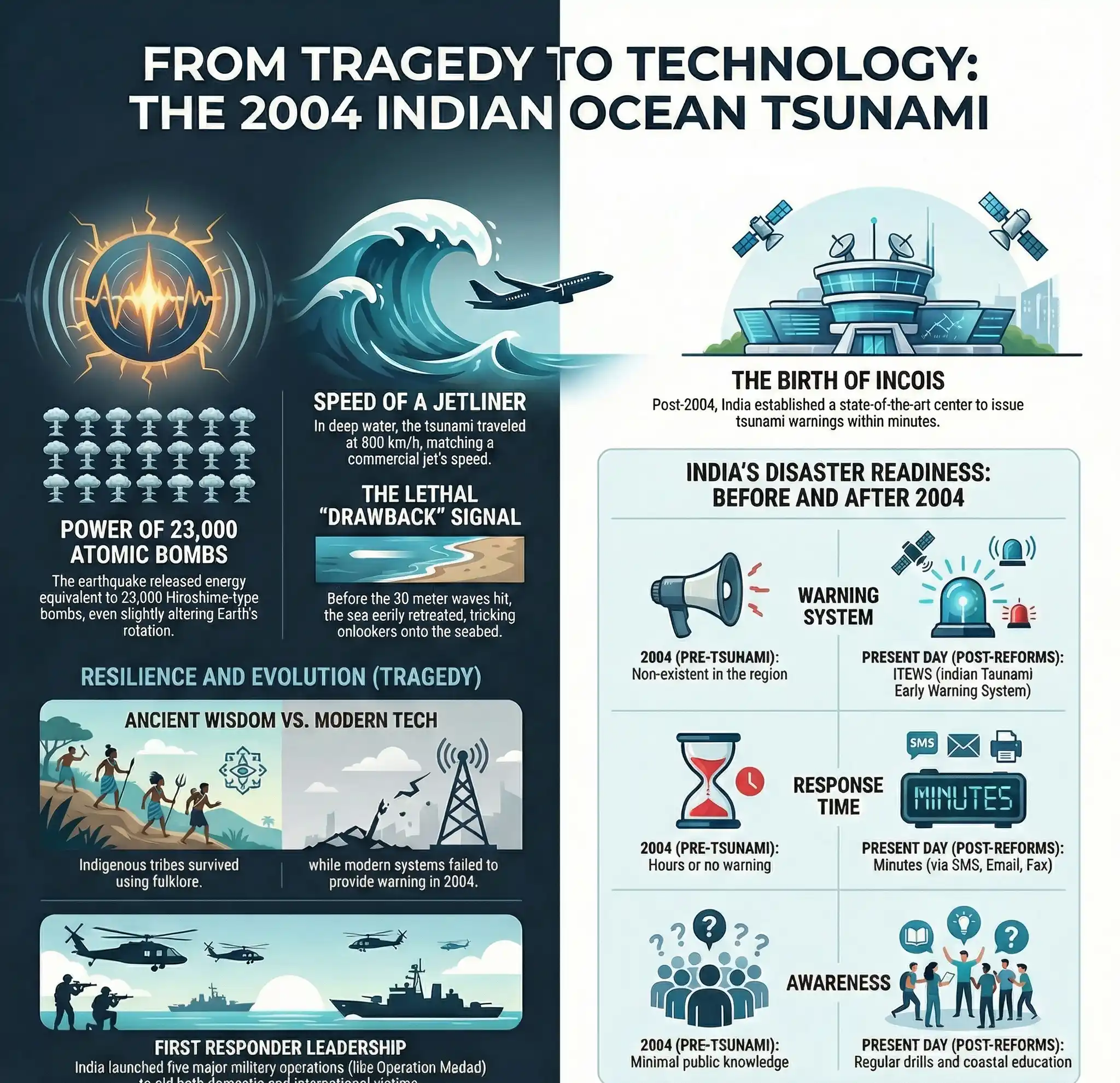
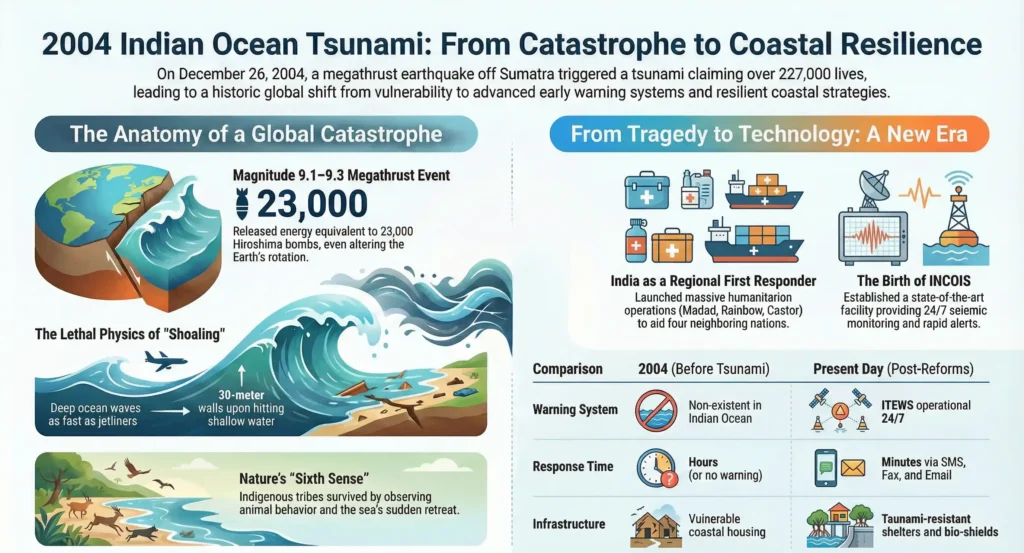
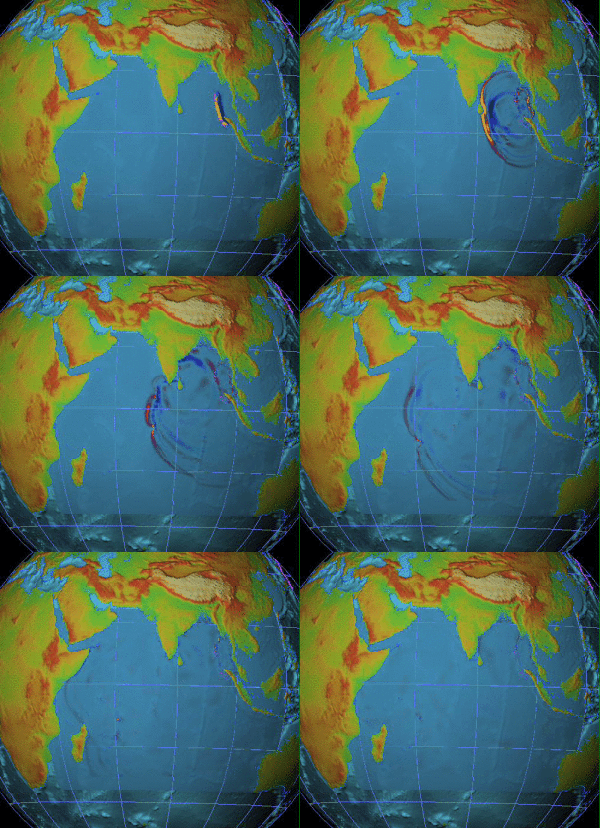
There, in the dark of the deep sea, one vast slab of the earth’s crust lurched violently beneath another, unleashing one of the most powerful earthquakes ever recorded. The seabed itself heaved upward, and in heaving it shoved the entire weight of the ocean above it. That shove became a set of waves that raced outward across the Indian Ocean at the speed of a jet aircraft, so low and so long that in the open sea a ship might barely feel them pass, until they reached the shallow water near a shore and reared up into towering walls.
And here is the fact that turned an earthquake into a catastrophe: there was no warning. The Pacific Ocean had long had a network to detect tsunamis and sound the alarm. The Indian Ocean had none at all. The waves crossed hundreds of miles of open water and fell upon coast after coast with no siren, no message, no one told to run.
The Purulia Arms Drop Mystery 1995: When the Sky Rained Guns
8 Defining Chapters in the Vikram Sarabhai Biography
The wave
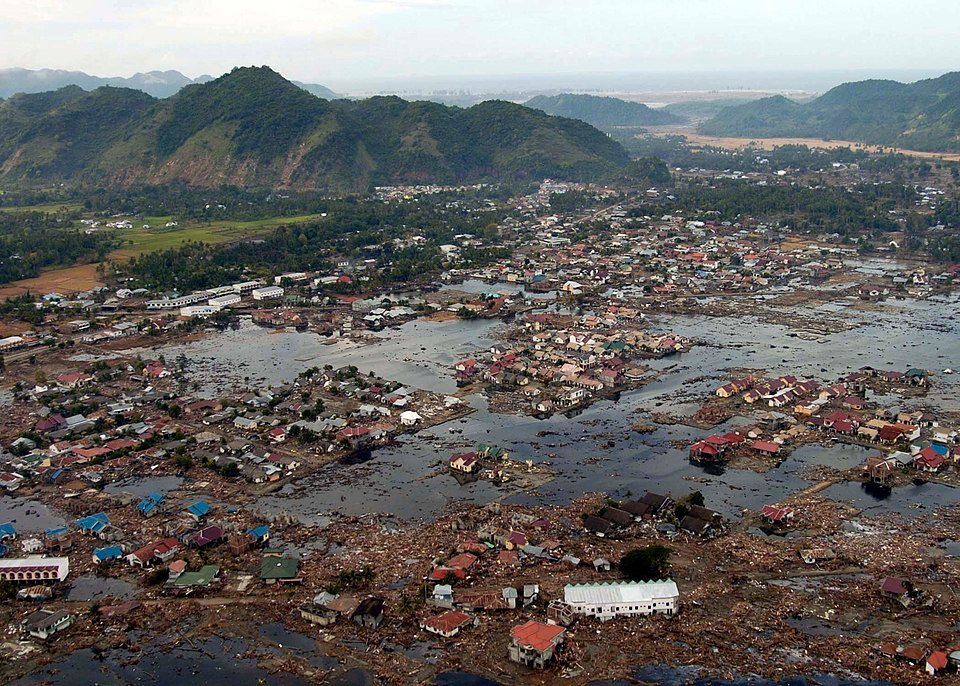
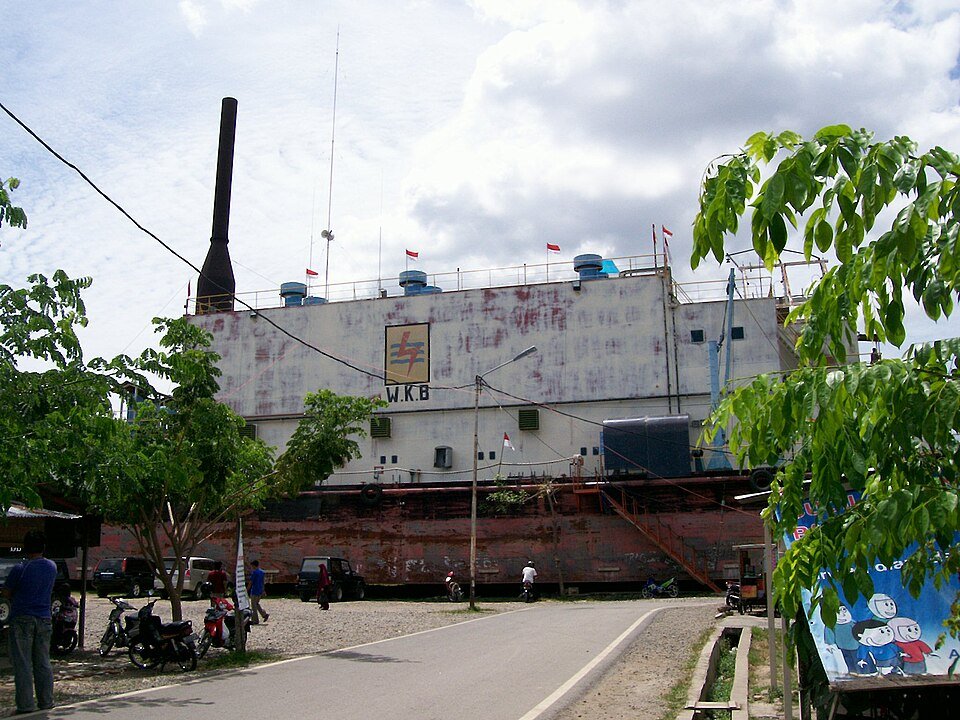
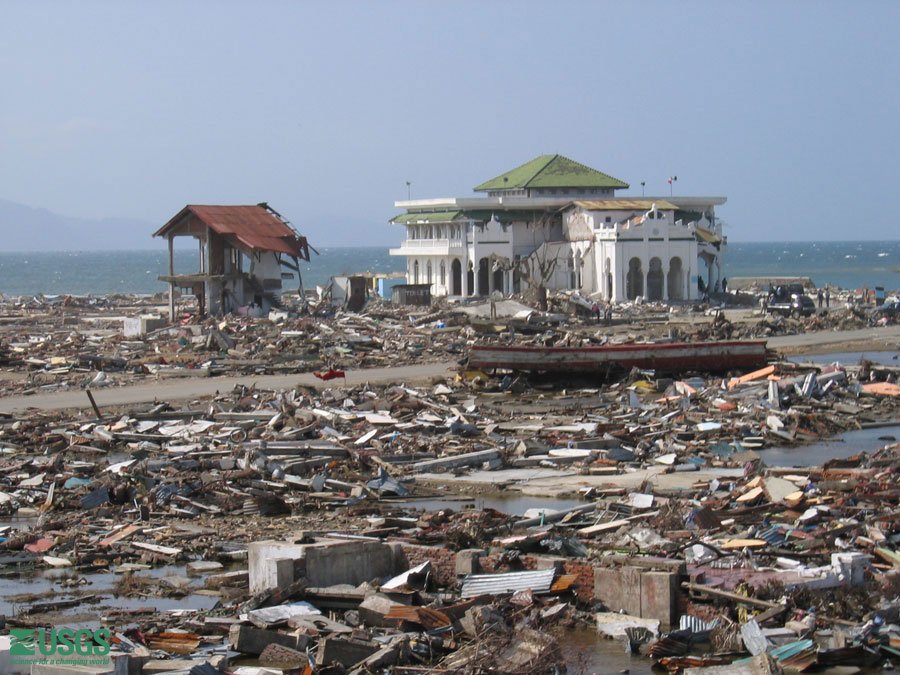
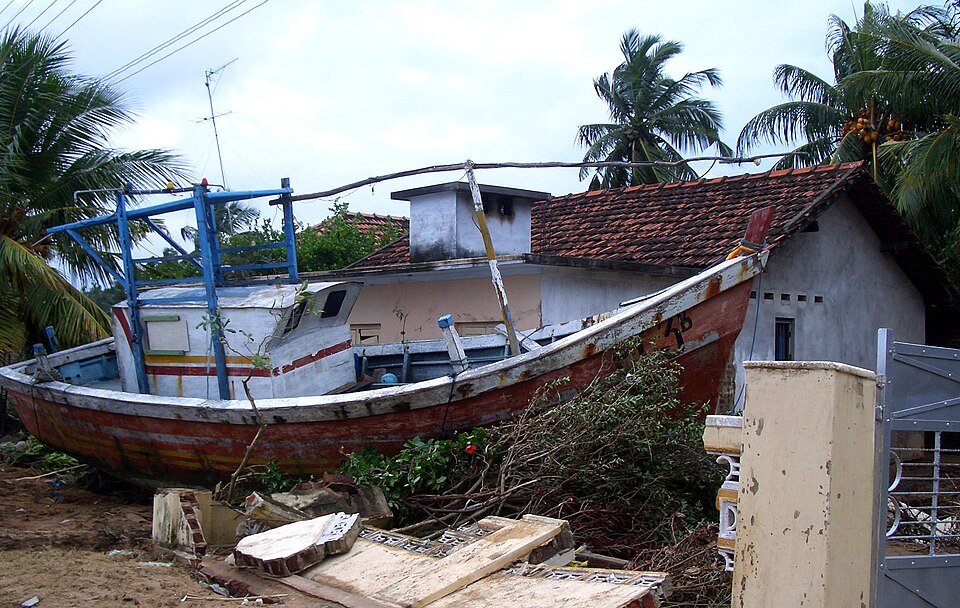
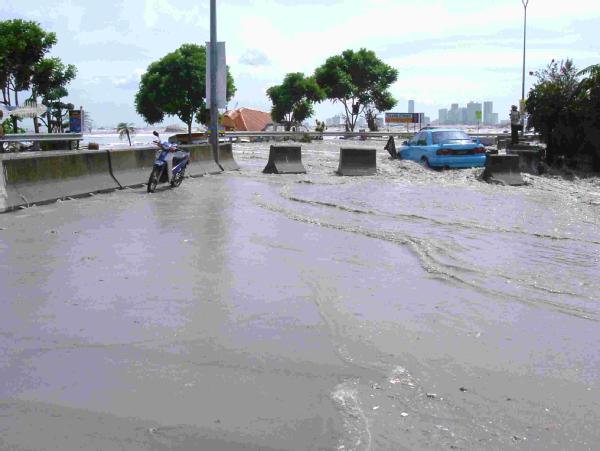
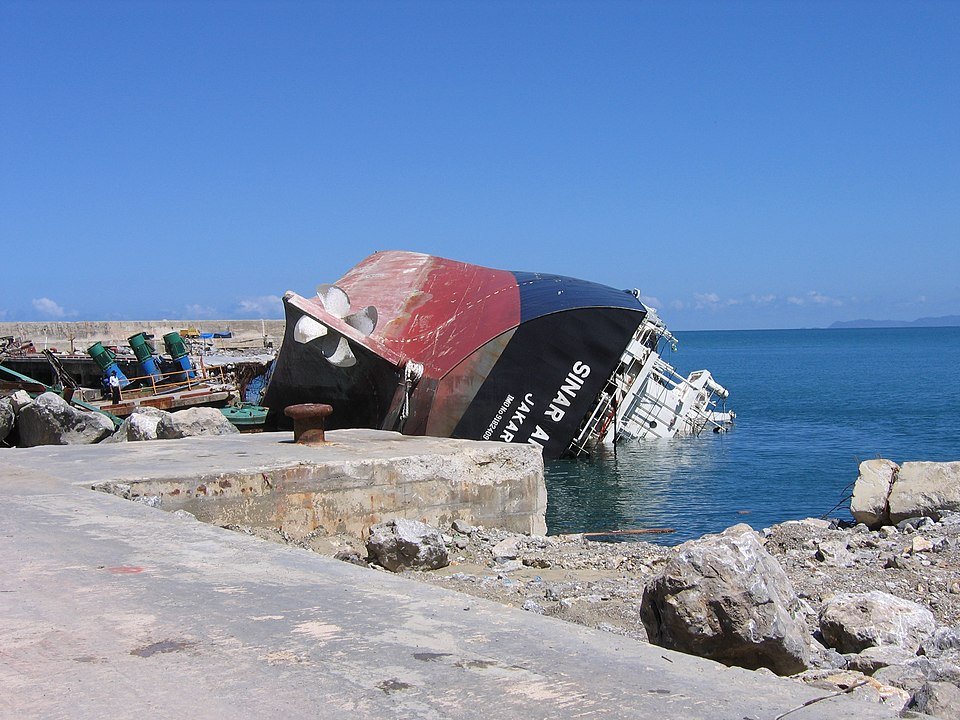
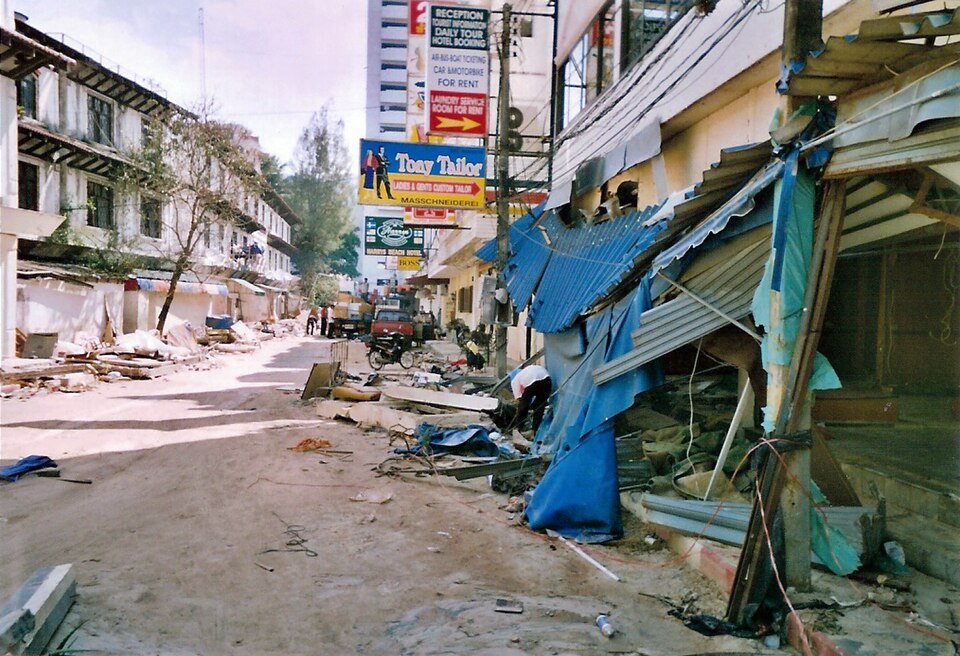
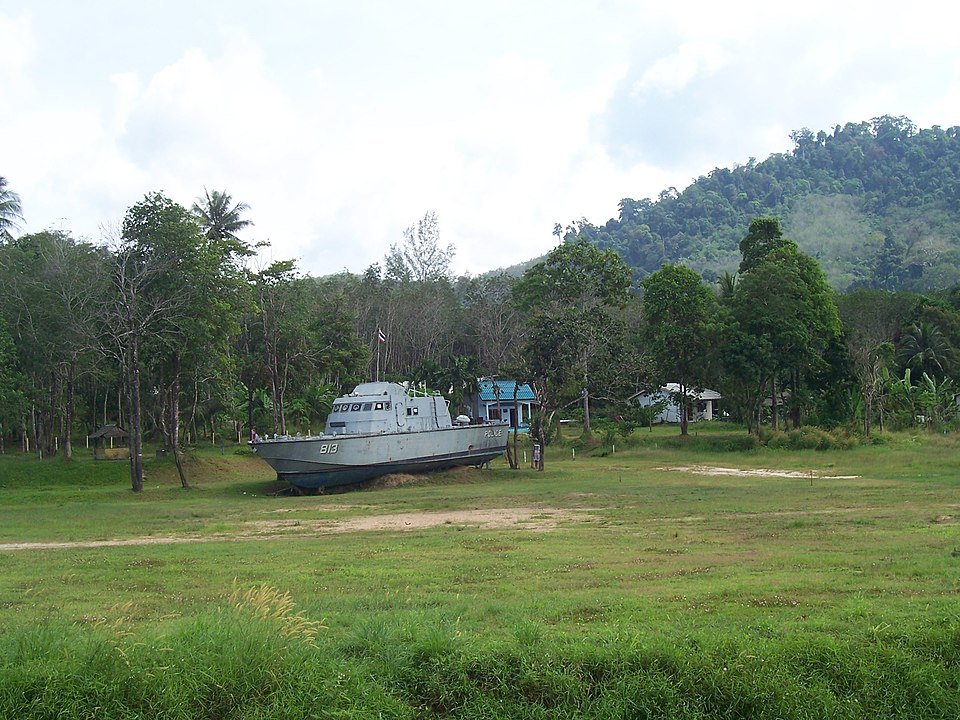
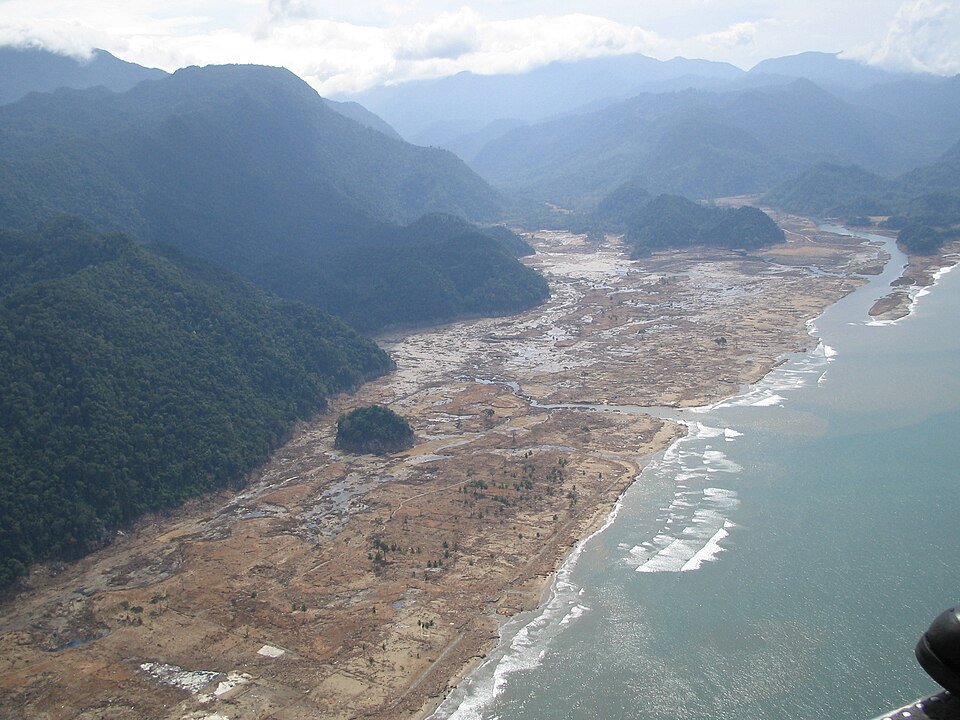
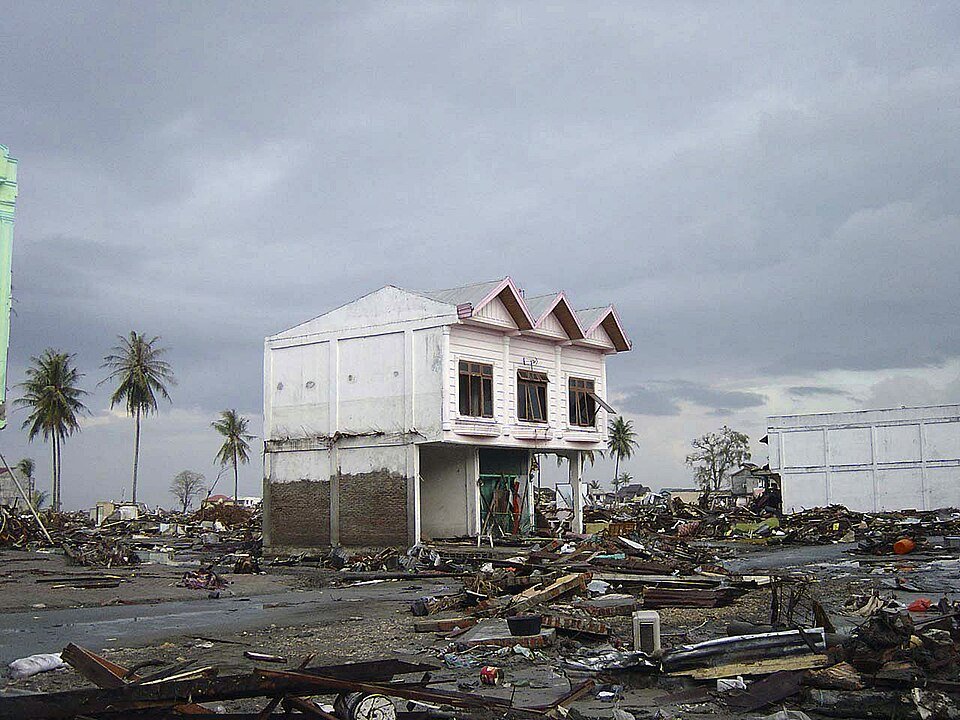
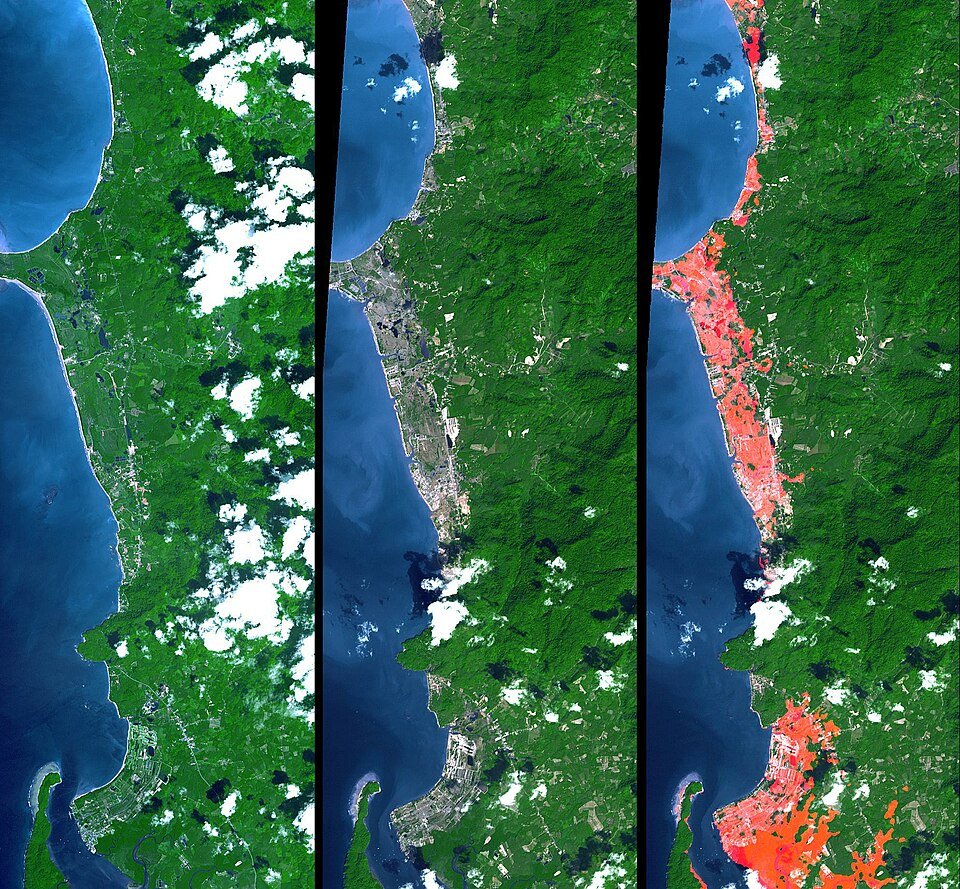
The waves struck first and hardest close to the earthquake, in Indonesia, where entire towns were simply erased from the map. Then, over the following hours, they reached the coasts of Thailand and Sri Lanka, the southern shores of India, the low-lying islands of the Maldives, and at last, thousands of miles away, the coast of Africa.
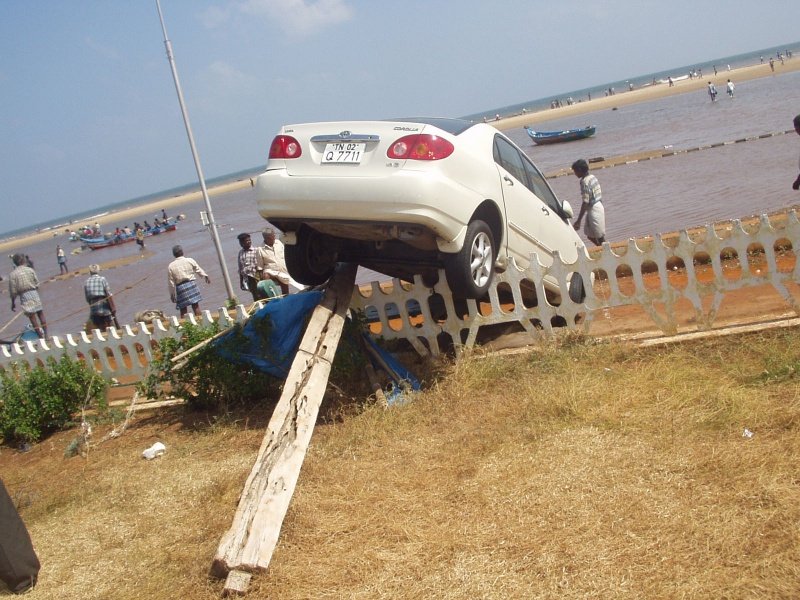
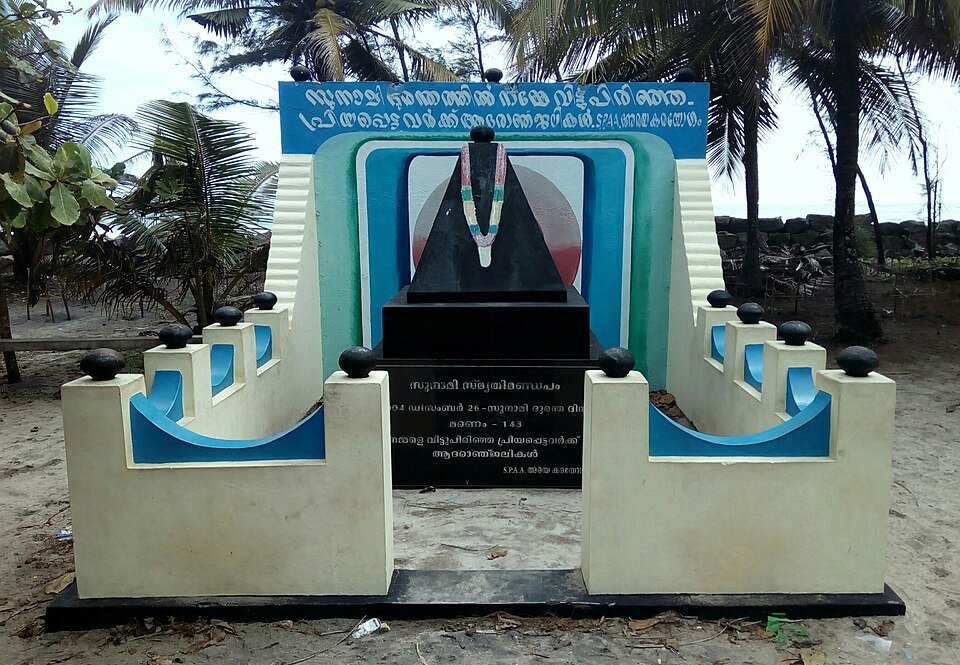
In India, the shores of Tamil Nadu and the Andaman and Nicobar Islands took the worst of it. When the water finally drew back for good, the toll was almost too large for the mind to hold. More than two hundred and thirty thousand people were dead across fourteen countries, tens of thousands of them in India alone.
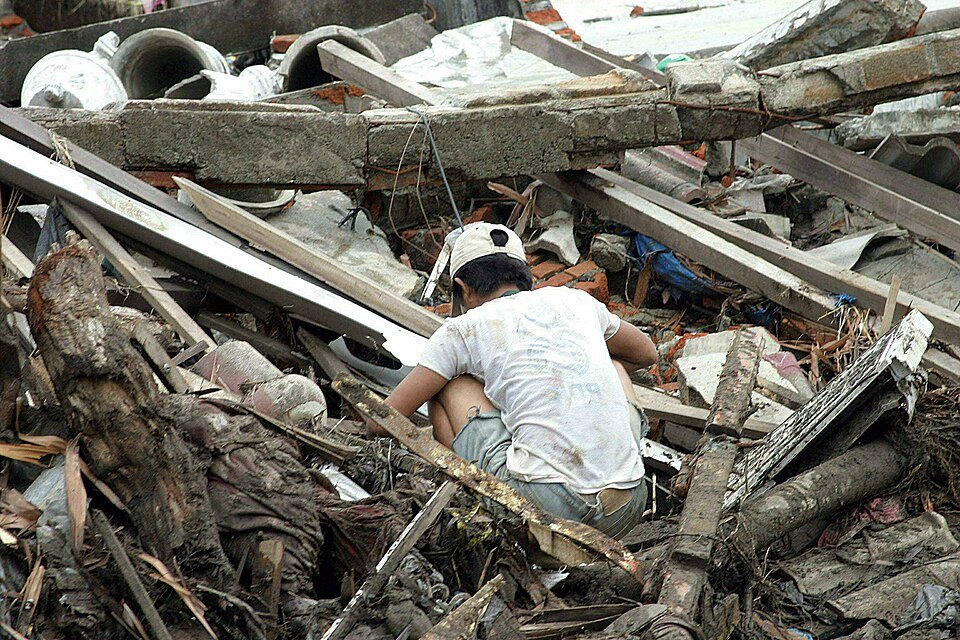
In a single morning, one wave born of one earthquake killed more than two hundred thousand people in a dozen nations, and left a grief that circled half the world.
There was a particular cruelty in the arithmetic of it. In many places, far more of the dead were women and small children, because when the water came they were the least able to run fast enough, or to hold on hard enough, against a force that tore grown men from the trees they clung to.
The ones who could still read it
And yet, in the midst of all that death, there is one detail that has never stopped haunting those who hear it.
On some of the Andaman and Nicobar Islands live a handful of ancient tribes, among the oldest continuous human communities on the face of the earth, people who have lived on those shores for tens of thousands of years and have kept, to this day, almost entirely to their old ways. When the sea began to behave strangely that morning, when the water pulled back and the animals grew restless and the birds rose in a mass and fled inland, those people knew exactly what it meant. Across hundreds of generations, their ancestors had handed down the memory of the angry sea, and the one command that went with it: when the water runs away, run to the high ground.
So they ran. And they survived, by the reports that came later, very nearly to the last person.
While modern people stood on the beaches watching the strange, retreating sea in wonder, the tribes we so often call primitive were already climbing for the hills, because they had never once stopped listening to the earth.
It was not only the ancient who read the signs. On a crowded beach in Thailand, a ten-year-old English girl who had learned about tsunamis in a school lesson just weeks before saw the sea pull back and the water begin to bubble, understood at once what was coming, and raised the alarm loudly enough to clear the beach before the wave arrived. Old knowledge or new, the pattern was the same. Those who could read the warning lived. Those who could not, in far too many places, did not.
Dr. A.P.J. Abdul Kalam: (1931-2015)
What we had forgotten
There is a humbling lesson buried in that contrast, and it is worth sitting with quietly.
The modern world understood the tsunami, as pure science, far more completely than any tribal elder ever could. It knew the physics of the fault and the wave down to the last equation. What it did not have, on that coast, was any way to turn that knowledge into a warning in time. And more deeply, it had let slip the older and simpler human habit of watching the earth closely and heeding what it plainly says.
The sea gave the very same warning it has always given, the long, strange retreat before the wave. The difference between the living and the dead, in place after place that morning, came down to something startlingly basic: whether anyone there still knew how to read it.
The other thing the wave revealed
But the disaster laid bare something else about human beings, and it was the very opposite of that forgetting.
It showed how, in the face of an enormous and shared grief, people turn toward one another. Help poured in from every corner of the earth. Ordinary people in countries that had felt nothing of the wave gave what they could to strangers they would never meet, on shores they would never see.
And India, itself badly wounded, did something in those days that quietly marked a coming of age. Rather than accept the foreign aid that the world offered it, India chose to shoulder its own relief, and then it turned outward and sent its navy and its help to its even harder-hit neighbours, to Sri Lanka and the Maldives and beyond.
A country that had spent most of its history as a receiver of the world’s aid stood up, in its own hour of loss, and became a giver of it.
1971 Nagarwala Case: India’s Great Bank Heist Mystery
Never again unwarned
Out of the catastrophe came a hard resolve that it must never happen so blindly again.
In the years that followed, India and its neighbours built for the Indian Ocean the warning system it had never had: a web of sensors resting on the seabed and buoys riding the surface, able to sense a tsunami as it is born and send the alarm racing ahead of the waves, so that next time the coast will have the few precious minutes it needs to flee. In its own way, the ancient knowledge that the island tribes had carried in memory and story was, at last, built into instruments and made available to everyone.
The sea that pulled back
In the end, the 2004 tsunami is a story about the two things human beings are, held together in a single terrible morning.
We are the creatures who grew so clever and so busy that we half forgot to listen to the earth that carries us, and paid a fearful price for the forgetting. And we are also the creatures who, when the worst comes, weep for strangers on the far side of the world, empty our pockets for people we will never meet, and climb out of our own ruins to lift up our neighbours.
The wave cared for none of that. Nature never does. It is utterly indifferent to us, and it can wipe away in a single morning what human beings have built and loved across whole lifetimes, and no amount of grief or goodness can argue it out of doing so.
Nature is indifferent to us, and can erase in one morning what we build over lifetimes. What we choose to do in the face of that indifference is the one thing that is entirely ours.
But what we do in the face of that indifference is ours alone to decide. We can choose to listen more closely to the world again, the way the oldest among us never stopped doing. And we can choose, when the sea comes for our neighbours, to run toward them and not away. The sea pulled back that morning and gave its ancient warning, and hundreds of thousands who could no longer read it died. The least the living can do is learn, at last, to read it again, and to remember the oldest truth there is: that on a beautiful and dangerous planet, indifferent to whether we live or die, the only real shelter any of us has ever had is one another.
The Roopkund Skeleton Lake Mystery: Why Were Greeks Dying in the Indian Himalayas?
If you think you have remembered everything about this topic take this QUIZ
Results


#1. What was the primary geological cause of the 2004 Indian Ocean Tsunami?
#2. What is the phenomenon called when the sea retreats far from the shore just before a tsunami hits?
#3. Which Indian region faced the double blow of both the initial earthquake and the immediate arrival of the tsunami waves?
#4. How did the indigenous tribes of the Andaman & Nicobar Islands, like the Jarawas, survive with minimal casualties?
#5. India launched several relief operations for its neighbors. What was the name of the operation sent to assist Sri Lanka?
#6. What is the name of the state-of-the-art facility in Hyderabad that now monitors tsunami risks for India?
#7. According to the ‘Fast Facts,’ the tsunami was so powerful it slightly altered the Earth’s rotation. By how much was the day shortened?
#8. What ‘rare phenomenon’ explains why the tsunami hit the west coast of Kerala despite the east coast being the primary target?
What caused the 2004 Indian Ocean Tsunami?
It was caused by a massive 9.1–9.3 magnitude undersea megathrust earthquake where the Indian tectonic plate subducted (dived) under the Burma plate, displacing a massive volume of water.
How many people died in the 2004 Tsunami in India?
Official records state that 10,749 people died and 5,640 went missing in India. The worst affected areas were Tamil Nadu and the Andaman & Nicobar Islands.
Did India have a tsunami warning system in 2004?
No. At that time, there was no dedicated early warning system for the Indian Ocean. This lack of data contributed significantly to the high death toll.
What is Operation Sea Waves?
Operation Sea Waves was a massive relief and rescue operation launched by the Indian Armed Forces immediately after the tsunami to aid the stranded people in the Andaman & Nicobar Islands.
How fast did the tsunami waves travel?
In the open ocean, the waves traveled at speeds up to 800 km/h (500 mph). However, they slowed down to about 30-40 km/h as they hit the coast, while increasing drastically in height.
Sources & References
- Encyclopaedia Britannica (“2004 Indian Ocean tsunami”) — the earthquake, the waves, and the scale of the disaster.
- United States Geological Survey (the 2004 Sumatra-Andaman earthquake) — the science behind the quake and the tsunami.
- UNESCO Intergovernmental Oceanographic Commission (the Indian Ocean Tsunami Warning System) — the warning system established after 2004.
- Anthropological Survey of India (the indigenous peoples of the Andaman and Nicobar Islands) — the ancient tribes and their traditional knowledge of the sea.
Author


Exploring the Soul of Bharat through History, Science, Culture, and its Diversity
Our Mission
Curious Indian is a definitive knowledge portal dedicated to chronicling the events, personalities, and cultural shifts that defined the Indian subcontinent. From the ancient Vedic Period to the complexities of 21st-century politics, our goal is to provide deep-dive analysis that inspires.
Editorial Standards & E-E-A-T
Every article published under our brand undergoes a rigorous fact-checking process. We prioritize primary historical records, academic citations, and credible archives to ensure our readers receive accurate, high-authority information.
Historical Integrity Directly sourcing from ASI archives and academic journals.Topical Authority Comprehensive clustering of Indian Science, Biographies, and Wars.Managed by Paripurna Datta and TEAM | Dedicated to the Knowledge of India.