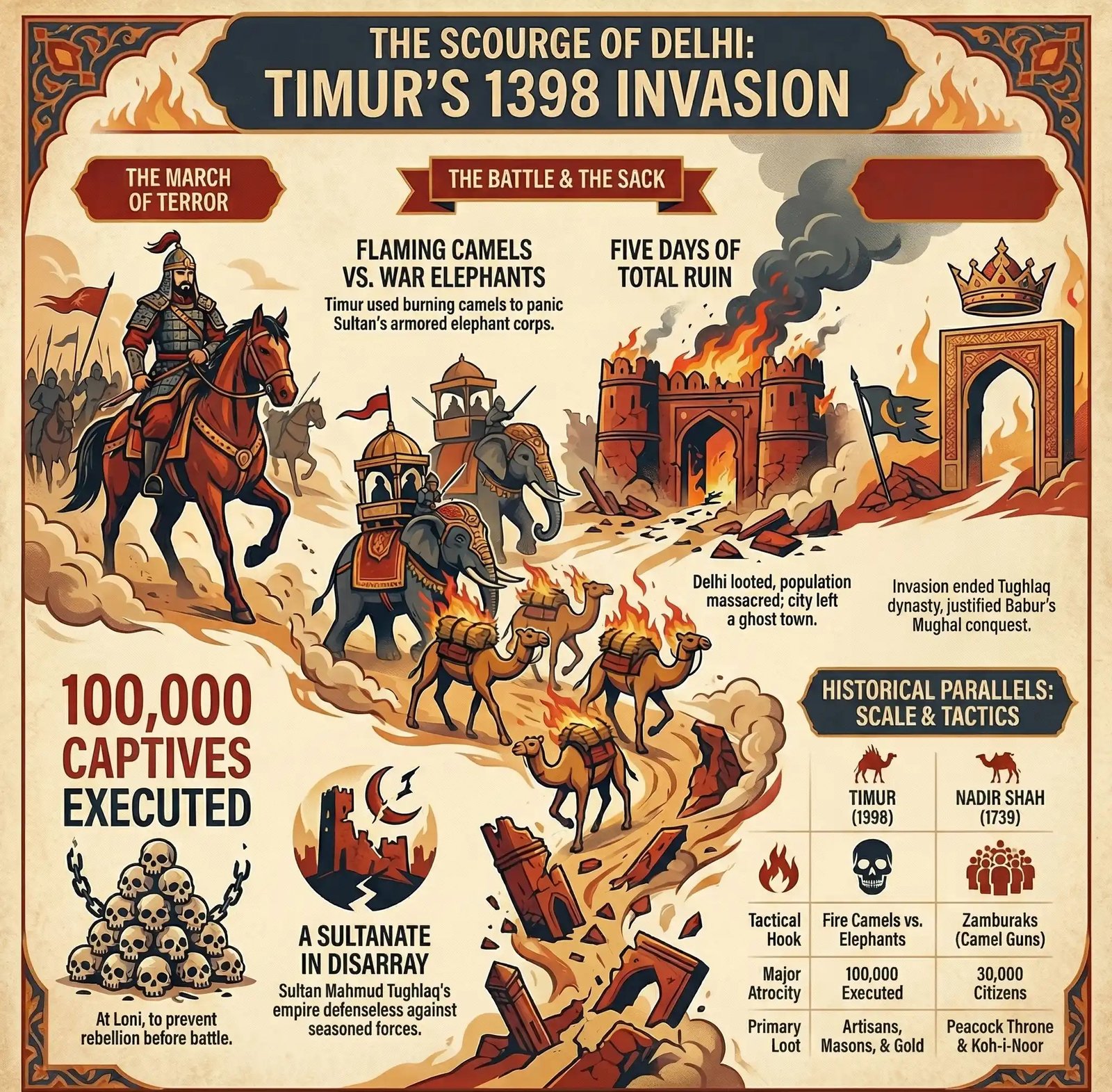
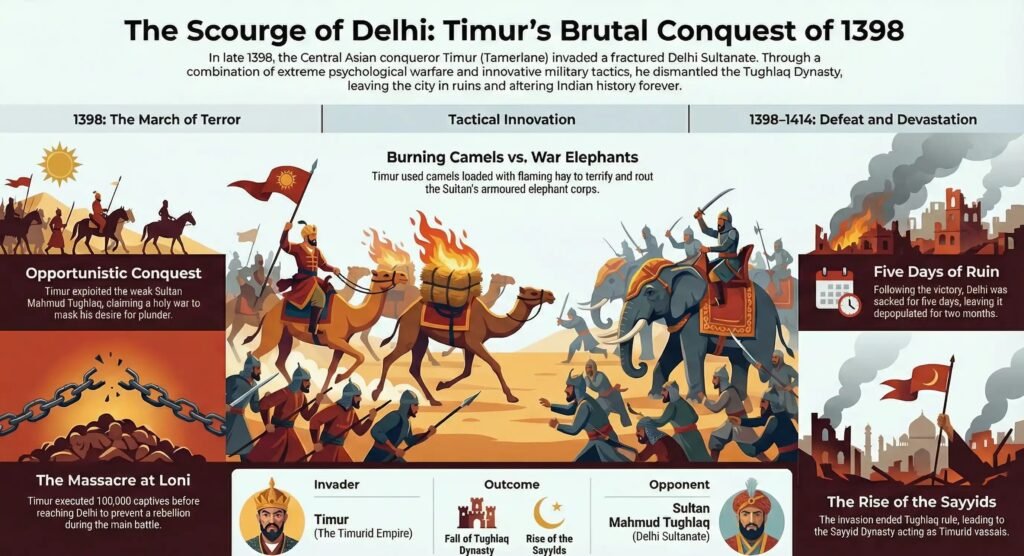
Timur's Invasion of Delhi took place in December 1398. Timur (Tamerlane), the founder of the Timurid Empire, marched from Samarkand to India with the dual aim of religious war (Jihad) and plunder. The Delhi Sultanate, then ruled by the weak Sultan Nasir-ud-Din Mahmud Shah Tughlaq, was in disarray. After crossing the Indus in September, Timur marched towards Delhi, leaving a trail of destruction. In a brutal move before the main battle, he ordered the execution of 100,000 Hindu captives at Loni to prevent a rebellion. On December 17, 1398, his army faced the Sultan's war elephants outside Delhi. Using innovative tactics involving fire and camels, Timur panicked the elephants and routed the Indian army. He then entered Delhi, where a 5-day massacre ensued, reducing the city to rubble. He left India in 1399, appointing Khizr Khan as his governor, which led to the founding of the Sayyid Dynasty.| Feature | Details |
| Invasion Year | 1398 AD |
| Invader | Timur (Tamerlane) |
| Origin | Samarkand (Central Asia) |
| Opponent | Sultan Mahmud Tughlaq |
| Decisive Battle | Battle of Delhi (Dec 17, 1398) |
| Key Atrocity | Execution of 100,000 captives at Loni |
| Tactical Innovation | Burning camels to scare elephants |
| Outcome | Fall of Tughlaq Dynasty; Rise of Sayyids |
| Legacy | Justification for Mughal Invasion (Babur) |
The Scourge of God: Who Was Timur?
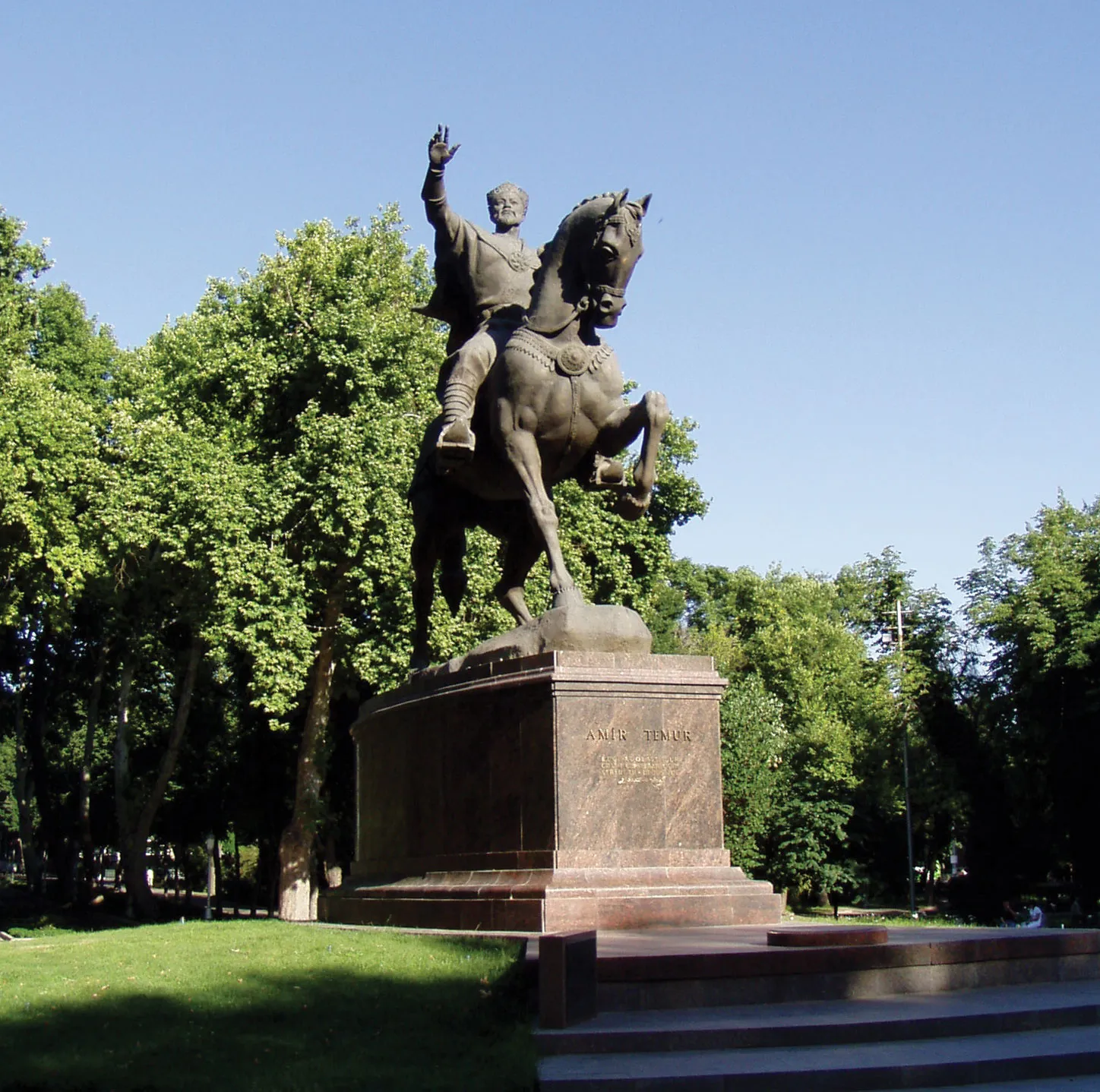
Timur was a Turco-Mongol conqueror who claimed descent from Genghis Khan. Despite being lame in his right leg (hence Timur-i-Lang or Tamerlane), he was a military genius of unparalleled cruelty. By 1398, he had conquered Persia and Central Asia. He set his sights on India, calling it a holy war against the “infidels,” though his primary motivation was the fabled wealth of the Tughlaq Sultans.
The Weakness of Delhi
The Delhi Sultanate was a shadow of its former self. After the death of Firuz Shah Tughlaq, the empire had fractured. The reigning Sultan, Mahmud Tughlaq, was a puppet in the hands of his minister Mallu Iqbal. They were busy fighting civil wars while the storm gathered on the frontier.
Third Battle of Panipat 1761: The Day the Maratha Dream Died
The March of Terror
Timur crossed the Indus in September 1398. His march was a parade of horror. He sacked Tulamba, destroyed Bhatner, and marched towards Delhi.
- The Massacre at Loni: By the time he reached the outskirts of Delhi, Timur had captured nearly 100,000 people. Fearing that these prisoners might revolt during the main battle, he ordered them all to be executed in cold blood. Even his religious teachers were forced to kill captives with their own hands.
The Battle of Delhi: December 17, 1398
The Sultan’s army fielded 120 war elephants, armored with poison-tipped tusks. These beasts terrified Timur’s cavalry.
- Timur’s Counter-Strategy: Timur ordered his men to load camels with dry wood and hay. As the elephants charged, he set the camels on fire and prodded them forward. The sight of burning, screaming camels terrified the elephants. They turned around and trampled their own infantry.
- The Rout: The Delhi army collapsed. Sultan Mahmud Tughlaq fled to Gujarat, and Mallu Iqbal escaped to Baran, leaving the capital defenseless.
Second Battle of Panipat 1556: The Arrow That Changed History
The Sack of Delhi
Timur entered Delhi on December 18. The Khutba was read in his name. Initially, he promised amnesty. However, when his soldiers began molesting women and looting houses, the citizens resisted. This triggered Timur’s fury.
- Five Days of Hell: For five days, the streets of Delhi ran with blood. Heads of citizens were piled into pyramids (“towers of skulls”)—a trademark of Timurid warfare.
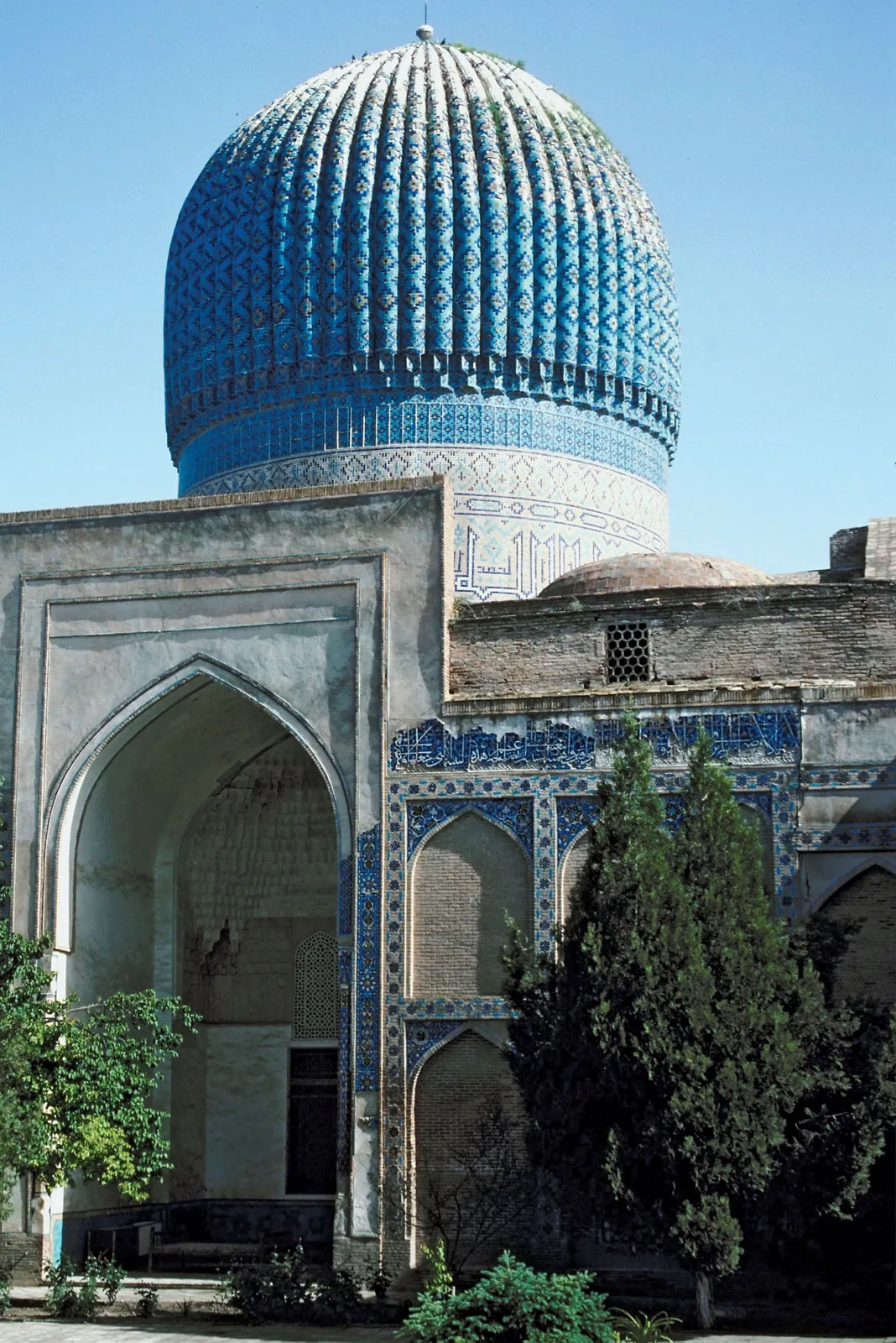
- The Loot: The wealth accumulated by the Tughlaqs over nearly a century was carted away. Timur took not just gold but also artisans, masons, and stone-cutters to Samarkand to build his famous Bibi Khanum Mosque.
- The Ghost Town: When Timur left in January 1399, Delhi was depopulated. It is said that “for two whole months, not a bird moved wing in Delhi.”
The Aftermath: A Broken Empire
Timur did not stay to rule. He was a raider, not a settler. He appointed Khizr Khan (a former governor of Multan) as his viceroy in Punjab. Khizr Khan would later capture Delhi and found the Sayyid Dynasty in 1414, ruling as a vassal of the Timurids. This connection gave Babur (Timur’s great-great-great-grandson) the “legal” claim to invade India in 1526.
First Battle of Panipat 1526: The Dawn of the Mughal Empire
Quick Comparison Table: Timur vs. Nadir Shah
| Feature | Timur (1398) | Nadir Shah (1739) |
| Origin | Samarkand (Timurid) | Persia (Afsharid) |
| Opponent | Mahmud Tughlaq | Muhammad Shah Rangeela |
| Key Tactic | Fire Camels vs. Elephants | Zamburaks (Camel Guns) |
| Atrocity | 100,000 Captives + City Massacre | 30,000 Citizens (Katal-e-aam) |
| Loot | Artisans & Gold | Peacock Throne & Koh-i-Noor |
| Impact | Ended Tughlaq Dynasty | Ended Mughal Prestige |
Curious Indian: Fast Facts
- The Elephant Effect: Timur was so impressed by the elephants he captured that he took them back to Samarkand and used them to carry stones for his mosque.
- The Justification: Timur justified his invasion by claiming the Tughlaq Sultans were too lenient on their Hindu subjects, calling it a “Holy War.” In reality, he killed Muslims and Hindus alike during the sack.
- The Babur Connection: In his memoirs Baburnama, Babur repeatedly refers to his ancestor Timur’s conquest to justify his own right to the throne of Delhi.
- Famine: The destruction of standing crops and granaries by Timur’s army caused a massive famine in North India that lasted for years after his departure.
Conclusion
Timur’s Invasion of Delhi was a calamity that exposed the fragility of the Sultanate. It proved that a dynasty rotting from within cannot withstand a kick from without. While Timur left as quickly as he came, the scars he inflicted on Delhi took a century to heal, and the political vacuum he created paved the way for the eventual Mughal conquest.
Nadir Shah’s Invasion of Delhi 1739: The Massacre That Emptied India
If you think you have remembered everything about this topic take this QUIZ
Results


#1. Beyond the stated goal of religious warfare, what was the primary economic motivation for Timur’s invasion of the Delhi Sultanate?
#2. Which individual held the actual political power in Delhi during the time of Timur’s arrival, effectively making Sultan Mahmud Tughlaq a puppet?
#3. What strategic reason did Timur provide for the mass execution of 100,000 captives at Loni prior to the main battle?
#4. How did Timur’s forces effectively neutralise the threat posed by the Sultan’s 120 armoured war elephants?
#5. Following the sack of Delhi, what was Timur’s primary use for the captured Indian masons and stone-cutters?
#6. In the aftermath of the invasion, what role did Khizr Khan play in the political restructuring of Northern India?
#7. How did Timur’s 1398 invasion later serve the interests of his descendant, Babur, in 1526?
#8. Which of the following describes a key difference between Timur’s invasion and Nadir Shah’s invasion as presented in the source material?
When did Timur invade India?
Timur invaded India in 1398 AD.
Who was the ruler of Delhi during Timur’s invasion?
Sultan Nasir-ud-Din Mahmud Shah Tughlaq was the ruler.
Why did Timur execute 100,000 prisoners?
He feared they would revolt and join the Delhi army during the main battle, so he ordered their massacre at Loni.
How did Timur defeat the war elephants?
He used camels loaded with burning wood to terrify the elephants, causing them to trample their own forces.
Which dynasty rose after Timur’s invasion?
The Sayyid Dynasty (founded by Khizr Khan) rose to power as vassals of the Timurids.