Introduction
The Sangam Period broadly spans c. 300 BCE–300 CE in ancient Tamilakam, marked by vibrant Tamil literature, expanding polities of the Chera, Chola, and Pandya, and flourishing inland–maritime trade linking peninsular India to the Mediterranean and Southeast Asia.
Meaning and sources
“Sangam” refers to poet–scholar assemblies whose works constitute the earliest classical Tamil corpus, including Tolkappiyam, Ettuthokai (Eight Anthologies), Pattuppattu (Ten Idylls), and the Pathinenkilkanakku texts, alongside later epics Silappathikaram and Manimekalai. Corroboration comes from Ashokan references to southern rulers, Greco‑Roman authors, coins, and archaeology at sites like Arikamedu, Kodumanal, and Kaveripattinam.
Literature highlights
Grammar and society: Tolkappiyam treats grammar and social–ecological categories that inform readings of Sangam society and landscapes.
Anthologies: Ettuthokai and Pattuppattu organize poems into themes of akam (love/interior) and puram (valor/exterior), preserving bardic patronage, war, ethics, and everyday life.
Ethical texts and epics: Pathinenkilkanakku includes Tirukkural, while Silappathikaram and Manimekalai narrate urban life, trade, justice, and religious pluralism in early Tamil country.
Polity and dynasties
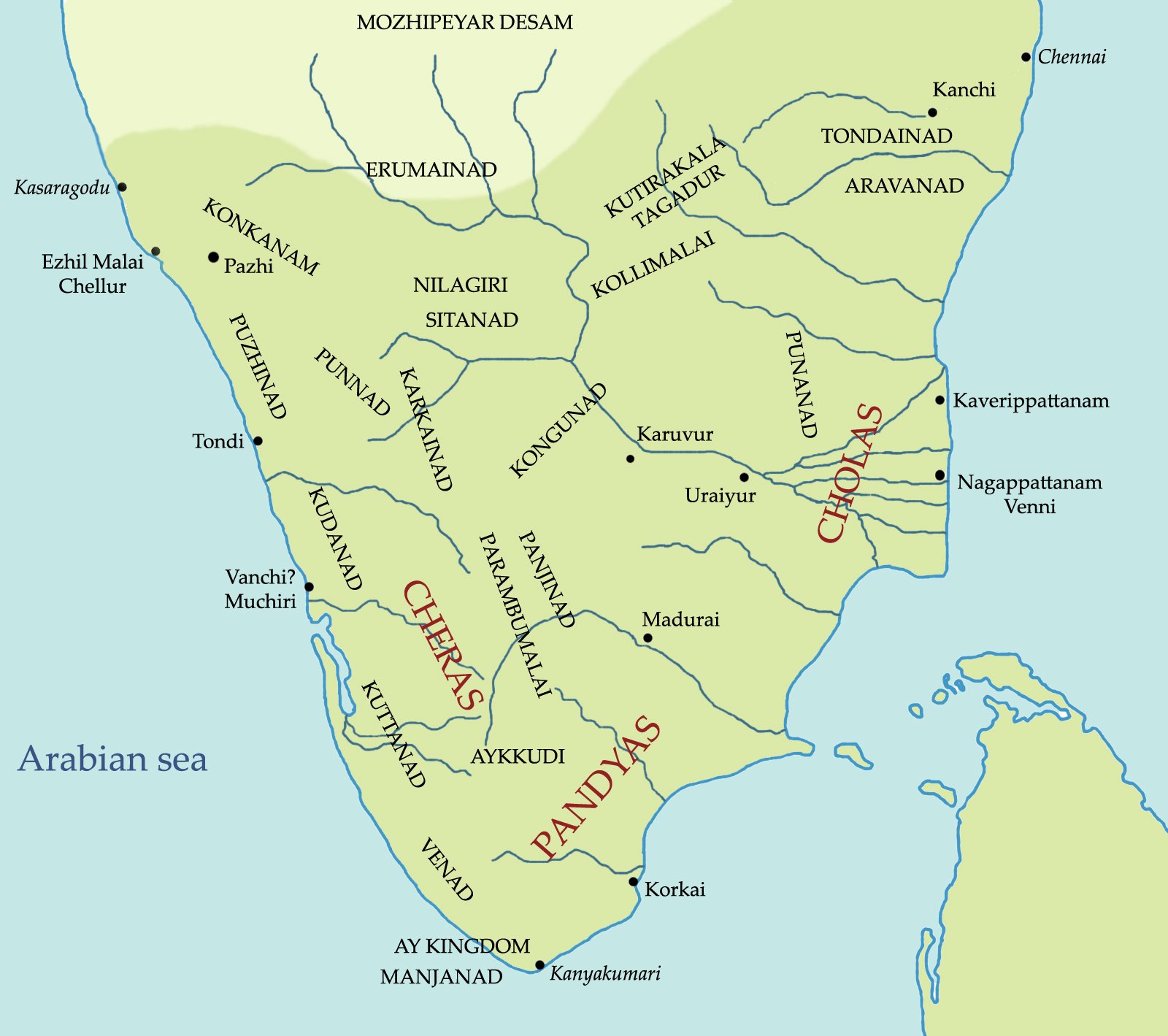
Muvendar: Chera (Kerala–western Tamil region), Chola (Kaveri delta, Uraiyur/Kaveripattinam), and Pandya (Madurai) anchor regional power, with chieftaincies around them.
Kingship and councils: Monarchs ruled with councils and local bodies (e.g., ur/sabha), maintaining forces to secure routes, ports, and agrarian cores.
Notable rulers: Karikala Chola’s agrarian and military renown, and Chera Senguttuvan’s fame in bardic memory illustrate royal profiles tied to irrigation, war, and patronage.
Economy and trade
Agrarian base: Rice dominated the marudam (plains), complemented by pastoral, forest, hill, and coastal ecologies recognized as the five tinai in texts.
Crafts and industry: Excavations show weaving, dyeing, bead‑making (semi‑precious stones), iron and steel working, and organized workshops at Kodumanal and other sites.
Indo‑Mediterranean exchange: Ports like Muziris (Chera), Korkai (Pandya), and Kaveripattinam/Arikamedu (Chola sphere) exported pepper, pearls, textiles, and ivory, importing wine, glass, coral, and bullion; Roman coins and rouletted ware attest this commerce.
Society and culture
Social texture: Sangam poems portray clan honor, martial ethics, hospitality, poet–patron ties, and women’s voices within akam genres, indicating nuanced roles alongside patriarchal norms.
Religion and cults: Indigenous deities like Murugan feature prominently; plural practices—hero‑stone memorials, fertility and river cults—coexisted with Vedic influences and incoming Buddhist/Jain ideas seen in later epics.
Urban life: Texts and archaeology reflect bustling market towns, port quarters, guilds, tax customs, and ring‑well/brick‑built infrastructure in coastal nodes.
Administration and revenue
Kings leveraged port customs (shulka), transit dues, and agrarian levies to fund courts, retinues, and warfare, while local officials and messengers facilitated decentralized day‑to‑day governance in a landscape of competing chiefs and major houses. Control of river mouths, backwaters, and coastal highways was central to fiscal strength and diplomatic prestige.
Archaeological anchors
Arikamedu’s Indo‑Roman artefacts, Kodumanal’s industrial remains, Uraiyur’s urban layers, and Kaveripattinam’s port evidence align with Sangam literary depictions of crafts and trade, grounding poems in material culture. Finds of rouletted ware, BRW, amphorae, ring wells, and coin hoards map dense exchange networks across Tamilakam and beyond.
Chronology and debates
Scholars place core Sangam composition between c. 100 BCE and 250 CE, with broader cultural horizons c. 300 BCE–300 CE; dating triangulates literary strata with Ashokan mentions, Roman coin influx, and site sequences. While traditional legends of “three Sangams” persist, modern historiography treats them as cultural memories rather than verifiable institutions across deep time.
Why Sangam matters
Earliest Tamil classicism: A primary window into pre‑Pallava South Indian society, ecology, and values preserved in a rich vernacular corpus.
Trade crossroads: Demonstrates an Indian Ocean economy where pepper, pearls, and textiles tied agrarian interiors to Mediterranean markets.
Political templates: Shows how port‑anchored kingship, chieftain networks, and local councils balanced power and revenue before later temple‑centered states.

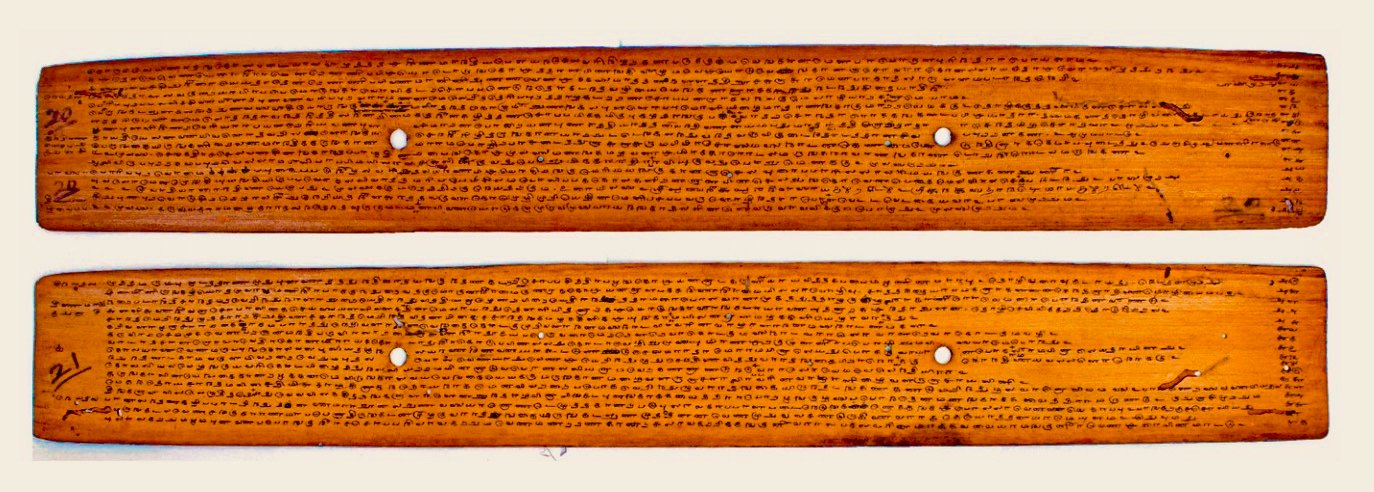
A palm-leaf manuscript (UVSL 589) with 100 folios, handwritten in miniature scripts by Shaiva Hindus | Source: Wikipedia
Quick anchors
Texts: Tolkappiyam; Ettuthokai; Pattuppattu; Tirukkural; Silappathikaram; Manimekalai.
Ports: Muziris (Chera), Korkai (Pandya), Kaveripattinam/Arikamedu (Chola).
Ecologies: Tinai—kurinji, mullai, marudam, neydal, palai—structuring verse themes and livelihoods.
Conclusion
The Sangam Period fused agrarian abundance, bardic classicism, and oceanic trade into a distinctive Tamil civilization—its poems mapping love and valor, its ports moving pepper and pearls, and its polities mediating chiefs and councils long before later imperial formations.