Introduction
Alauddin Khalji (r. 1296–1316 CE) transformed the Delhi Sultanate from a northern power into a subcontinental force by fielding the era’s first large, salaried standing army, breaking repeated Mongol onslaughts at the gates of Delhi, crushing Rajput strongholds across Rajasthan, integrating Gujarat and Malwa into the imperial grid, and launching deep Deccan expeditions under Malik Kafur that extracted tribute from the Yadavas (Devagiri), Kakatiyas (Warangal), Hoysalas (Dwarasamudra), and Pandyas. He paired relentless campaigning with internal controls—cash‑paid troops, branding of cavalry mounts, soldier‑rolls, surveillance, and regulated markets—that stabilized supply and checked elite conspiracy, making his two decades the most assertive phase of early Sultanate statecraft.
Succession and early consolidation
The Khaljis rose after the waning Slave (Mamluk) line, when Jalaluddin Khalji (r. 1290–1296) seized Delhi amidst factionalism and Turkic‑nobility pushback. Aged and conciliatory, Jalaluddin faced revolts and Mongol pressures, and his powerful nephew/son‑in‑law Alauddin—styled Ali Gurshasp in youth—engineered a coup after a lucrative Devagiri raid, luring the Sultan to Kara and assassinating him in 1296 before securing Delhi against claimants from Multan. The new Sultan moved swiftly to neutralize rivals and signal a break with courtly laxity, setting the stage for structural military and fiscal change.
Military system: standing army and controls
Standing army in the capital: Alauddin insisted on a permanent fieldable core of roughly 100,000 in and around Delhi, paid in cash rather than land assignments, eliminating the delay and unreliability of feudal levies.
Horse branding and soldier rolls: Dagh (branding) of mounts and chehra (descriptive rolls) for troopers curbed fraud in pay and remounts, disciplining logistics and auditing.
Intelligence and discipline: A citywide informer network and severe penalties for sedition deterred noble cabals; unauthorized banquets, large gatherings, and liquor were banned to close classic conspiracy venues.
Revenue by measurement: Initiated systematic land assessment on measurement to align revenue with productivity—an innovation within the Sultanate later refined by successors.
These measures funded rapid, multi‑theatre campaigning, making Alauddin’s formations responsive across seasons and frontiers.
Northern campaigns and Mongol defense
Gujarat (1299): A shock raid over the desert corridor seized Anhilwara‑Patan and Cambay; the army captured the eunuch‑general Malik Kafur, who rose to command and became the Deccan spearhead.
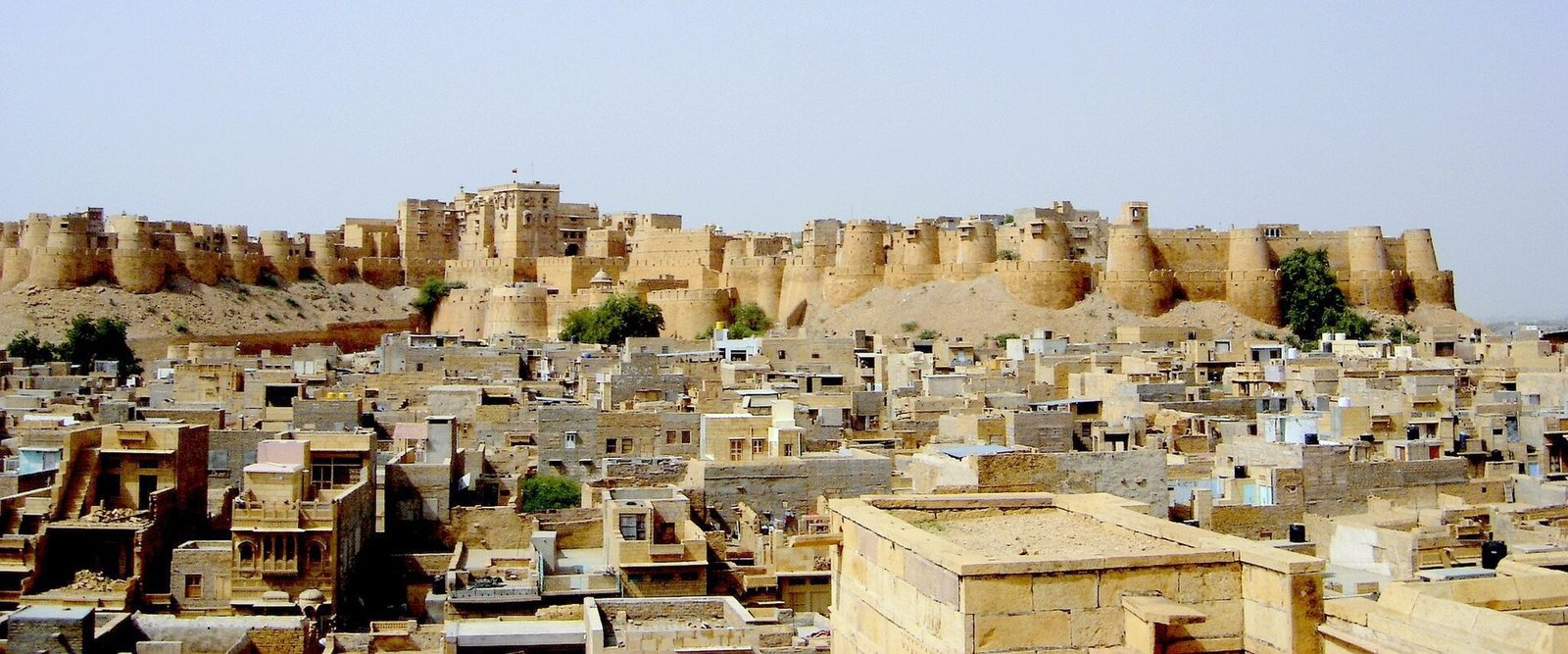
Ranthambore (1301): After initial reverses by a subordinate, Alauddin personally led a prolonged siege against Hammir Deo Chauhan; the fort fell after a bitter defense remembered for saka (last stands) and jauhar (mass immolation) in Rajput memory.
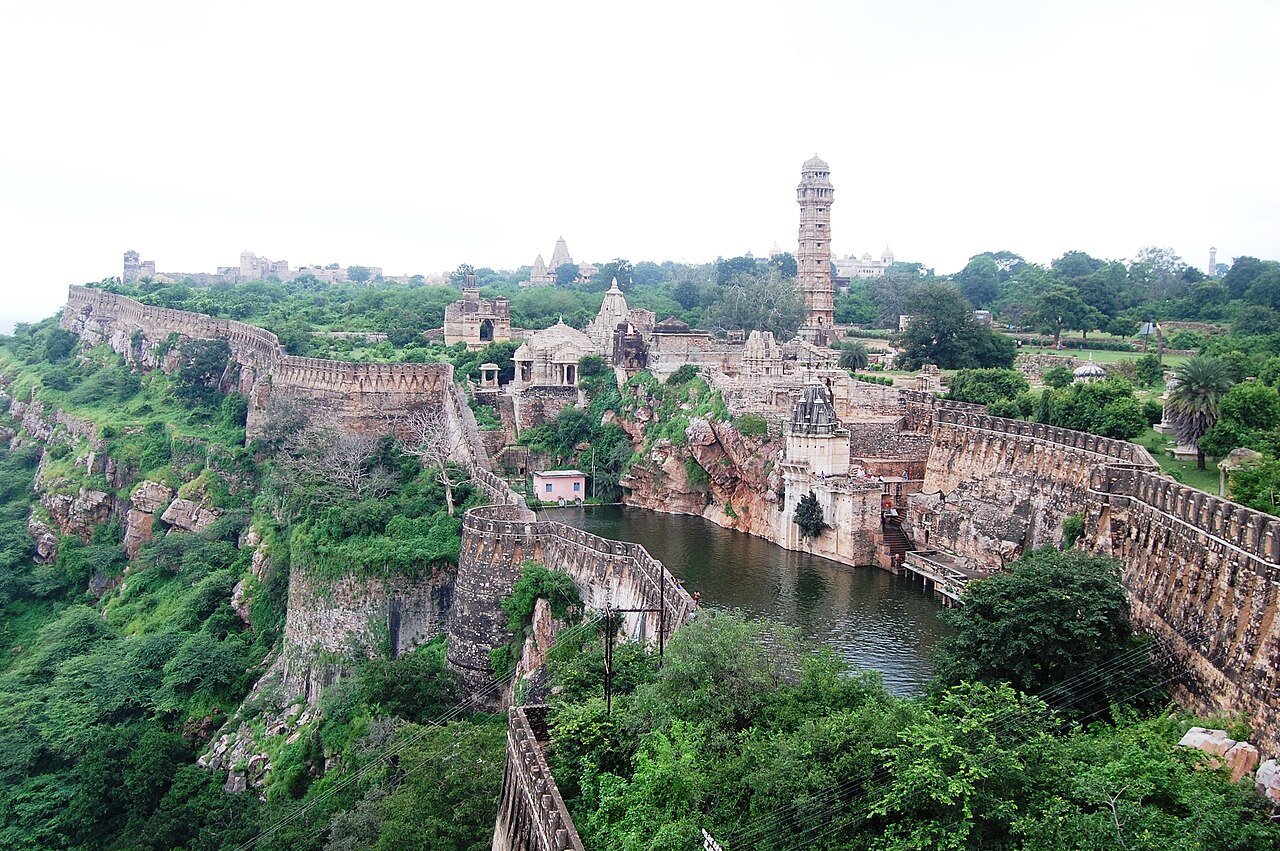
Chittor (1303): A six‑month siege against Rawal Ratan Singh secured Mewar’s capital; later legend (Padmavat, 16th century) romanticized motives, but the strategic driver was route security to Gujarat–Malwa and suppression of a powerful Rajput node.
Malwa and Jalore (1305–1311): Paramara Malwa and the Jalore bastion were subdued, completing a Rajasthan–Malwa arc that opened western ports and interior markets to Delhi’s system.
Mongol checks: Multiple Mongol thrusts reached Delhi’s environs; Alauddin’s reorganized, cash‑paid army repeatedly repelled them, preventing the capital’s fall despite several hard‑fought engagements.
Deccan expeditions under Malik Kafur
Devagiri (Yadavas): Renewed pressure extracted heavy tribute and compliance from a key Deccan node on north–south routes.
Warangal (Kakatiyas): Kafur’s force compelled submission and treasure deliveries, projecting Sultanate suzerainty deep into the eastern Deccan.
Dwarasamudra (Hoysala) and Pandya country: Rapid drives forced payments, mapped corridors, and demonstrated that Delhi’s cavalry could strike far beyond the Vindhyas without permanent occupation.
These southern forays were designed to compel tribute and corridor access, not to hold distant interiors—preserving Alauddin’s manpower for repeated northern crises and western consolidation.
Market regulation and the war economy
To sustain a giant cash army, Alauddin regulated grain and essential markets in Delhi: price ceilings, monitored granaries, and transport controls sought to break hoarding and stabilize soldier provisions. While debated in detail by historians, the policy logic is clear: predictable prices for staples translate directly into lower military wage bills, easing the treasury’s burden of a salaried force. Complementing this, the ban on conspicuous court consumption and alcohol undercut the patronage circuits that often inflated demand and invited conspiracy.
Rajasthan, memory, and method
The sieges of Ranthambore and Chittor became emblematic of Alauddin’s attritional siegecraft—field fortification rings, long blockade, targeting supply and morale—pitted against fortified Rajput capitals. Rajput practices of saka and jauhar, heightened in an age schooled by Mongol “total war,” entered later chronicles; Alauddin’s method emphasized wearing down defenders and immediate replacement of garrisons with imperial contingents to prevent quick relapses.
Why his reign mattered
Strategic depth: Western corridors (Gujarat–Malwa), Rajasthan forts, and Deccan tributaries gave Delhi access to ports, horse imports, grain basins, and cash, buffering the state against Mongol and internal shocks.
Institutional muscle: A salaried standing army, audited cavalry, and urban‑market controls forged a war economy that successors inherited, even when they relaxed his severity.
Imperial reach without overreach: The Deccan model—fast strikes for tribute, not occupation—maximized leverage relative to garrison costs, a pragmatic calculus for a cavalry state.
Limits and aftermath
Alauddin’s late‑reign ill health and palace factionalism foreshadowed instability; the courtier‑commander Malik Kafur dominated briefly after 1316, and the Khalji line ended in 1320 before the Tughlaqs inherited both the expanded map and the strains of governing it. Many conquests outside the northern heartland proved hard to hold permanently, but the fiscal–military template and widened corridors remained the Sultanate’s enduring legacy.
High‑yield anchors
Names and dates: Alauddin Khalji (r. 1296–1316); youth name Ali Gurshasp; preceded by Jalaluddin Khalji (r. 1290–1296).
Military system: Salaried standing army; dagh (horse branding) and chehra (soldier rolls); citywide intelligence; bans on liquor and unauthorized gatherings.
Campaigns: Gujarat (1299); Ranthambore (1301); Chittor (1303); Malwa and Jalore (1305–1311); repeated Mongol defenses; Deccan raids on Devagiri, Warangal, Dwarasamudra, Pandya country under Malik Kafur.
Policy: Price control for staples; land measurement for revenue; conspiracy‑averse court discipline.

Alauddin Khalji conquered the Chittor Fort in Rajasthan, in the Siege of Chittorgarh (1303) | Source: Wikipedia
Conclusion
Alauddin Khalji welded organization to ambition—building a cash‑paid standing army, disciplining supply through market controls, and striking on multiple axes to break Rajput fort‑belts, open western corridors, and overawe the Deccan. His Mongol defenses preserved Delhi in a century of steppe pressure, while his military‑fiscal innovations set the operational grammar the Sultanate would reuse for a century: salaried cavalry, audited logistics, siege persistence, and tribute‑focused reach.