Introduction
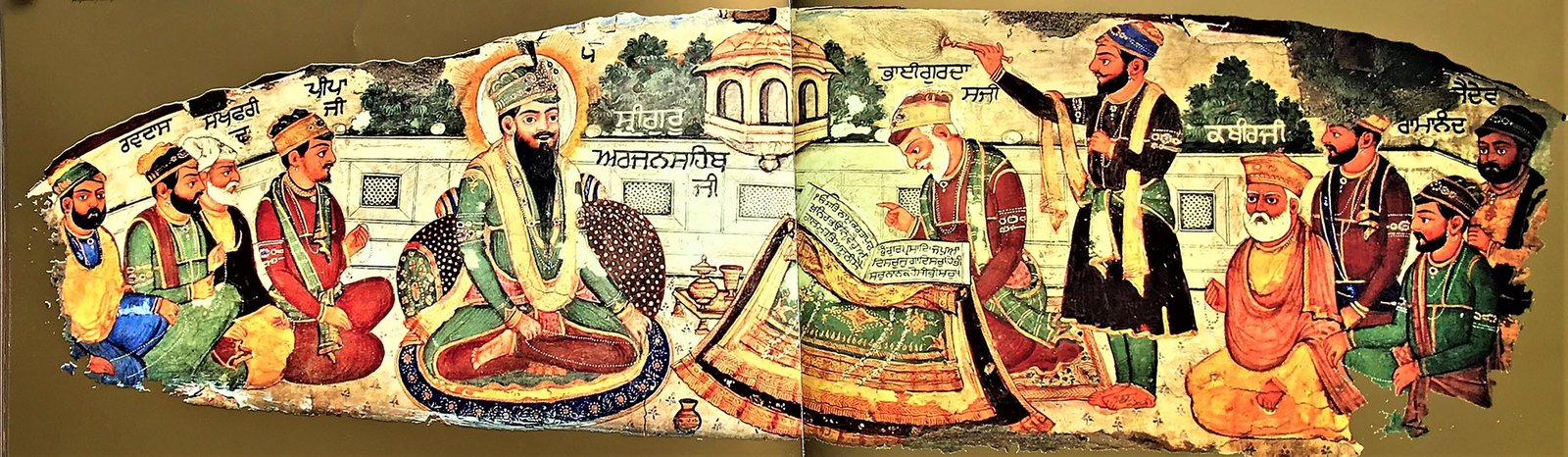
The martyrdom of Guru Arjan Dev, the fifth Sikh Guru, stands as a profound turning point in Indian and Sikh history. Guru Arjan Dev’s vision, acts of spiritual leadership, and the unprecedented sacrifice he made in 1606 catalyzed a powerful transformation within the Sikh community and shaped its future identity. As the compiler of the first Sikh scripture, the Adi Granth, and the architect of the Harmandir Sahib (Golden Temple), Guru Arjan’s spiritual and institutional legacy endures. Yet, it was his courageous confrontation with Mughal authority—culminating in the first Sikh martyrdom—that redefined the Sikh path, marked a shift from passive acceptance to active resistance, and left a lasting imprint on India’s religious and political landscape.
Guru Arjan Dev: Life, Teachings, and Achievements
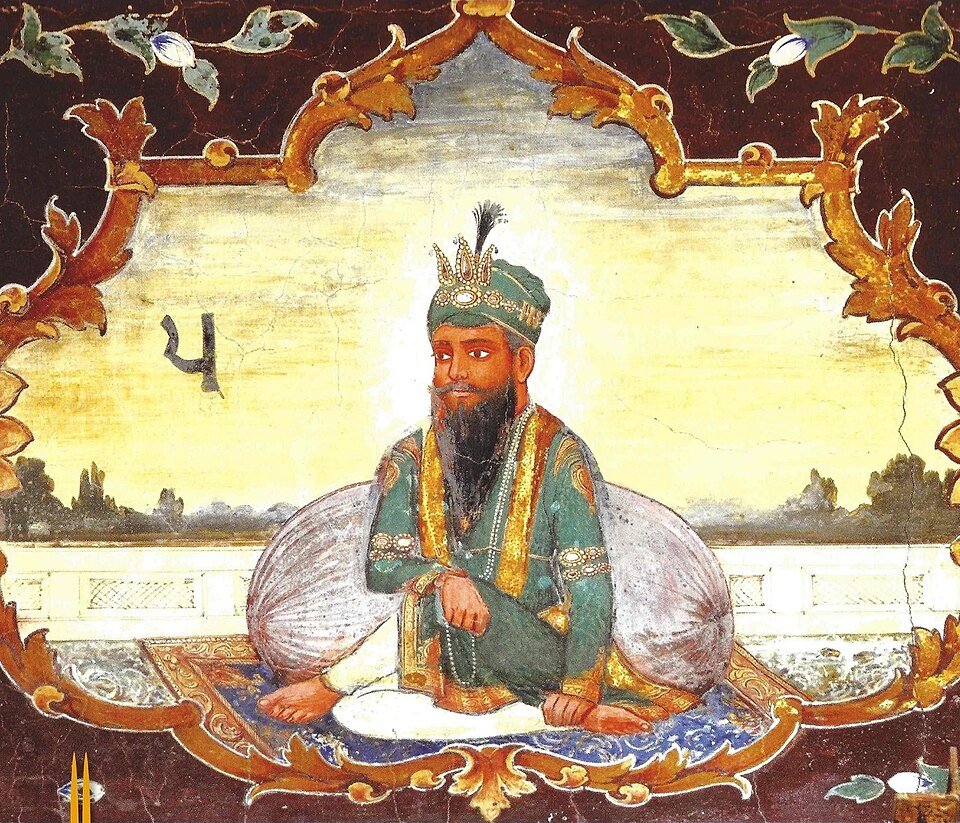
Born in 1563, Guru Arjan Dev ascended as the fifth Guru in 1581. Foremost among his achievements was the compilation of the Adi Granth, the foundation of Sikh scripture, which assembled teachings and hymns from Sikh Gurus as well as revered saints across religious traditions, promoting the ideals of universality, peace, and spiritual truth. He composed over 2,000 hymns and contributed to the construction and consecration of the Harmandir Sahib at Amritsar, democratizing the faith and establishing a spiritual center open to all. Guru Arjan’s inclusive leadership strengthened Sikh community infrastructure, founded new towns, and emphasized principles of social justice, charity, and the oneness of God.
Political, Religious, and Social Background
Guru Arjan Dev led the Sikh community during a period of increasing Mughal centralization, religious orthodoxy, and political intrigue. His growing influence among both Hindus and Muslims, the spiritual and material prosperity of the Sikh towns he established, and his message of egalitarianism attracted the suspicion of Mughal authorities and orthodox elites. At the same time, the early 1600s saw courtly rivalries and wider instability. A pivotal factor was Guru Arjan’s decision to offer blessings to Prince Khusrau, the rebellious son of Emperor Jahangir, during Khusrau’s failed bid for the Mughal throne.
This intersection of political events—support (perceived or real) for Jahangir’s rival, the Guru’s growing popularity, and planned conspiracies by figures like Chandu Shah (who bore a personal grudge after a marriage alliance was refused)—set in motion a series of accusations and animosity from the Mughal emperor and his advisers.
The Martyrdom: Events and Significance
In May 1606, Guru Arjan Dev was arrested on jahagir’s orders and charged with aiding a rebel (Khusrau), inciting unrest, and composing hymns considered hostile to the established order. Despite offers to recant or pay fines, Guru Arjan Dev refused to compromise on his spiritual ideals. The torture that followed was brutal: he was made to sit on a red-hot iron plate while burning sand was poured over him, enduring five days of agony without succumbing to pressure or abandoning his faith. Finally, he was permitted to bathe in the Ravi river, where he is believed to have calmly recited the name of God, disappearing beneath the waters. His composure in the face of death exemplified both physical and spiritual steadfastness.
The execution was unprecedented; Guru Arjan Dev became the first Sikh Guru to be martyred—a fate that deeply shocked not only Sikhs but wider Indian society. For Sikhs, his sacrifice was seen as the supreme act of adherence to truth, religious freedom, and nonviolent resistance in the face of tyranny.
Consequences and Legacy
Guru Arjan Dev’s martyrdom decisively changed the character of Sikhism. No longer merely a peaceful spiritual community, the Sikhs began an irreversible evolution into a community prepared to defend faith and dignity through both spiritual and martial means. Under Guru Hargobind, Guru Arjan’s son and successor, the principle of “miri-piri” (temporal and spiritual authority) was embraced, giving rise to the image of the Sikh as both saint and soldier. The Sikh community adopted self-defense, donned arms, and transformed its organization and outlook, which would prove crucial in later conflicts against Mughal and other oppressive regimes.
Guru Arjan’s compilation of the Adi Granth solidified Sikh doctrine at a critical moment, providing a singular spiritual focus for Sikhs and helping the community endure future persecution and dispersal. The Harmandir Sahib became an eternal symbol of Sikh resilience and openness.
His martyrdom also had broader repercussions, inspiring resistance to religious persecution and providing a model of unwavering integrity, spiritual courage, and commitment to a just cause. The annual observance of his martyrdom day, marked by prayers and acts of service, continues to educate and unite Sikhs worldwide.

Conclusion
The martyrdom of Guru Arjan Dev stands as a watershed moment in Indian religious and political history. Through his life, teachings, and steadfastness in the face of persecution, Guru Arjan shaped the Sikh community’s spiritual, intellectual, and institutional foundations. His execution catalyzed the emergence of a new Sikh consciousness—fearless in devotion and prepared for resistance—that would define the community’s unique role in subsequent centuries. More than four centuries later, Guru Arjan’s unique blend of poetic vision, public service, and supreme sacrifice endures as a universal testament to the power of conscience, the defense of truth, and the hope for justice in the face of tyranny.