Introduction
Mahatma Gandhi’s return to India in 1915 marked the beginning of a transformative era in the Indian independence movement. After spending over two decades in South Africa fighting racial discrimination through non-violent resistance, Gandhi came back to India with a renewed vision of social justice, political activism, and mass mobilization. His philosophy of Satyagraha and non-violence fundamentally altered the trajectory of the freedom struggle, inspiring millions across diverse communities to strive for self-rule. This article explores Gandhi’s background, his early engagements in India, and how his presence redefined the nationalist cause at a critical juncture in India’s fight for independence.
Gandhi’s Background and Work in South Africa
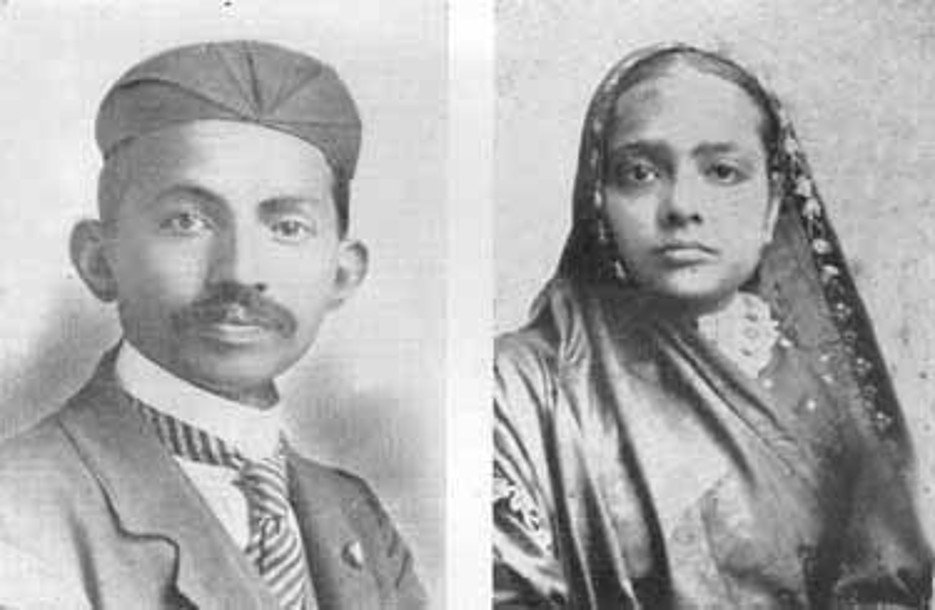
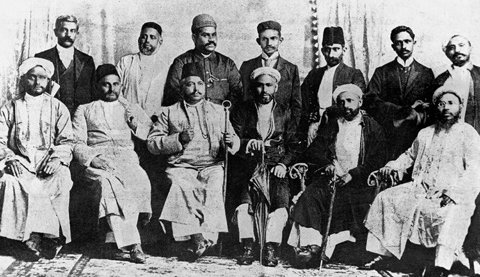
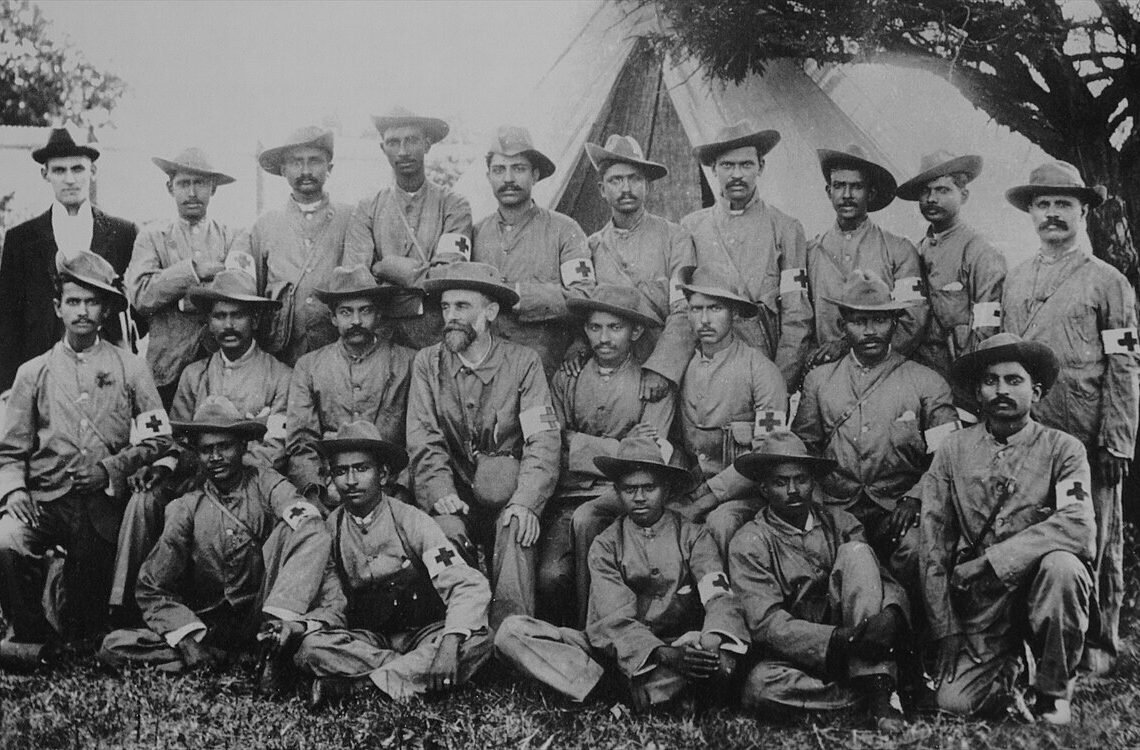
Mohandas Karamchand Gandhi was born in 1869 in Porbandar, Gujarat. After studying law in London, he went to South Africa in 1893, where he faced severe racial discrimination. It was in South Africa that Gandhi developed his unique method of non-violent protest, called Satyagraha, using civil disobedience and passive resistance against unjust laws imposed on the Indian community.
His efforts in South Africa earned him international recognition and bolstered his resolve to fight injustice with non-violence. It was this experience and ideology that he carried back to India, shaping his approach to the nationalist movement.
Return to India and Initial Reception
Gandhi landed in Bombay on January 9, 1915, to a warm welcome from Indian leaders and the public. He initially spent time traveling across the country, observing local conditions, social issues, and regional dynamics. His visit to Gujarati towns Ahmedabad, Rajkot, and other places helped him reconnect with his homeland and gain a deeper understanding of India’s social and political complexities.
During these initial days, Gandhi began to engage with diverse social groups, including peasants, laborers, artisans, and tribal communities, identifying the socio-economic challenges they faced under colonial rule, caste discrimination, and poverty.
Early Political Engagements and Movements
Gandhi’s first major political involvement after his return was with the Champaran Indigo farmers’ movement in Bihar (1917). Here, European planters were forcing indigo cultivation on peasants at exploitative terms. Gandhi’s leadership in organizing Satyagraha, advocating for peasants’ rights through peaceful protests and negotiations with the British authorities, set the template for his future campaigns.
Following Champaran, Gandhi led the Ahmedabad Textile Mill Workers’ strike in 1918 and the Kheda Satyagraha, where peasants demanded relief from oppressive taxes during famine. These early successes established him as an effective mass mobilizer and advocate for non-violent resistance and justice.
Ideology and Leadership Style
Gandhi’s approach emphasized truth (Satya), non-violence (Ahimsa), self-reliance (Swadeshi), and communal harmony. He believed freedom was not just political independence but also social transformation, including eradication of untouchability, religious tolerance, and upliftment of rural India.
His political leadership was marked by simplicity, humility, and discipline, inspiring widespread participation across class, caste, and religion. Gandhi’s ability to communicate in local languages and his focus on indigenous culture differentiated him from earlier nationalist leaders, making the freedom movement more accessible and inclusive.
Influence on the Indian National Congress
Although Gandhi initially stayed away from active Congress politics, by 1919 he was a dominating influence within the party. His methods and philosophy gradually shifted Congress from elitist petitioning to mass-based civil disobedience and non-cooperation. The post-World War I era saw Gandhi as a central figure, leading national campaigns against repressive colonial laws such as the Rowlatt Act and the Jallianwala Bagh massacre’s aftermath.
Legacy of Gandhi’s Return
Gandhi’s return heralded a new phase in the independence movement, characterized by mass participation, moral authority, and emphasis on peaceful resistance. His campaigns galvanized the Indian populace and attracted international attention to the Indian freedom struggle.
His impact was felt not only politically but also socially and culturally, sowing seeds of modern India’s democratic, secular, and pluralistic character.
Conclusion
Mahatma Gandhi’s arrival in India in 1915 was more than a personal homecoming; it was the arrival of a new ethos of resistance and reform. Drawing from his South African experience, Gandhi revitalized the Indian nationalist movement with non-violence, making the struggle for freedom a mass, inclusive endeavor. His early movements laid the groundwork for India’s eventual independence and continue to inspire social justice efforts worldwide.