Introduction
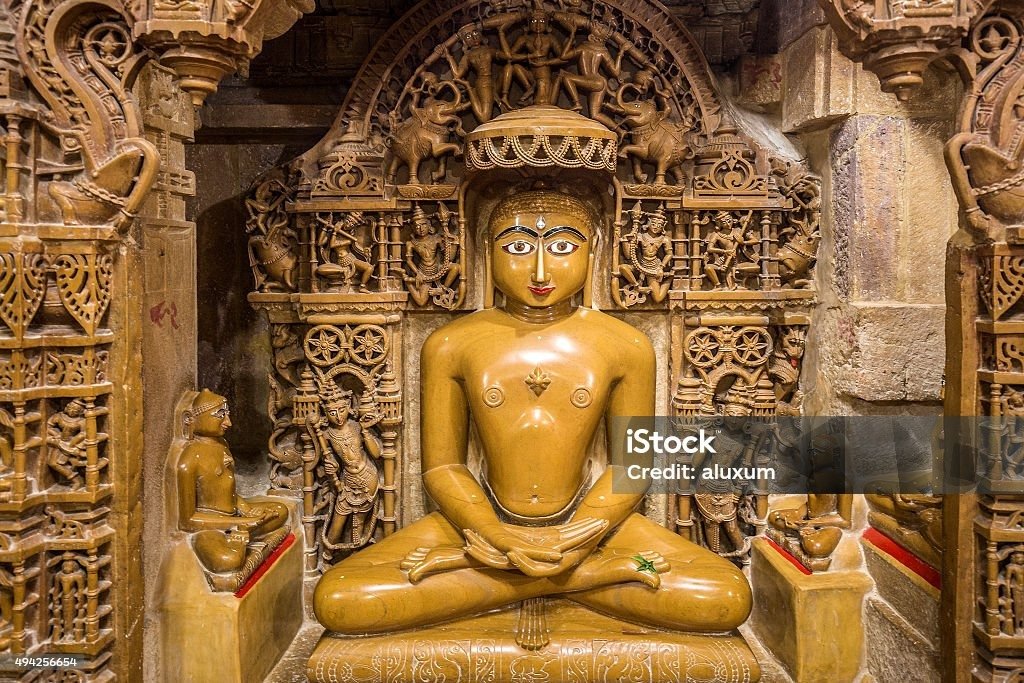
Mahavira (Vardhamana) was the 24th Tirthankara of Jainism whose renunciation at about 30, twelve-and-a-half years of extreme asceticism, attainment of Kevala Jnana (omniscience), and three decades of teaching fixed the Jain path around five great vows—ahimsa, satya, asteya, brahmacharya, and aparigraha.
Birth and family
According to Jain tradition, Mahavira was born in Kshatriyakund/Kundagrama near Vaishali (Vajji), to King Siddhartha of the Jnatri/Naya clan and Queen Trishala, with most accounts placing his birth in the early 6th century BCE; Śvetāmbara chronology gives 599 BCE, while scholarly debate keeps exact dating open. The site is associated with modern Basukund area near Vaishali in Bihar, reflecting the tradition that calls him Vesalie (Vaishali-born).
Renunciation and austerities
Married to Yashoda and father to a daughter (per sectarian traditions), Vardhamana renounced worldly life around age 30, embracing nudity and radical non-possession in pursuit of liberation. He then practiced severe austerities and meditation for twelve and a half years—often standing motionless, fasting, and enduring hardship—before realization.
Enlightenment (Kevala Jnana)
Mahavira attained Kevala Jnana at Jrimbhikagrama on the bank of the Rijupalika, after prolonged tapas and meditation, an event that marks his becoming a Jina (conqueror) and teacher. From then, he preached the Dharma across the Gangetic region for roughly thirty years, organizing a fourfold community of monks, nuns, laymen, and laywomen.
Core teaching: the five vows
For mendicants as absolutes, and for laity as moderated observances, Mahavira taught five vows:
Ahimsa (non‑injury in thought, word, deed to all living beings)
Satya (truthfulness)
Asteya (non‑stealing)
Brahmacharya (celibacy/chastity)
Aparigraha (non‑possession/non‑attachment)
These vows purify karma and prepare the soul (jiva) for liberation; their centrality is affirmed across Śvetāmbara and Digambara canons.
Metaphysics and method
Jain doctrine affirms eternal, individual souls (jivas) bound by karmic matter, released through right faith, right knowledge, and right conduct—the Three Jewels—lived through the vows and disciplined restraint. Ahimsa is the supreme virtue in this discipline, not as sentimental compassion alone but as rigorous self‑control that prevents fresh karmic influx and burns existing bonds.
Places and timeline anchors
Birth: Kundagrama (near Vaishali, Bihar), celebrated as Mahavir Jayanti in Chaitra (March–April) by Jains each year.
Kevala Jnana: Jrimbhikagrama on the Rijupalika river (traditionally located in present Bihar/Jharkhand region).
Nirvana: Pava/Pavapuri near modern Rajgir in Bihar, at age 72, traditionally dated 527 or 468 BCE in different reckonings.
Sect traditions and dating
Śvetāmbara tradition dates his life 599–527 BCE and preserves legends like embryo‑transfer; Digambara places nirvana in 510 BCE and rejects certain Śvetāmbara narratives, reflecting long‑standing sectarian differences in hagiography and monastic code. Despite divergences, both sects converge on Mahavira’s vows, omniscience, and status as the 24th Tirthankara guiding the current age.
Social appeal and patronage
As a Kshatriya renouncer with rigorous ethics, Mahavira attracted merchants, guilds, and regional elites who valued truthful trade, restrained consumption, and non‑violence—virtues that stabilized contracts and reputation in emerging towns. Annual celebration of Mahavir Jayanti and pilgrimage circuits (Rajgir, Pawapuri, Champapuri) sustain living memory of his life’s key sites.
Legacy and relevance
Ethical universals: The vows operationalize a radical ecology of care—every life counts—and a personal minimalism curbing greed, violence, and deceit.
Institutional durability: The fourfold sangha, graded lay vows (anuvratas), and mendicant codes created a scalable tradition that endures across regions and centuries.
Dialogue with Indian thought: By insisting on an eternal soul and maximal non‑harm, Jainism offers a counterpoint to Buddhist anatta and a Middle‑Way ethic, enriching India’s philosophical pluralism.

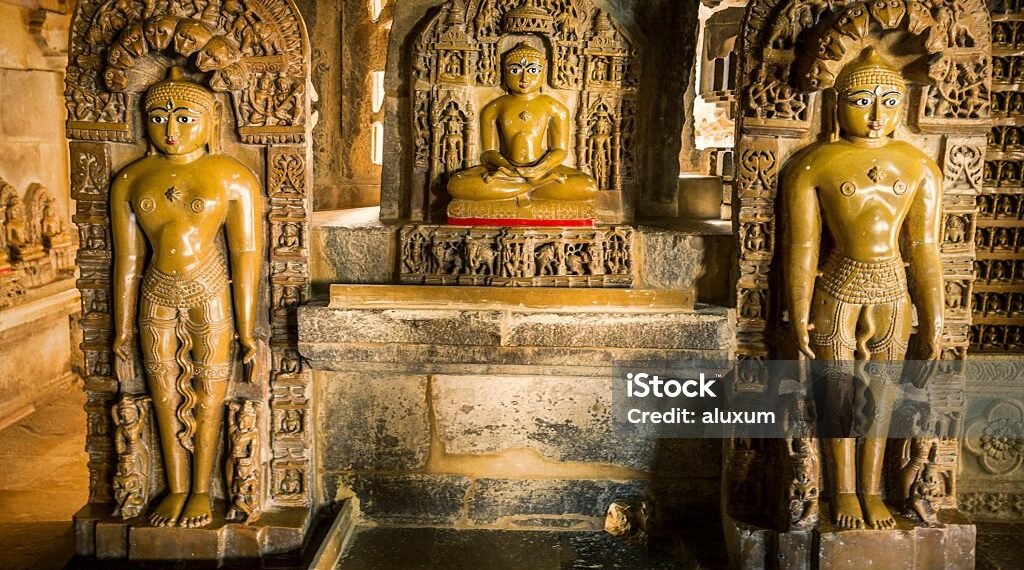
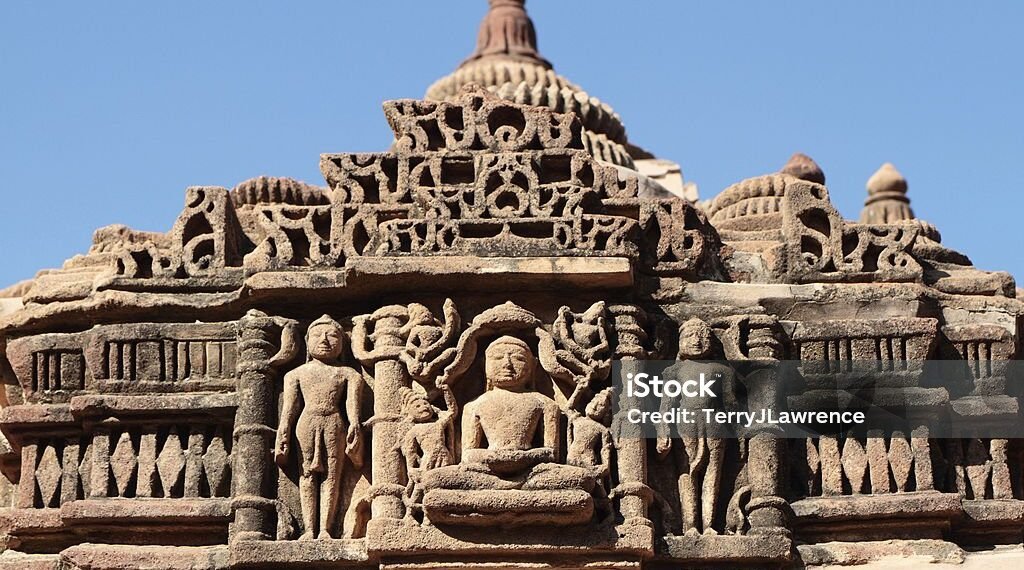
Carved detail of the red sandstone Mahavira Jain temple, Osian Rajasthan, India. Built by Raja Utpaldev in the 8th century, the temple forms part of the Osian temple complex
Conclusion
From prince Vardhamana to Mahavira the Jina, the arc traces renunciation, relentless self‑discipline, omniscience, and a public ethic of five vows that democratized the path to liberation. The geography of his life—Vaishali to Jrimbhikagrama to Pavapuri—anchors a tradition whose uncompromising ahimsa and aparigraha remain among South Asia’s most powerful moral bequests.