Introduction
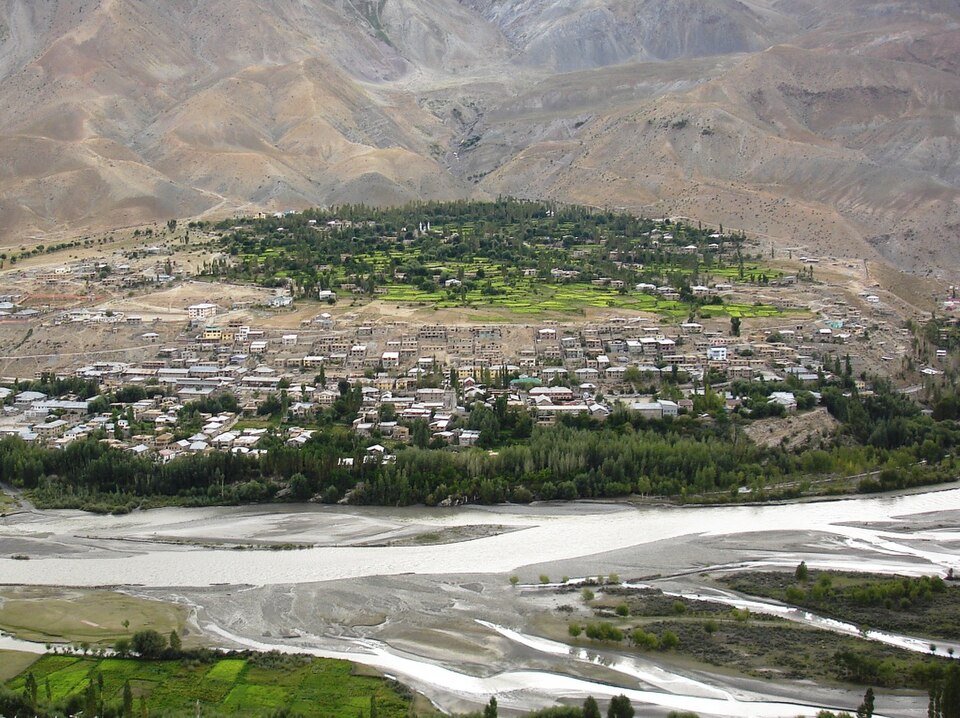
The Kargil War of 1999 stands as a defining moment in the modern military and political history of India and Pakistan. Fought between May and July 1999 in the high-altitude region of Kargil, Jammu and Kashmir, it was a conflict sparked by Pakistani infiltrators occupying strategic Indian posts along the Line of Control (LoC). The war was unique due to its location, tactical challenges, and the nuclear backdrop, as both countries had declared their nuclear capabilities the previous year. India launched a determined military campaign, known as Operation Vijay, to reclaim the heights and restore territorial integrity. This conflict not only tested the Indian armed forces’ resilience but also altered regional geopolitics, ending with Pakistan’s withdrawal under international pressure and the reaffirmation of the LoC as the de facto border.

Pre-War Context and Political Backdrop
The Kargil War occurred in the shadow of an optimistic diplomatic development. In February 1999, India’s Prime Minister Atal Bihari Vajpayee made a historic bus journey to Lahore, Pakistan, and signed the Lahore Declaration with Pakistani Prime Minister Nawaz Sharif. This agreement was meant to promote peace, enhance bilateral cooperation, and manage the Kashmir dispute through dialogue and confidence-building measures (CBMs).
The Lahore Declaration especially emphasized nuclear restraint after both countries had conducted nuclear tests in 1998, expressing a mutual commitment to avoid escalation and conflicts. CBMs included measures such as regular meetings between military commanders, advance notifications of missile tests, and refraining from cross-border infiltration or terrorist activities.
Despite this diplomatic progress, the winter months of late 1998 and early 1999 saw a notable reduction of troops stationed at certain high-altitude posts along the LoC by both India and Pakistan. It was during this period that Pakistani forces, including elements of the elite Northern Light Infantry (NLI), as well as Mujahideen and mercenary fighters, launched a covert operation dubbed “Operation Koh-e-Paima,” infiltrating and occupying approximately 130 Indian posts across the Kargil, Dras, and Batalik sectors. This move aimed to sever India’s critical supply route connecting Srinagar to Leh—the National Highway 1A (NH-1A)—and to gain commanding heights overlooking Indian territories.
The Pakistani military leadership, under General Pervez Musharraf, sought to reshape the Kashmir conflict by creating facts on the ground, hoping to internationalize the issue and pressure India into negotiations under less favorable terms.
Detection and Initial Indian Response
The first indications of infiltration surfaced on May 3, 1999, when Tashi Namgyal, a local shepherd in the Batalik area, reported seeing armed men occupying positions on the hills. Indian Army patrols dispatched in early May confirmed the presence of well-entrenched enemies on heights overlooking Indian territory.
In response, the Indian Army rapidly deployed forces from Kashmir to Kargil, reinforcing the threatened sectors. The situation quickly escalated as it became clear that this was no mere infiltration by militants but a well-planned, coordinated attempt involving Pakistani regular troops disguised as insurgents. The Government of India convened emergency meetings, and on May 18, the Cabinet Committee on Security approved a robust military response. Indian commanders adopted a calibrated approach, disallowing any crossing of the LoC to avoid a full-scale war.
Operation Vijay: The Ground Campaign
Operation Vijay, the centerpiece of India’s military reaction, was launched on May 10, 1999. It was an intense, arduous campaign characterized by high-altitude mountain warfare under extreme climatic and geographic conditions. Indian soldiers faced temperatures falling to -15 degrees Celsius and oxygen levels roughly 50 percent lower than at sea level, complicating combat operations.
Key battles included:
Battle of Tololing (June 12-13): This was a turning point where Indian troops from the 2nd Rajputana Rifles and 18 Grenadiers recaptured the crucial Tololing ridgeline after fierce hand-to-hand combat. The success massively boosted the troops’ morale.
The Capture of Tiger Hill (July 3-4): Arguably the most famous battle, Tiger Hill’s recapture was led by 4 JAT and 9 Para Special Forces amidst steep cliffs and under heavy enemy fire. Captain Vikram Batra, who commanded one of the assault teams, became a war hero with the phrase “Yeh Dil Maange More” (The heart desires more) symbolizing Indian resilience.
Point 4875 in Dras sector: Another critical peak seized after skillful assaults led by frontline infantry, enabling India to consolidate its control and break enemy lines.
Supporting artillery fire was significant, involving over 300 guns, including the much-lauded Bofors howitzers, and the use of Israeli unmanned aerial vehicles (UAVs) for reconnaissance. Indian artillery reportedly inflicted heavy casualties, with estimates suggesting up to 75% of Pakistani forces in the region were neutralized through combined artillery and infantry operations. Four soldiers were awarded the Param Vir Chakra—the highest Indian military decoration for valor—including Captain Vikram Batra and Lieutenant Manoj Pandey.
Operation Safed Sagar: Air Operations
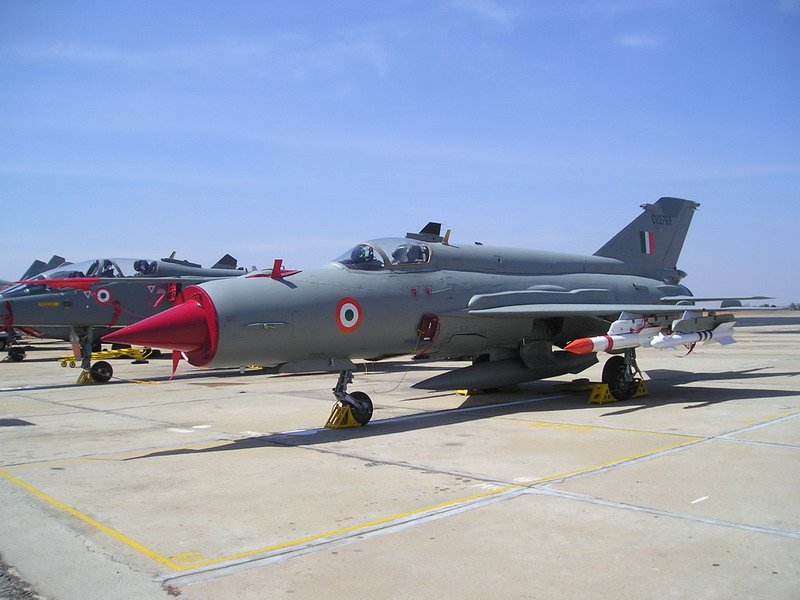
Concurrently, the Indian Air Force launched Operation Safed Sagar on May 26, 1999, conducting air strikes against enemy positions on LoC heights. The IAF deployed Mirage 2000 and MiG fighter jets from Srinagar and other forward bases, undertaking precision bombing to support ground troops despite threats from Pakistani Surface-to-Air Missiles (SAMs) and fighter jets.
Indian pilots faced high risks, losing several aircraft, including MiG-21 and MiG-27 jets shot down by Anza SAMs, with the capture of Flight Lieutenant Kambampati Nachiketa making headlines. The IAF also carried out attacks on supply routes and logistical hubs to choke Pakistani reinforcements. These aerial operations played a crucial role in neutralizing enemy strongholds, although strict rules of engagement forbade crossing the LoC, preventing escalation to full-fledged aerial combat.
The conflict also marked an unprecedented level of cooperation between India and Israel, with covert Israeli supplies of drones and advanced munitions enabling Indian forces to counter threats effectively despite limited satellite-based navigation support, which was withheld by the US.
Diplomatic Pressure and Pakistan’s Withdrawal
As Indian military successes mounted, international pressure on Pakistan escalated. The United States, European Union, G8 countries, and China condemned Pakistan’s violation of the LoC. Most significantly, US President Bill Clinton during a July 4 meeting in Washington rebuked Nawaz Sharif, explicitly demanding Pakistan’s withdrawal from Indian territory, making clear US refusal of military or diplomatic support for the incursion.
Facing diplomatic isolation and battlefield setbacks, Pakistani leadership conceded defeat. Sharif announced troop withdrawals on July 5, 1999, following intense pressure from Washington. Indian forces recaptured key positions, including the Dras sector and the strategic heights overlooking the NH-1A.
The final phase of Operation Vijay extended into July, culminating in the full eviction of Pakistani forces by July 26, the date commemorated as Kargil Vijay Diwas (Kargil Victory Day). Following that, ceasefire agreements and reparations began, reaffirming the sanctity of the LoC as per the 1972 Simla Agreement.
Human Cost and Casualties
The war’s toll was significant. India lost approximately 527 soldiers, with over 1,300 wounded. Pakistani military casualties are estimated between 400 to 4,000, with the actual figures disputed. Indian soldiers fought in hazardous, oxygen-poor mountain terrain, enduring extreme weather and harsh living conditions, which added to operational difficulties.
The war resulted in numerous gallantry awards recognizing extraordinary acts of bravery, including four Param Vir Chakras, nine Maha Vir Chakras, and over fifty Vir Chakras, underscoring the valor and sacrifice of armed forces personnel.
Lessons and Aftermath
The conflict revealed critical lessons for India’s defense and intelligence apparatus. The Kargil Review Committee recommended extensive reforms in intelligence sharing, surveillance, and border deployment procedures, particularly calling for maintaining adequate posts along the LoC even in harsh winter conditions.
The war accelerated India’s efforts to develop an autonomous navigation satellite system (IRNSS/NavIC), partially in response to the US refusal to provide GPS support during the conflict. On the political front, the NDA government, led by Vajpayee, saw a surge in political capital, winning the 1999 general elections decisively on the back of the war victory.
Pakistan faced internal political turmoil, with the military’s role in the conflict sharply criticized, eventually leading to General Pervez Musharraf’s coup in October 1999. The war severely damaged Pakistan’s international standing, exposing its conventional military intrusion despite efforts to project the conflict as a proxy insurgency.
Legacy and Significance
The Kargil War remains the only direct armed conflict between two declared nuclear powers, marking a unique chapter in global military history. It reaffirmed the LoC as the operational boundary, emphasizing restraint amid nuclear capabilities. The war remains a symbol of Indian military heroism and perseverance against adverse conditions and political objectives beyond battlefield.
India commemorates Kargil Vijay Diwas annually on July 26 to honor the sacrifices and valor of its armed forces, ensuring that the memory of those who fought continues to inspire national unity and resolve.