Introduction
The Jallianwala Bagh Massacre of 13 April 1919 was one of the most brutal and defining events in the history of colonial India. On the day of Baisakhi, British troops under Brigadier General Reginald Dyer opened fire on a large, unarmed gathering in Jallianwala Bagh, Amritsar, without warning or opportunity to disperse. Hundreds were killed and over a thousand injured, shocking the nation and world opinion, and turning moderate Indian loyalty to the British Raj into deep anger and disillusionment.

Background: Rowlatt Act and Punjab Unrest
After the First World War, instead of easing wartime repression, the British introduced the Anarchical and Revolutionary Crimes Act, popularly known as the Rowlatt Act, in March 1919. This law allowed detention without trial, searches without warrants, and trials without juries, effectively suspending basic civil liberties. Indian members of the Imperial Legislative Council opposed it unanimously, and national leaders condemned it as the “Black Act,” seeing it as a betrayal of wartime promises of reform.
Punjab, which had supplied a large number of soldiers during the war, became a centre of strong protest. Anti-Rowlatt Satyagraha led by Mahatma Gandhi spread rapidly, and in Amritsar local leaders Dr. Saifuddin Kitchlew and Dr. Satyapal organized successful hartals and peaceful demonstrations. Their popularity and the visible Hindu–Muslim–Sikh unity alarmed the provincial administration headed by Lieutenant-Governor Michael O’Dwyer, who feared a repeat of 1857-style rebellion.
Immediate Trigger: Arrests and Violence in Amritsar
On 10 April 1919, Kitchlew and Satyapal were summoned to the Deputy Commissioner’s house under the pretext of discussion, secretly arrested, and deported to the hills. When news spread, thousands marched to the Deputy Commissioner’s residence demanding their release. The crowd was fired upon without adequate warning, leading to several deaths and injuries.
Angry protesters then attacked British property, burnt buildings, and in the chaos some Europeans were assaulted and killed; a British woman missionary, Miss Marcella Sherwood, was severely beaten in what later came to be known as “Crawling Lane”. The administration responded with extreme measures, imposing martial law in Amritsar and other parts of Punjab and bringing in Brigadier General Reginald Dyer to “restore order”.
The Massacre at Jallianwala Bagh
On 13 April 1919, the day of Baisakhi, thousands of villagers and townspeople gathered at Jallianwala Bagh, a walled ground near the Golden Temple, for a public meeting and also as part of the festive crowd returning from Baisakhi prayers. Many were unaware of the prohibitions on public assemblies under martial law, as the proclamations had not been effectively communicated at the usual meeting spots, including the Bagh itself.
In the late afternoon, General Dyer marched into Jallianwala Bagh with about 90 soldiers, including Gurkha and Baluchi troops armed with rifles. Finding the narrow entrance unsuitable for his armoured cars, he blocked the main exit with his men, effectively sealing off the enclosure. Without issuing any warning or asking the crowd to disperse, Dyer ordered his troops to open fire directly into the densest parts of the crowd.
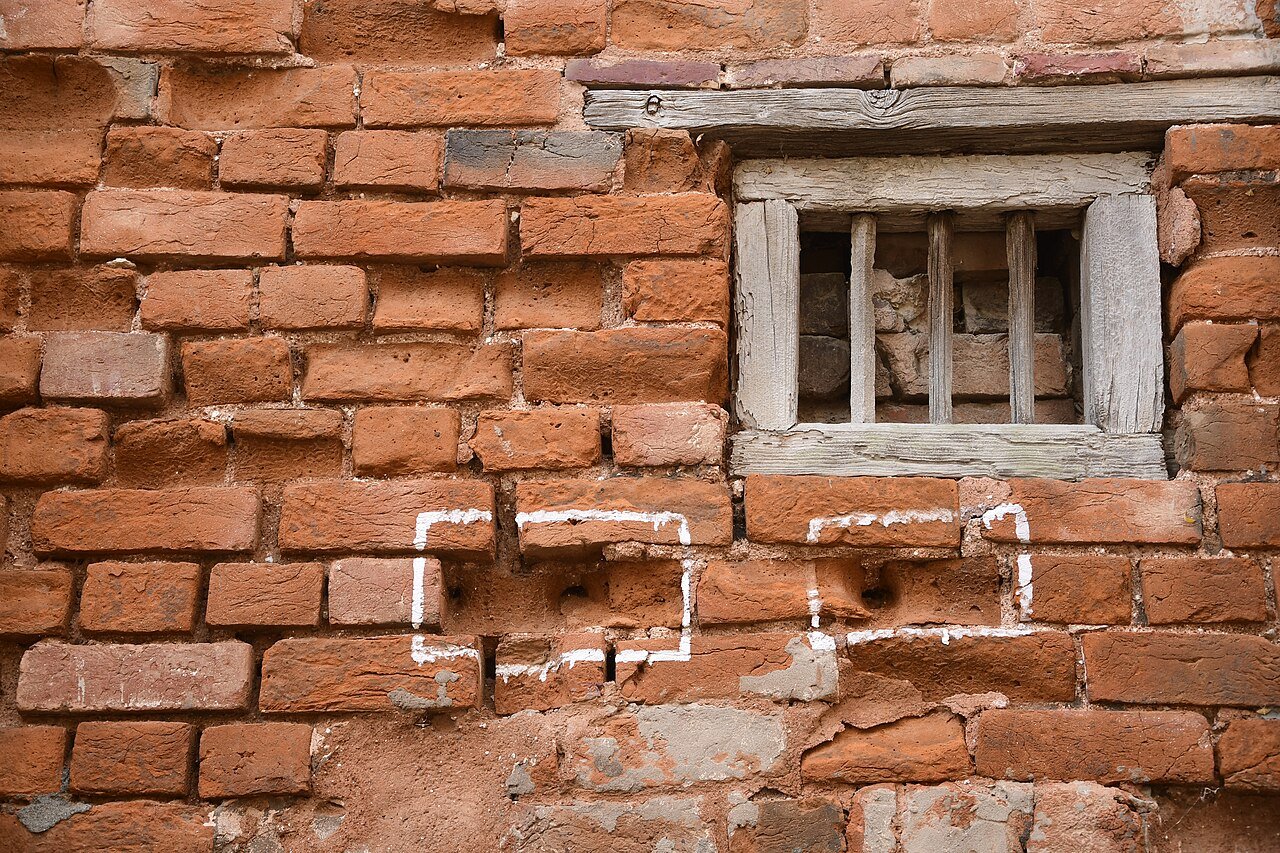
The firing lasted around 10 to 15 minutes, during which approximately 1,650 rounds were discharged until the ammunition was nearly exhausted. People had no safe escape routes; some tried to climb the high walls and were shot, while many jumped into a deep well inside the Bagh to escape bullets and drowned. Official British figures put the death toll at 379 and about 1,200 wounded, while Indian sources and later inquiries suggested that well over 500, possibly more than 1,000, were killed.
Martial Law and Repression in Punjab
The massacre was followed by harsh martial law regulations across Punjab. Civilians were subjected to humiliating punishments such as the “crawling order” on the lane where Miss Sherwood was attacked, requiring Indians to crawl on all fours past that street. Public floggings, curfews, mass arrests, summary trials, and collective fines intensified the atmosphere of terror and humiliation.
These measures exposed the racial arrogance and brutality embodied by both Dyer and the higher administration under O’Dwyer. For many Indians, Jallianwala Bagh and the subsequent repression shattered any remaining faith in the fairness of British rule and confirmed the need for complete independence rather than limited constitutional reforms.
Hunter Commission and Official Response
International outrage and Indian anger forced the British government to appoint the Disorders Inquiry Committee, popularly known as the Hunter Commission, in late 1919 to investigate the events in Punjab. The Commission examined Dyer and other officials, and its majority report criticized Dyer’s failure to give a warning and the prolonged firing, calling his sense of duty “misguided,” though it still justified the imposition of martial law and did not recommend criminal prosecution.
Dyer was relieved of his command and forced to retire, but he was not tried in a civil court. In Britain, many political and public figures, especially conservatives, hailed him as a hero, and a fund raised for him collected about £26,000 to support his retirement. Meanwhile, compensation to Indian victims’ families was limited and seen as grossly inadequate, highlighting deep racial bias in colonial justice.
Impact on the National Movement
The Jallianwala Bagh Massacre marked a turning point in India’s freedom struggle. Rabindranath Tagore renounced his British knighthood in protest, describing the event as a stain on British honour. Mahatma Gandhi, who had initially believed in cooperation with the British, was deeply shaken and soon launched the Non-Cooperation Movement, calling for a nationwide boycott of British institutions and symbols.
The massacre convinced many moderates that constitutional methods alone were insufficient and that moral appeals to the British conscience would not prevent such atrocities. It intensified demands for Swaraj (self-rule) and helped transform the Congress from a platform of elite petitioners into a mass-based national movement united in opposition to colonial repression.
Long-term Significance
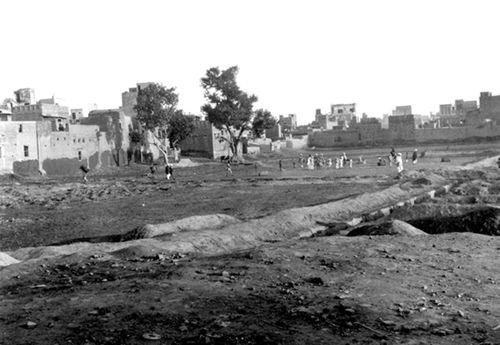
Jallianwala Bagh became a symbol of colonial brutality and Indian resistance. It exposed the underlying violence of the British Raj to the global community and delegitimized British claims of benevolent rule. For Indians, it represented both a tragedy and a rallying point—a reminder of sacrifice and a call to continue the struggle for freedom.
In independent India, a national memorial was established at Jallianwala Bagh in 1951 to honour the martyrs. The site stands today as a place of remembrance and reflection on the costs of oppression and the resilience of a people who refused to remain second-class citizens in their own land.