Introduction
Operation Smiling Buddha, codenamed Pokhran-I, marked India’s clandestine first nuclear explosion on May 18, 1974, at 8:05 AM IST in the Pokhran Test Range, Rajasthan’s Thar Desert (27°04′44″N 71°43′21″E), detonated 107 meters underground by scientist Pranab Rebatiranjan Dastidar pressing the firing button under Raja Ramanna’s supervision. Yielding 6-15 kilotons from a 6-kg plutonium implosion device—mirroring Nagasaki’s Fat Man, with high-explosive lenses compressing the core triggered by a polonium-beryllium “Flower” initiator—this plutonium sourced from Canada’s CIRUS reactor (1956, using US-supplied heavy water) positioned India as the sixth nuclear power outside UNSC P5, rebranded a “Peaceful Nuclear Explosive” (PNE) for civilian applications like mining/quarrying to skirt Non-Proliferation Treaty (NPT) norms India rejected in 1968. Prime Minister Indira Gandhi greenlit it September 7, 1972, amid China (1964) and Pakistan threats post-1971 war; secrecy enveloped: Defence Minister Jagjivan Ram notified days prior, External Affairs Swaran Singh 48 hours ahead, Army Chief Gen. G.G. Bewoor and Western Command Lt. Gen. T.N. Raina sole military informed—scientists Ramanna (BARC director), Homi Sethna (AEC chairman), P.K. Iyengar, R. Chidambaram executed amid US spy satellite overflights. Ramanna’s post-blast call: “The Buddha has finally smiled,” nodding Buddha Purnima coincidence, stunned global powers, triggered NSG formation (1975), Canada/US sanctions, yet affirmed strategic autonomy.
Historical Context and Precursors
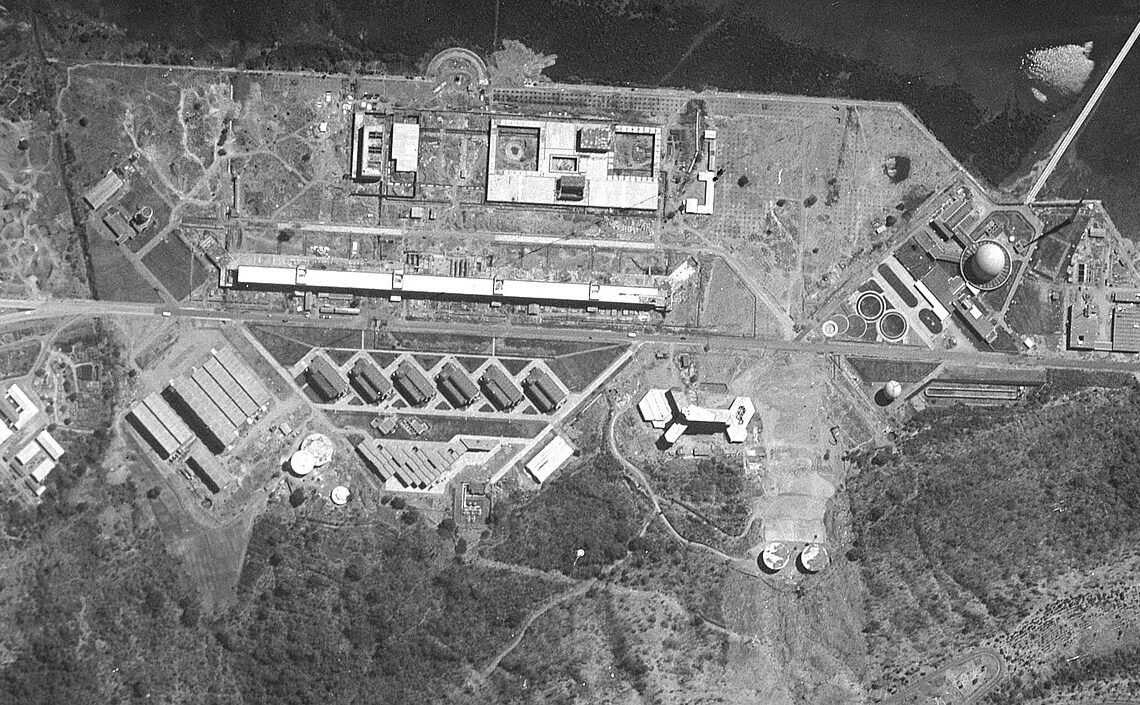
India’s nuclear odyssey began with Homi Jehangir Bhabha, “Father of Indian Nuclear Programme,” founding Tata Institute of Fundamental Research (1945) and Atomic Energy Commission (AEC, 1948, statutory 1954), envisioning self-reliance post-independence amid Partition’s energy voids. Bhabha’s 1954 DAE launch, APSARA reactor (1956, Asia’s first), CIRUS (1960, Canada-aided 40 MWt) fueled plutonium production; Vikram Sarabhai’s space synergies aided delivery vectors. 1962 Sino-Indian War exposed vulnerabilities—China’s uranium monopoly, US carrier USS Kitty Hawk aid—prompting PM Lal Bahadur Shastri’s 1964 post-China test resolve for “peaceful” capability; 1966 Tashkent Declaration post-Rann of Kutch/1965 Indo-Pak war reiterated.
Bhabha’s 1966 Air India crash fueled conspiracy theories (CIA/Mossad suspected); Indira Gandhi inherited momentum. 1967 PNE Committee under Ramanna explored mining blasts; 1971 Bangladesh victory, US Task Force 74 tilt (USS Enterprise), Soviet treaty (1971) emboldened. Pokhran selected 1972: remote, seismic camouflage via dry lakebed Army range; 61 Engineer Regiment dug 3.5m diameter shaft under Lt. Col. Subherwal from May 1973, defying initial reluctance till Gandhi’s directive. Secrecy paramount: scientists posed as Army officers, components trucked from Chandigarh (implosion lenses, TBRL), Pune (detonators), Trombay (core, 900km convoy).
Key Scientists and Technical Design
Raja Ramanna (BARC director 1972-78, AEC 1987-89) orchestrated, deeming implosion feasible by 1973 after hemispherical lens tests February 1974; Homi Nusserwanji Sethna (AEC 1972-76) oversaw plutonium reprocessing; P.K. Iyengar (core physics), R. Chidambaram (implosion math, later AEC/DRDO head) pivotal—Chidambaram escorted core. Device: 1.4m diameter plutonium sphere (140 kg), 56 symmetrical explosive lenses (Chandigarh TBRL), uronium tamper, beryllium reflector; Flower initiator sparked neutrons. Yield shortfall (8-10 kt vs. 15 kt design) from untamped core per Ramanna’s autobiography Years of Pilgrimage.
Pre-test: February 1974 lens firings succeeded; final meetings (Ramanna, Sethna, Nag Chaudhuri, Haksar, Dhar) February-May weighed geopolitics—Haksar/Dhar cautious, scientists insistent. Gandhi approved weeks prior; no rehearsals beyond subcritical tests.
Preparation and Execution Timeline
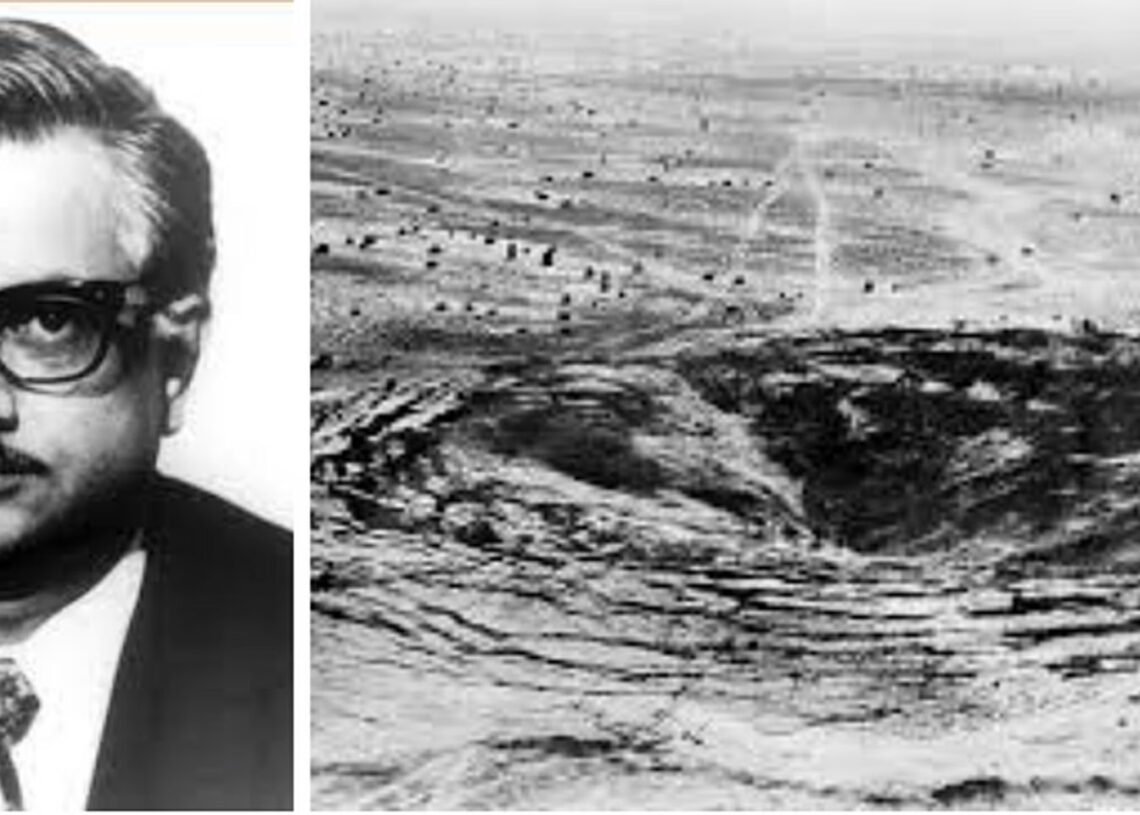
Shaft sinking: June 1973 start, completed March 1974—camouflaged as seismic survey. April-May: diagnostics emplaced (high-speed cameras, seismographs); core arrived May 16 convoy. May 17: Gandhi’s “go ahead”; team sheltered 30km bunker. May 18, 8:05 AM: Dastidar fired; 2.3 Richter tremor registered 400km Delhi; vapor plume seen 200km, no radiation leak (contained).
Post-detonation: Ramanna/Sethna flew unwashed to Delhi briefing Gandhi; Foreign Secretary T.N. Kaul announced PNE, yield 10-15 kt for “development.” Seismic data confirmed; Army sealed site.
International Reactions and Sanctions
Global shock: US intel (“Happy Krishna”) blindsided despite Rhyolite/CORA satellites; Nixon/Kissinger fumed at CIRUS misuse, despite 1963 safeguards lapse. Canada halted CIRUS/TAPS supplies, new reactors; US amended Symington Amendment, cut aid/fuel (Tarapur); NSG formed 1975 excluding India. Pakistan accelerated (1974 KANUPP, 1976 centrifuge theft); China aided covertly. IAEA scrutiny; India abstained NPT (1971), PTBT signatory.
Domestic: Gandhi hailed scientific triumph; opposition (Morarji Desai) criticized secrecy/cost (₹3-4 crore); Janata 1977 white paper affirmed weapons intent, but moratorium till Pokhran-II (1998).
Domestic Impact and Scientific Legacy
Boosted morale post-1971; BARC/DRDO fused (Nag Chaudhuri); CIRUS ran till 2010 (140 kg Pu/year). Thorium program advanced (Bhabha’s vision: vast reserves); Agni/Prithvi roots. Critics: opportunity cost amid droughts, but deterrence vs. neighbors evident—Pakistan 1998 tests response to Pokhran-II.
Pokhran-I shattered non-proliferation myths; MEA’s PNE veneer masked arsenal path, yielding 160+ warheads today (Fissile Material estimates). Gandhi’s resolve echoed Bhabha: “No power on earth can stop atomic energy.”
Geopolitical Ramifications
Elevated India: Soviet ties deepened (Kudankulam); 1974 oil crisis mitigated via nuclear prestige. Pakistan’s “Islamic bomb” (A.Q. Khan) hastened; triangular deterrence emerged. NSG/PSI constrained exports; India joined MTCR (2016), WA (2018) post-2008 deal. Smiling Buddha’s shadow: credible minimum deterrence doctrine, No First Use (1998, reiterated 2019).
51 years on (2025), it symbolizes atmanirbharta: INS Arihant SLBMs, Agni-V ICBMs trace lineage. Ramanna’s reflection: “We crossed Rubicon,” entering nuclear club sans tests till 1998.
Legacy and Modern Relevance
Pokhran-I birthed strategic triad: land (Canisterised Agni), air (Mirage 2000/Rafale), sea (K-15 Sagarika). Thorium MSRs, Prototype Fast Breeder Reactor (PFBR) fulfill Bhabha. Amid LAC tensions, hypersonic BrahMos-II, MIRV Agni-P affirm. Globally: NSG waiver enabled; QUAD nuclear dialogue. Buddha’s smile endures as sovereignty emblem.