Introduction
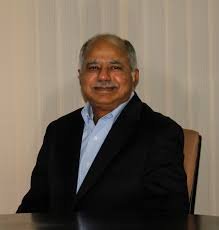
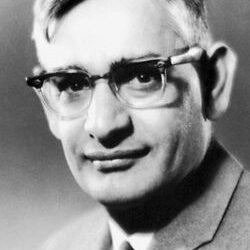
The Green Revolution in India, initiated between 1965-68 under Prime Minister Lal Bahadur Shastri, marked a transformative shift in agriculture, converting traditional subsistence farming into a modern, industrialized system through high-yielding variety (HYV) seeds, synthetic fertilizers, pesticides, expanded irrigation, and mechanization. Spearheaded by geneticist M.S. Swaminathan—hailed as the “Father of the Green Revolution in India”—in collaboration with Norman Borlaug, the global pioneer who earned the 1970 Nobel Peace Prize for averting starvation for over 1 billion people, this initiative addressed post-independence food crises where 75% of the population depended on low-yield, monsoon-reliant crops. Focusing initially on wheat in Punjab, Haryana, and western Uttar Pradesh, it tripled wheat production from 11.4 million tonnes (1960-61) to 36.3 million tonnes (1990) and doubled overall cereals, propelling India from a food-deficient nation reliant on PL-480 imports to self-sufficiency by 1971 and a top global producer. Funded by the US government, Ford and Rockefeller Foundations, and Indian institutions like the Indian Agricultural Research Institute (IARI), it unfolded in phases, prioritizing irrigated heartlands and achieving grain output surges from 72 million tonnes (1965-66) to 131 million (1978).

Historical Context and Crisis
India’s agricultural woes traced back to colonial exploitation, culminating in the 1943 Bengal Famine that claimed 3-4 million lives amid wartime rice hoarding and export policies. Post-1947 independence, the economy inherited stagnant productivity: traditional seeds yielded 12 quintals per hectare for wheat, vulnerable to rust diseases and droughts, while population growth outpaced food supply—rising from 361 million (1951) to 548 million (1971). Early Five-Year Plans (1951-66) emphasized land expansion via community projects and irrigation (from 17 million hectares in 1951 to 38 million by 1971 through dams like Bhakra Nangal), but neglected technological upgrades amid 1965-66 droughts that halved harvests and spiked imports to 10 million tonnes.
Borlaug’s Mexican breakthrough—semidwarf, fertilizer-responsive wheat varieties (Lerma Rojo, Norin 10)—inspired action; in 1961, he visited India at Swaminathan’s invitation, overcoming bureaucratic resistance from grain monopolies. By 1966, India imported 18,000 tonnes of Mexican seeds, tested at IARI yielding 14 quintals/hectare—over 3x traditional strains—prompting nationwide distribution via Punjab Agricultural University. Political backing from Agriculture Minister C. Subramaniam (“Political Father”) and Shastri’s urgency post-droughts launched the High-Yielding Varieties Programme (HYVP) in 1966-67, targeting Punjab as the “breadbasket.”
Objectives and Core Elements
Short-term goals centered on averting hunger crises during the Second Five-Year Plan by boosting immediate yields; long-term aims encompassed agricultural modernization, rural electrification/infrastructure development, industrial raw material supply (e.g., agro-based factories), employment generation for farm and factory workers, and scientific advancements in resilient crops tolerant to extremes.
Core components revolutionized practices:
HYV Seeds: ICAR/IARI developed strains like Kalyan Sona, Sonalika (wheat), IR-8, Jaya, Ratna (rice from IRRI collaboration), and hybrids for jowar, bajra, maize—rust-resistant, short-stemmed for higher fertilizer uptake without lodging.
Irrigation and Mechanization: Tube wells proliferated (Punjab: 80% irrigated vs. national 40%), enabling multiple cropping (kharif-rabi); tractors rose from 8,000 (1960) to 240,000 (1980), alongside harvesters, pumps, and sprinklers/drip systems.
Chemical Inputs: Fertilizer use jumped 10-fold (0.06 to 0.6 tonnes/hectare); pesticides combated pests, supported by minimum support prices (MSP) and Food Corporation of India (FCI) procurement.
Institutional Support: Credit via cooperatives, extension services, and demonstrations on 150 one-hectare plots convinced farmers of 40-50% yield gains.
Non-food crops (cotton, jute, sugarcane) were excluded, making it largely a “Wheat Revolution.”
Implementation Phases
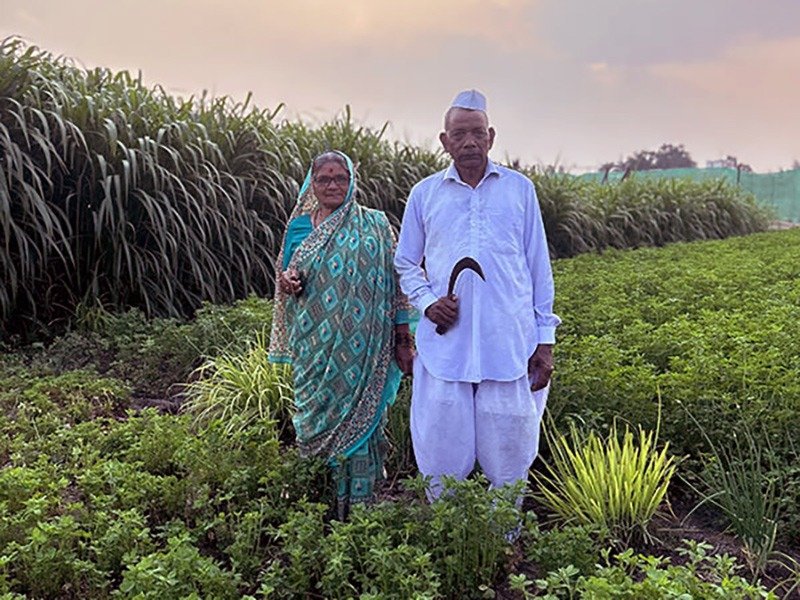
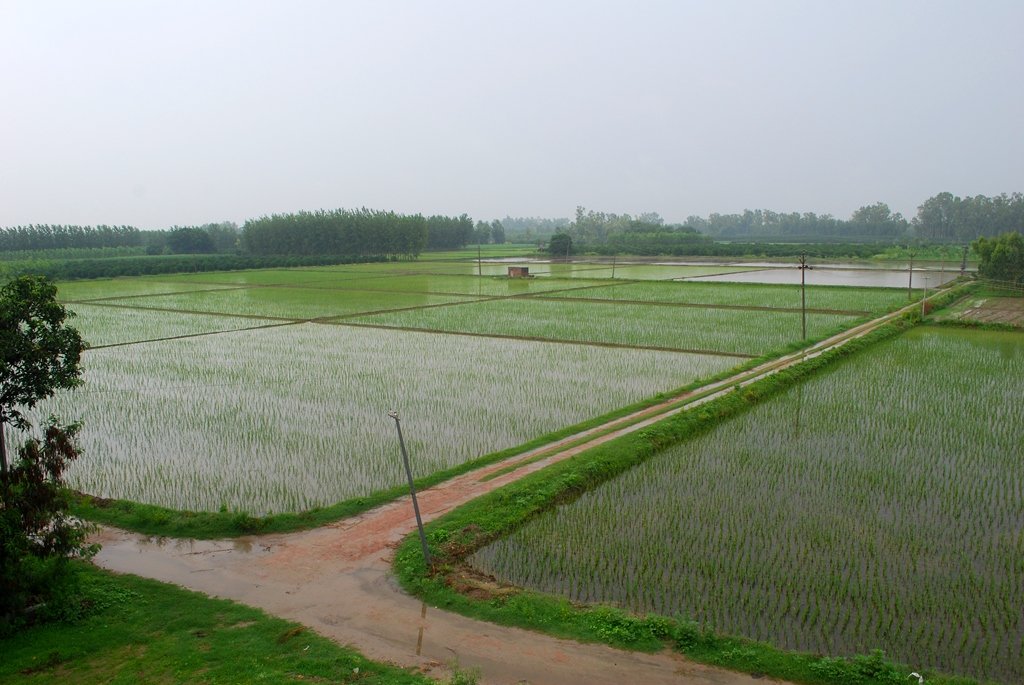
Phase 1 (1966-75): Wheat-centric in affluent, irrigated Punjab/Haryana/western UP/Tamil Nadu/Andhra Pradesh; HYVP covered 40% cropped area (2.4 million hectares in 1968 to 15 million by 1970-71), doubling wheat yields and output to 20 million tonnes (1970). Punjab’s success—70% of national wheat surge—stemmed from fertile alluvial soils, canal networks, and large holdings amenable to capitalism.
Phase 2 (1975-85): Expanded to rice/millets nationwide under Indira Gandhi; total foodgrains reached 169 million tonnes (1990), with rice following wheat’s trajectory via IRRI hybrids. Krishonnati Yojana (2005) later integrated 11 schemes for holistic growth.
Positive Impacts
Yield explosions transformed India: wheat tripled (1967-2004), rice doubled; per capita availability climbed from 395g/day (1951) to 510g (1991), ending PL-480 dependency by 1976 with exports commencing. Large farmers (>10 acres) reaped surplus incomes, reinvesting in inputs and promoting capitalist farming with mechanized operations.
Industrial ripple effects boomed: demand for tractors, combines, diesel engines, electric motors, and chemical plants spurred factories; agro-based industries (sugar, textiles) thrived on raw materials. Rural employment surged via multiple cropping and hydroelectric projects, absorbing labor into factories; Punjab-Haryana emerged as economic powerhouses, contributing 12-15% of national GDP despite 2% land share.
Negative Impacts and Challenges
Uneven benefits exacerbated disparities: inter-regional (Punjab vs. Bihar/Orissa/eastern states, arid west/south bypassed) and intra-regional (large vs. small farmers); 60% cropped area untouched, widening rural inequality. HYVs limited to five crops neglected pulses/oilseeds/coarse grains, perpetuating shortages.
Environmental toll mounted: chemical overuse depleted soil nutrients, raised pH (alkalinity/salinity), eradicated microbes, and polluted groundwater; Punjab’s overexploitation caused water tables to drop 1m/year. Mechanization displaced laborers, fueling unemployment; untrained pesticide spraying harmed health (cancers, defects) and crops. Monoculture bred vulnerability to pests/climate.
Legacy and Reforms
The Revolution secured food sovereignty but highlighted sustainability gaps, inspiring White (milk), Blue (water), and Evergreen (organic) Revolutions. Reforms like Pradhan Mantri Krishi Sinchayee Yojana (PMKSY), soil health cards, and crop diversification address inequities, targeting small farmers and eastern regions. Swaminathan advocated “Evergreen Revolution” for eco-balanced growth amid climate threats. At nearly 60 years, it underscores blending technology with equity for resilient agriculture.