Introduction
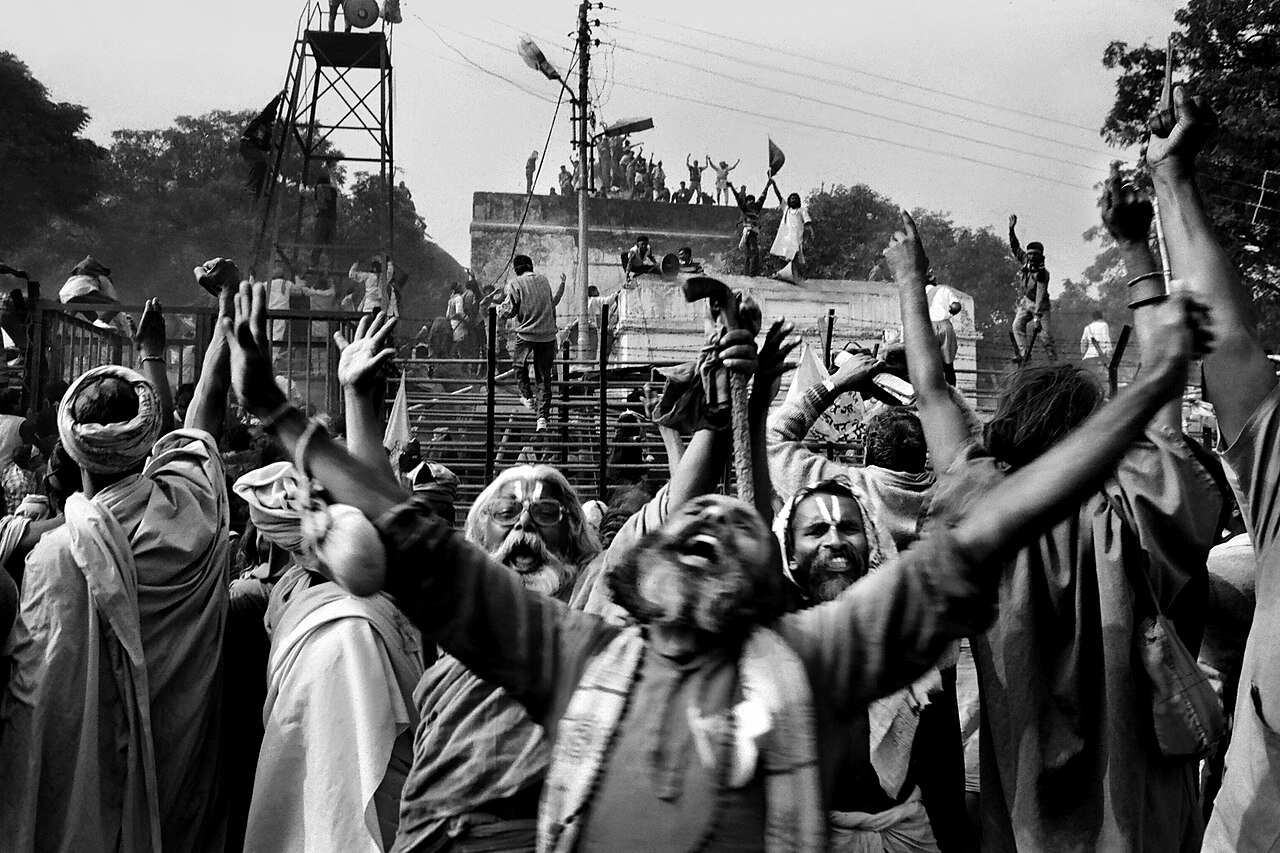
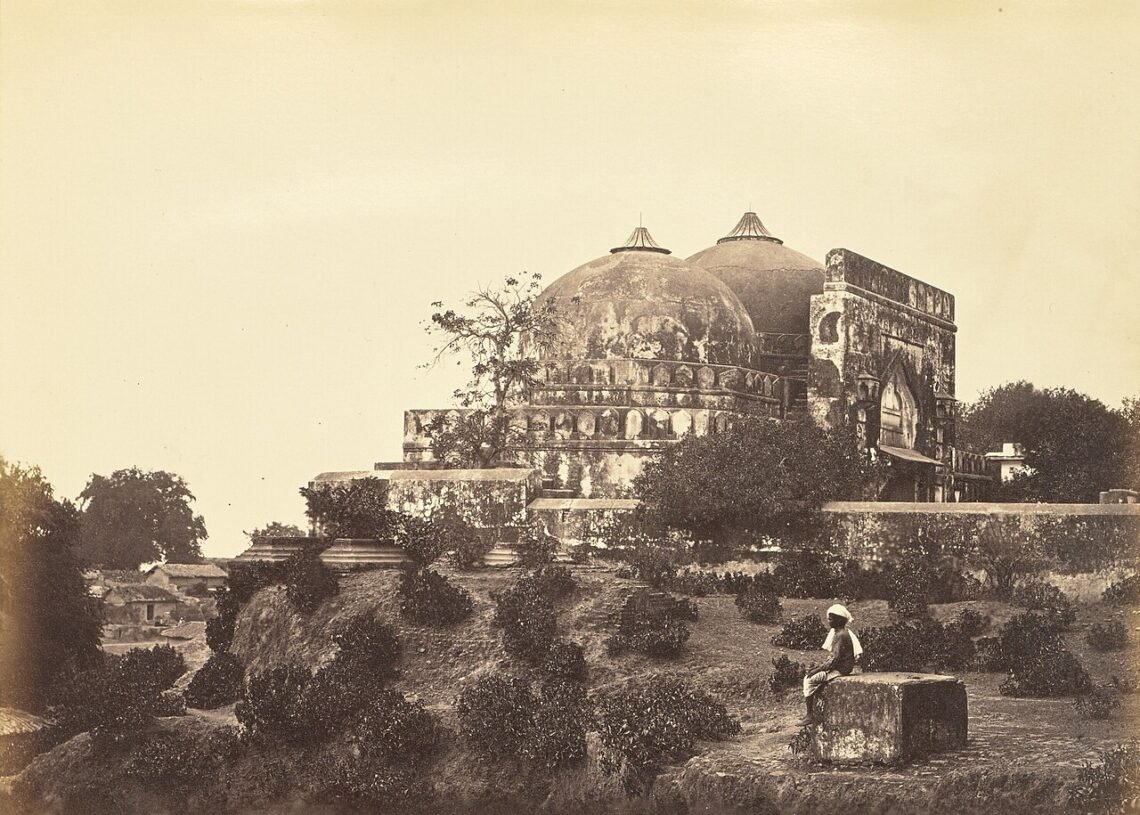
The demolition of the Babri Masjid on December 6, 1992, is a landmark event in modern Indian history that had widespread and lasting impacts on the country’s social fabric, politics, and legal landscape. Located in Ayodhya, Uttar Pradesh, the Babri Masjid—the mosque constructed in the 16th century—stood on land claimed by many Hindus as the birthplace of Lord Ram, a revered deity in Hinduism. This dispute over the site evolved from historical claims and communal tensions into a highly politicized movement, culminating in the demolition of the mosque by a large crowd of kar sevaks (volunteer activists) affiliated with Hindu nationalist organizations like the Vishwa Hindu Parishad (VHP) and supported by the Bharatiya Janata Party (BJP).
Historical Background of the Dispute
The origins of the dispute trace back to the early 16th century. According to some Hindu accounts, the Babri Masjid was built over the ruins of a pre-existing Hindu temple marking the birthplace of Lord Ram. This belief, which is disputed by others, forms the basis of the contentious claim. British colonial records from the 19th century note Hindu worship and festivals at the site and mention clashes between Hindus and Muslims over access and control. During the British era, 1859 court decisions partitioned the site, allocating separate spaces for Hindu and Muslim worship, but the underlying dispute remained unresolved.
After independence in 1947, the site continued to be a flashpoint. In December 1949, idols of Lord Ram were placed inside the mosque, leading to a court order locking the gates to prevent further access. Over the coming decades, lawsuits were filed by various parties: the Sunni Waqf Board sought to assert Muslim ownership, while Hindu groups claimed the land for a temple. In 1986, the locks were removed from the mosque by a local judge, allowing Hindu worshippers access once more, further intensifying the conflict.
Rise of the Ram Janmabhoomi Movement
In the late 1980s, Hindu nationalist groups like the Vishwa Hindu Parishad (VHP) intensified efforts to build a temple at the disputed site, seeking to galvanize Hindu sentiment. The BJP, then a rising political force, aligned itself with this cause. A notable event was the launch of the Rath Yatra by BJP leader Lal Krishna Advani in 1990, a nationwide chariot procession aimed at rallying support for the Ram temple movement. Advani’s journey was halted and he was arrested in Bihar, significantly raising the profile of the issue.
Encouraged by growing mass mobilization, kar sevaks began organizing around Ayodhya, often challenging authority by attempting to breach security cordons around the mosque. The Uttar Pradesh government, under the leadership of various chief ministers like Mulayam Singh Yadav and later Kalyan Singh, took differing approaches, ranging from attempts to enforce order with security crackdowns to alleged complicity in leniency towards activists.
Events Leading to the Demolition
The tension escalated significantly in the months before December 1992. In 1991, the Uttar Pradesh government acquired additional land around the mosque, hoping to ease access for Hindu devotees, which some saw as a step towards temple construction. By mid-1992, the VHP announced a large-scale kar seva (volunteer service) campaign, framed as a peaceful religious event but widely understood as a pretext for pressing the temple construction agenda.
Despite Supreme Court orders prohibiting any alteration to the site, security preparations were inadequate. Law enforcement forces were numerically insufficient and poorly coordinated, while local authorities were criticized for negligence. Intelligence warnings went unheeded, and paramilitary forces were stationed at a distance, unable to effectively control the swelling crowds.
The Demolition on December 6, 1992
On the morning of December 6th, approximately 150,000 kar sevaks gathered at the site. Speeches by prominent BJP and VHP leaders, including Lal Krishna Advani, Murli Manohar Joshi, and Uma Bharti, united the crowd in fervent calls for “liberation” of the site. Although these leaders publicly urged restraint, the mood among sections of the crowd was increasingly militant.
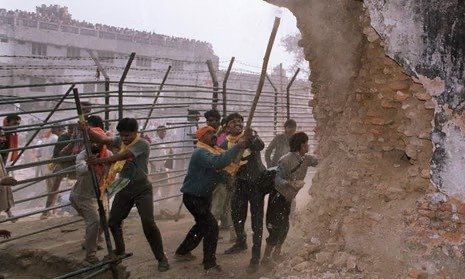
Within hours, the crowd overwhelmed police forces and breached protective barriers. Using rudimentary tools like hammers and scaffolding, the mob demolished the mosque’s three prominent domes and much of its structure. The destruction was deliberate and systematic, occurring despite clear warnings and court orders.
The state government of Uttar Pradesh resigned within hours, and central rule was promptly imposed in a bid to restore order. The demolition was immediately followed by the erection of makeshift shrines dedicated to Lord Ram at the site, signaling the symbolic victory sought by Hindu nationalist groups.
Immediate Aftermath: Riots and Violence
The demolition unleashed widespread communal violence across India. Riots erupted in many cities, particularly in Mumbai, with thousands of casualties, primarily from Muslim communities. Significant damage to property, places of worship, and public order ensued for months.
At the international level, retaliatory attacks on Hindu temples and communities took place in Pakistan and Bangladesh, highlighting the regional ramifications of the incident.
Investigations and Legal Proceedings
In response to the demolition and ensuing violence, the Indian government established the Liberhan Commission in December 1992, tasked with investigating the events surrounding the mosque’s destruction. The commission’s mandate included examining the role of political leaders, religious organizations, and law enforcement in the lead-up to and execution of the demolition.
The Liberhan Commission took nearly 17 years to submit its report in 2009, which identified numerous leaders, including key BJP and VHP figures, as responsible for conspiring and facilitating the demolition. The report highlighted systemic failures of the state government, the center, and security agencies.
In parallel, criminal cases were pursued against individuals accused of inciting the demolition and violence. The Central Bureau of Investigation (CBI) filed charges against several prominent political leaders, including Advani and Joshi, for conspiracy and incitement. After protracted court battles, many accused were acquitted citing insufficient evidence, though controversies around the handling of trials persist.
Archaeological Evidence and the Courts
An Archaeological Survey of India (ASI) excavation in 2003 sought to ascertain the existence of a temple structure beneath the mosque site. The ASI report found pillar bases and terracotta artifacts suggestive of a pre-existing non-Islamic structure, though the interpretation remains contested among historians and legal experts.
Multiple court cases concerning ownership and rights over the land culminated in the Allahabad High Court’s 2010 judgment, which divided the disputed land into three parts: one-third to the Sunni Waqf Board, one-third to the Nirmohi Akhara (a Hindu sect), and one-third to the deity Ram Lalla (represented by Hindu parties). All parties appealed to the Supreme Court.
Supreme Court Verdict and Ram Mandir Construction
On November 9, 2019, the Supreme Court delivered its much-anticipated verdict on the Ayodhya dispute. The court awarded the entire disputed land to a government-formed trust for the construction of a Ram temple, citing continuous Hindu worship evidence and adverse possession principles. The court also directed that alternate land be provided to the Sunni Waqf Board for mosque construction.
This verdict was seen by many as a closure to a decades-long contentious dispute, while others voiced concerns about the precedent it set. Soon after, the trust began construction of the Ram temple, with its foundation stone laid by Prime Minister Narendra Modi on August 5, 2020. The temple’s inauguration ceremony took place in January 2024 amid nationwide attention.
Political and Social Implications
The events surrounding the Babri Masjid dispute and demolition have had profound political consequences. The demolition energized the BJP’s rise to power, especially in Uttar Pradesh and at the center, infusing electoral success with a religious nationalist agenda. The polarization of Indian society around communal identities was sharpened, influencing politics and social relations well beyond Ayodhya.
Conversely, the demolition and subsequent riots stirred extensive debates about secularism, minority rights, and the rule of law in India. The failure of political and administrative authorities to prevent the mosque’s destruction exposed vulnerabilities in governance and justice.
Conclusion
The demolition of the Babri Masjid remains one of the most contentious episodes in independent India’s history. Born out of historical claims and religious aspirations, its destruction marked a turning point that reverberated across the Indian social and political spectrum. The subsequent legal resolutions and construction of the Ram temple have provided a form of closure, but the event’s legacy continues to invoke discussions about religious harmony, justice, and national identity.
This episode underscores the complexity of balancing historical narratives, faith disputes, and democratic governance in a plural society, emphasizing the enduring need for dialogue, tolerance, and adherence to constitutional principles.