Introduction
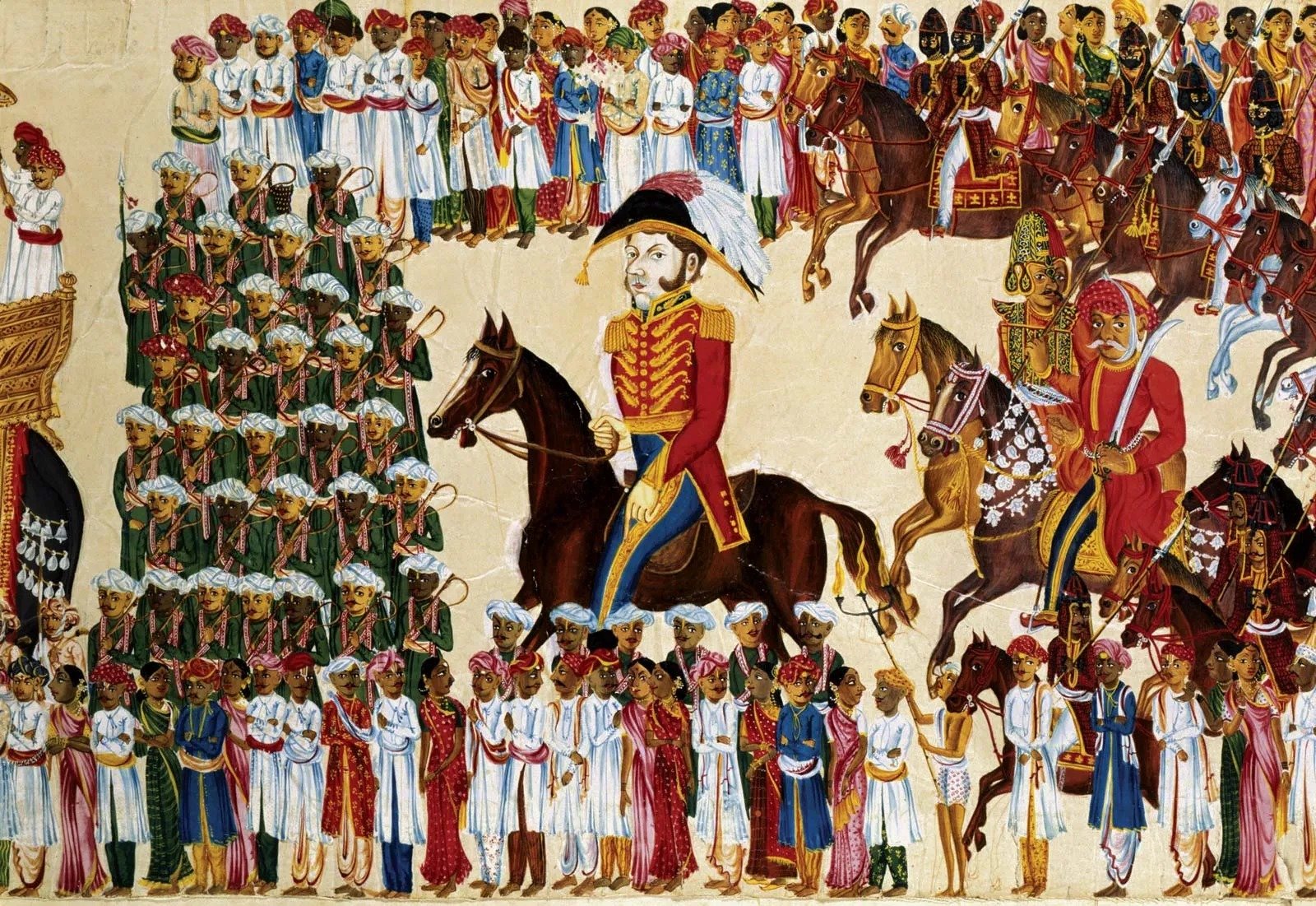
The Battle of Buxar, fought on October 22, 1764, stands as a defining episode in Indian history, marking the decisive end of significant Indian resistance to the British East India Company’s rise in northern India. This watershed battle saw the Company’s forces under Major Hector Munro face off against a formidable alliance formed by Mir Qasim (the ousted Nawab of Bengal), Shuja-ud-Daula (the Nawab of Awadh), and Shah Alam II (the Mughal Emperor). The resounding British victory at Buxar fundamentally transformed the political, economic, and administrative fabric of the Indian subcontinent, solidifying British hegemony in Bengal, Bihar, and Orissa and paving the way for British colonial rule.
Background and Causes
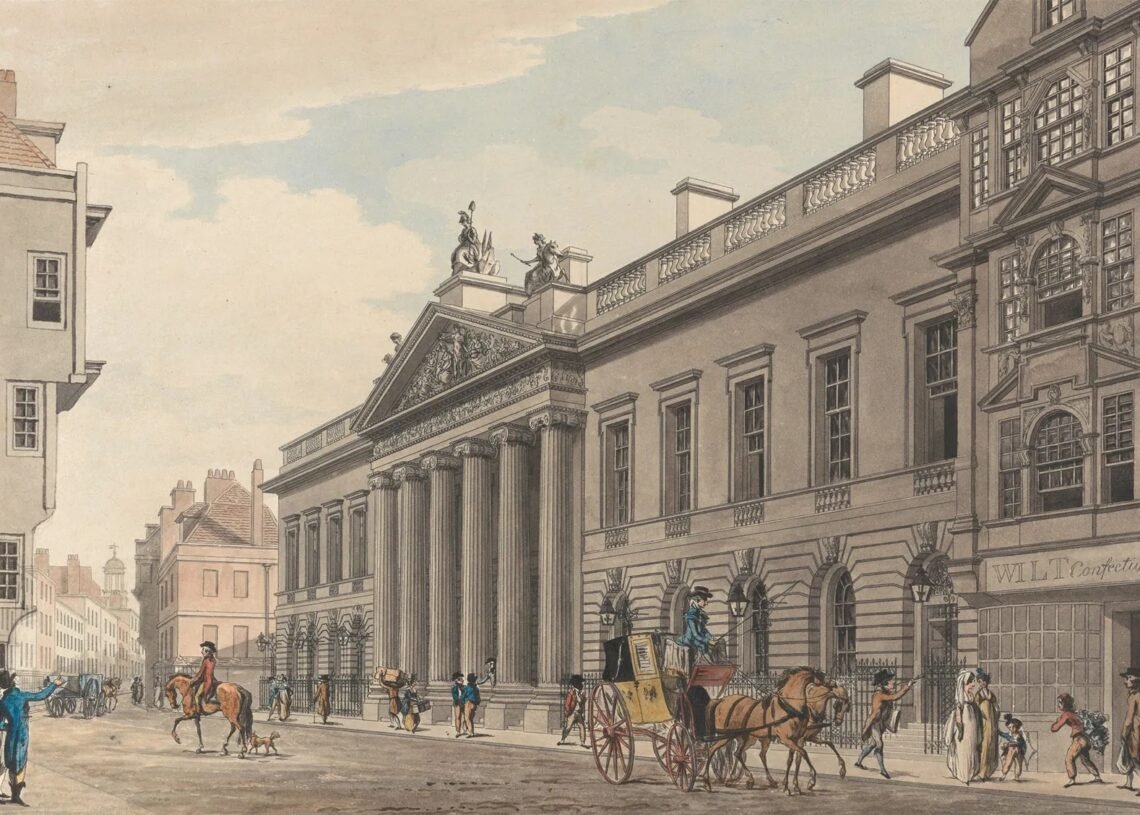
In the years following the Battle of Plassey (1757), British dominance in Bengal intensified through their alliance with Mir Jafar, who served as their puppet Nawab. However, the huge financial obligations imposed on Mir Jafar by his British patrons soon depleted Bengal’s treasury, leading to mounting frustration and political instability. As British demands increased and Mir Jafar’s capability to pay waned, he was deposed in favor of his son-in-law, Mir Qasim, who appeared more competent and willing to negotiate with the British.
Upon securing the Nawabship, Mir Qasim quickly settled all outstanding dues to the Company and implemented a series of administrative, military, and financial reforms aimed at modernizing Bengal and curbing British overreach. He moved the capital from Murshidabad to Munger for strategic autonomy, reorganized the army with modern training and weaponry, and enforced strict discipline. Financially, he sought to revive Bengal’s depleted treasury by eliminating unnecessary expenditures and regulating revenue.
Key to mounting hostilities was the discriminatory trade policy that favored British merchants who used the dastak (a Mughal-issued trade permit) to conduct internal trade tax-free, whereas Indian merchants faced heavy duties. To counter this, Mir Qasim abolished all internal duties, creating a level playing field, but this move directly threatened the Company’s privileged position and triggered conflict.
Course of the Battle
Following a series of skirmishes and the Company’s attack on Mir Qasim in 1763, the Nawab sought refuge and support from Shuja-ud-Daula and Shah Alam II in Awadh. These three leaders formed a robust alliance to challenge British dominance. The combined forces, numbering between 40,000 and 60,000, engaged the well-trained British army of just over 7,000 men under Munro at Buxar on the Ganges.
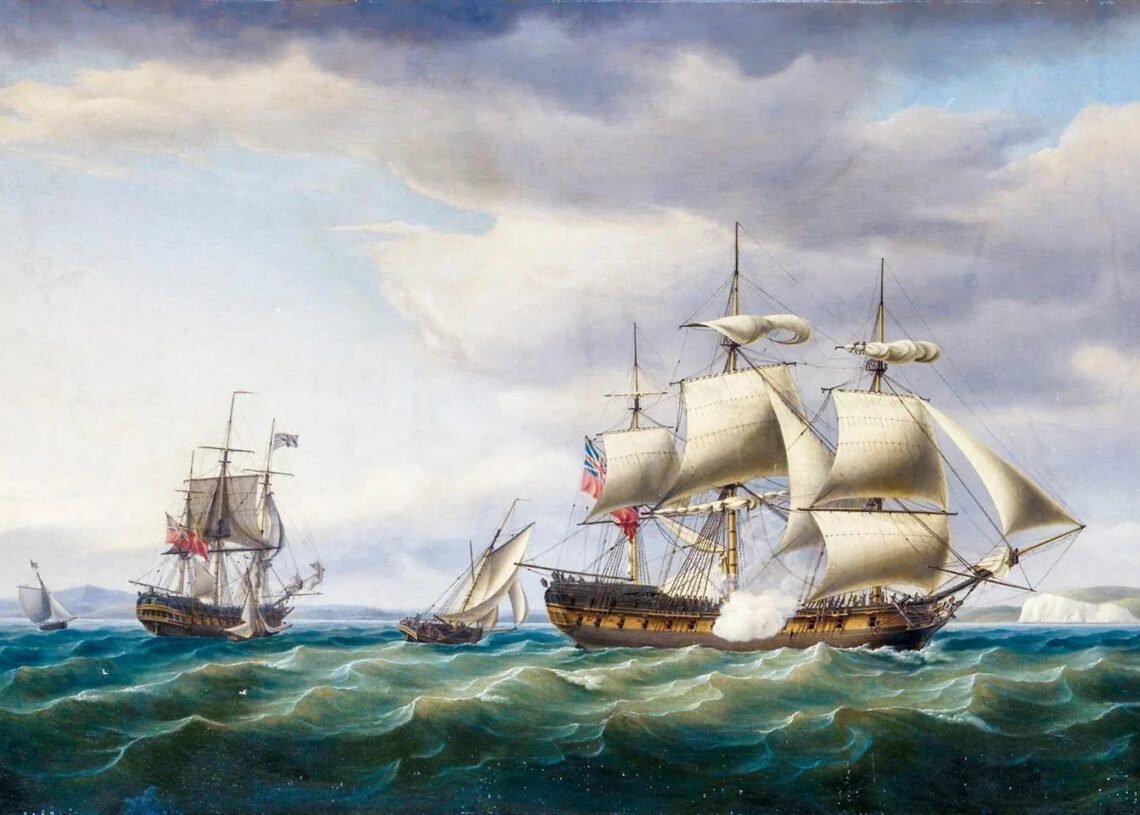
Despite being outnumbered, the British East India Company leveraged superior discipline, artillery, and battlefield tactics. A lack of coordination and mutual distrust among the allies weakened their position. The British routed the coalition, forcing Mir Qasim into flight, compelling Shuja-ud-Daula to retreat west, and leading Shah Alam II to surrender to the Company.
Results and Treaty of Allahabad
The outcome of the Battle of Buxar was immediate and far-reaching. The Mughal Emperor and Nawab of Awadh were compelled to negotiate terms dictated by the British. In August 1765, Robert Clive concluded the historic Treaty of Allahabad:
Shah Alam II was recognized as the Mughal Emperor but granted the Diwani rights—authority to collect revenue—in Bengal, Bihar, and Orissa directly to the East India Company. In exchange, he received an annual pension, and the British committed to supporting his status symbolically, though real power rested with the Company.
Shuja-ud-Daula was restored to Awadh after paying a massive war indemnity (Rs 50 lakhs), ceding Allahabad and Kora to the Emperor, and agreeing to an offensive and defensive alliance with the British.
Mir Jafar was reinstated as the puppet Nawab of Bengal by the Company, reinforcing their indirect rule.
Consequences and Historical Significance
The victory at Buxar shifted the balance of power irreversibly. Some of the most critical consequences included:
The East India Company could now collect land revenues as sovereign rulers of Bengal, Bihar, and Orissa, fundamentally transforming their fiscal and administrative base and consolidating their role as the de facto power in India.
The Mughal Emperor was reduced to nominal status, now financially dependent on the Company, ending Mughal assertion as effective rulers.
The power of Indian regional rulers like the Nawabs of Bengal and Awadh was decisively crushed, their autonomy curtailed by British “kingmaker” politics.
The Treaty of Allahabad established the basic framework for British administrative dominance and the extraction of Indian wealth that would continue through the colonial era.
The Battle of Buxar thus stands not merely as a military event but as a turning point—the beginning of direct Company rule, dissolving the last vestiges of Mughal sovereignty and setting in motion the policies that would define colonial India’s economic landscape.
Conclusion
The Battle of Buxar sealed the fate of pre-colonial northern India by replacing indigenous rulers with the British East India Company as the real arbiters of power and revenue. The defeat of the formidable alliance of Mir Qasim, Shuja-ud-Daula, and Shah Alam II not only extended British power beyond Bengal but also set a precedent for future territorial expansion. Through military skill and effective diplomacy centered around the Treaty of Allahabad, the Company laid the foundational framework for the British Raj that would dominate Indian history for the next century and a half.