Introduction
The annexation of Punjab in 1849 was a significant milestone in the expansion of British control over India, marking the end of independent Sikh rule in the subcontinent. Punjab, under the powerful and charismatic Maharaja Ranjit Singh, had emerged as a dominant military and political force in northern India during the early 19th century. However, following Ranjit Singh’s death and ensuing internal instability, the British East India Company seized the opportunity to annex the region after the Second Anglo-Sikh War, thereby consolidating their dominance over northern India and securing strategic control over the northwestern frontier.
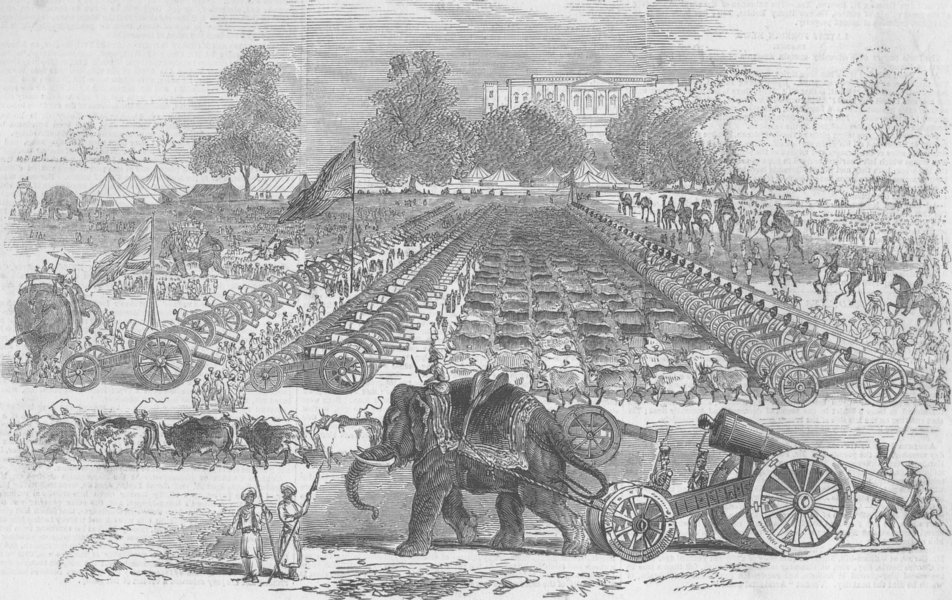
Political and Strategic Background
In the early 19th century, Punjab was ruled by Maharaja Ranjit Singh, who established a strong Sikh Empire with Lahore as its capital. Under his leadership, the Sikh military was modernized along European lines, and the kingdom expanded its boundaries at the expense of neighboring states. His death in 1839 created a power vacuum, leading to factions, court intrigues, and weak rulers, which destabilized the Sikh administration and military.
British concerns about the security and political stability of Punjab grew due to its strategic location bordering Afghanistan and as a buffer against Russian expansion. The British had earlier maintained friendly relations with the Sikh Empire, but rising tensions and border disputes led to two Anglo-Sikh wars in 1845-46 and 1848-49. These wars were fought for control over Punjab, with the British aiming to annex the rich and strategically vital region permanently.
First Anglo-Sikh War (1845-1846)
The first conflict began amidst internal rebellion within Punjab, with British forces under Governor-General Sir Hugh Gough and Colonel Henry Hardinge advancing into Sikh territory. Despite brave resistance from Sikh forces, the British emerged victorious in key battles such as Mudki, Ferozeshah, and Sobraon. The war culminated in the Treaty of Lahore, which forced the Sikhs to cede valuable territory and accept British residents in their court, significantly weakening Punjab’s autonomy.
Second Anglo-Sikh War and Annexation (1848-1849)
The fragile peace quickly unraveled, leading to the Second Anglo-Sikh War. Mutinies by Sikh troops, combined with internal political turmoil, escalated into full-scale war. British forces decisively defeated the Sikhs in battles at Ramnagar, Chilianwala, and Gujrat. The capture of Lahore by the British marked the end of Sikh sovereignty. The region was formally annexed in 1849, with the young Maharaja Duleep Singh deposed and exiled, ending the Sikh Empire and integrating Punjab into British India.
Administrative and Military Reorganization
Post-annexation, the British reorganized Punjab with a new administration headed by a British governor supported by a cadre of civil servants and military officers. The British used the region as a key military recruitment area—Punjabi soldiers became central to the colonial Indian Army. Infrastructure development, including railways and canals, was pursued to integrate Punjab economically and strategically with the rest of British India.
Strategic Importance and Aftermath
The annexation secured the northwestern frontier for the British, providing a buffer against Afghan and Russian ambitions in Central Asia. Punjab’s fertile lands contributed substantially to revenue generation. However, British policies also disrupted traditional Sikh institutions and culture, sowing seeds of future unrest.
Politically, the move sent a clear signal of British supremacy and furthered the course of colonial expansion in India. The fall of Punjab is seen as pivotal, marking the British East India Company’s effective control over nearly all major Indian territories by the mid-19th century.
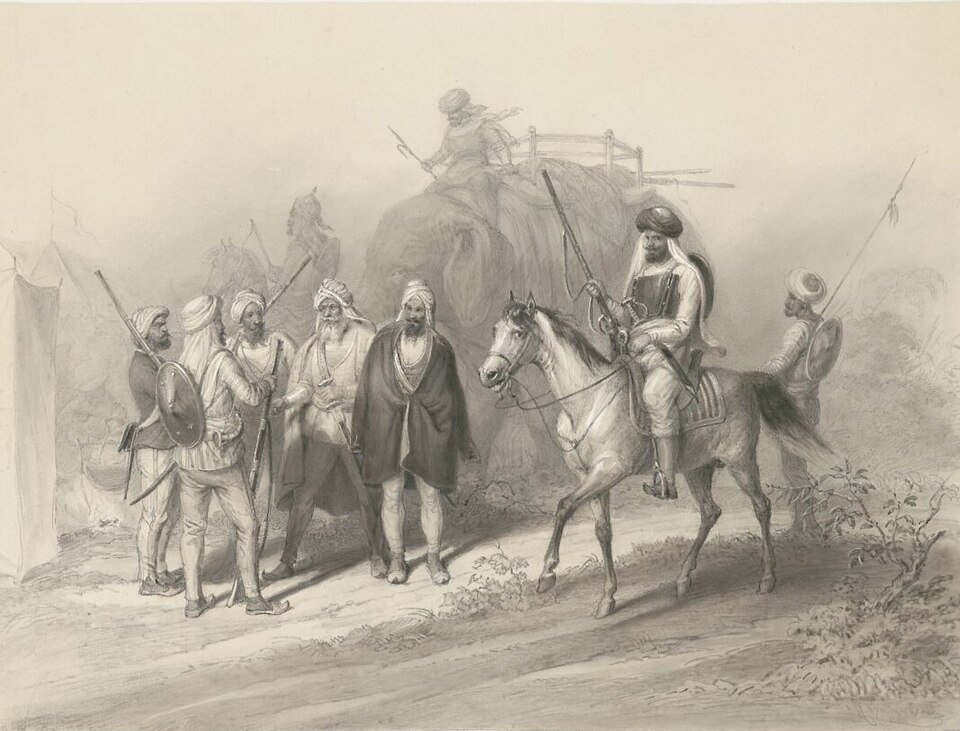
Conclusion
The annexation of Punjab was a critical chapter in the British conquest of India that combined military might, strategic diplomacy, and exploitation of internal divisions. It ended the legacy of the Sikh Empire, secured the empire’s northwestern frontiers, and became a cornerstone of British imperial strength in South Asia. The events surrounding Punjab’s annexation underline the processes of colonial expansion and set the stage for India’s eventual consolidation under British rule.